





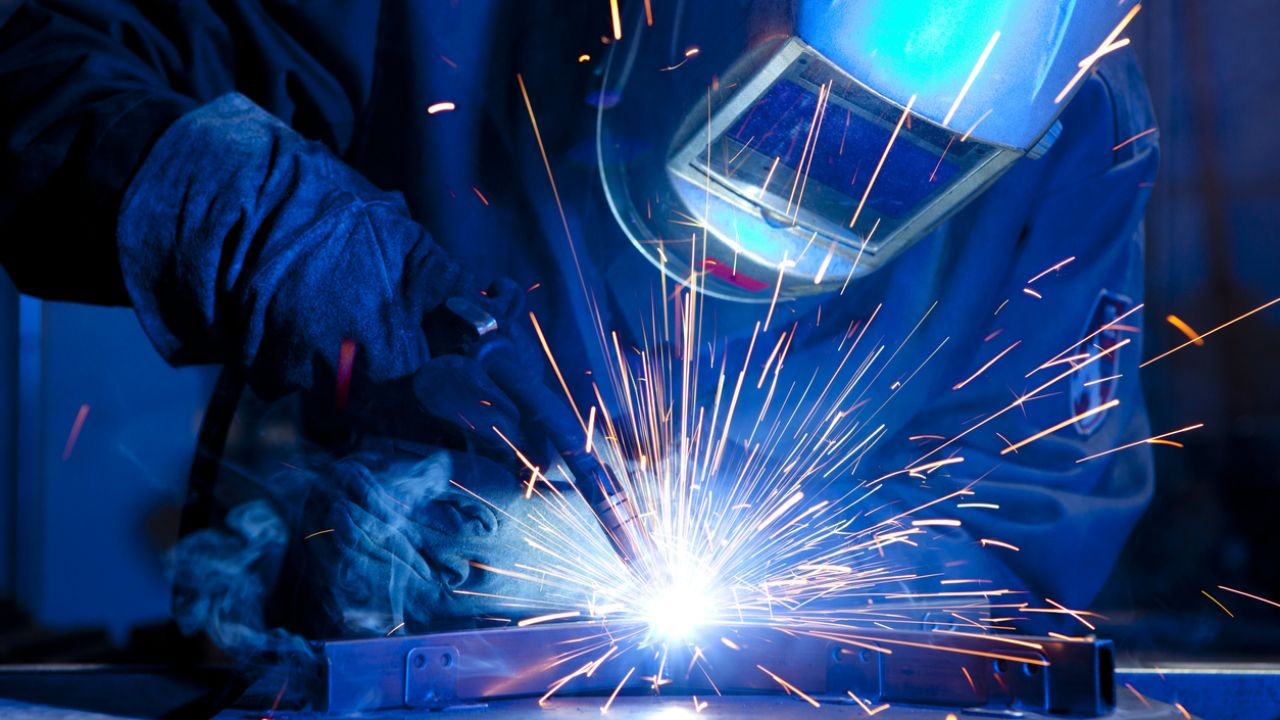
In the vast, rugged expanses of Australia's Outback, innovation often arises from necessity. For one enterprising teen, this innovation took the form of a highly lucrative side hustle: welding custom station signs. This venture isn't just a testament to youthful ingenuity but a striking reflection of broader industry trends. As Australia's mining and resources sectors grapple with skills shortages and technological evolution, examining how a teenager turned a simple skill into a thriving business reveals crucial insights for strategists in the industry.
🔨 The Rise of the Young Entrepreneur
Teenagers in rural Australia often grow up immersed in hands-on skills, thanks to the region's agricultural and mining heritage. However, turning these skills into a business is another story altogether. Here's how this young Outback resident did it:
- Identifying a Niche: With the Outback's numerous cattle stations and rural properties, there was a clear demand for durable, visually appealing signs. This teen identified a gap in the market for personalized, high-quality signage.
- Leveraging Local Materials: By sourcing materials locally, the business not only reduced costs but also supported the local economy—a win-win scenario that resonates with the community-focused values prevalent in rural Australia.
- Adapting Traditional Skills: Welding is a staple skill in many rural areas. By applying this skill creatively, the teen demonstrated how traditional trades can be innovatively adapted to create niche products.
🚀 How It Works: The Business Model
While the welding business might seem straightforward, the strategic approach taken by this young entrepreneur reveals several business principles applicable to the broader resources sector:
- Customization as a Competitive Edge: Offering bespoke designs allowed for a premium pricing strategy. Customers were willing to pay more for signs that reflected their personal or business identity.
- Direct-to-Consumer Approach: By marketing directly to property owners through social media and local networks, the business bypassed the need for middlemen, maintaining higher profit margins.
- Scalable Operations: While starting small, the business model is scalable. By hiring additional welders or investing in automated welding technology, there is potential for expansion without compromising on quality.
📉 Challenges and Regulatory Insights
Despite its success, the business faced challenges that mirror broader issues in Australia's resource sector:
- Regulatory Hurdles: Like many small businesses, navigating local government regulations was a significant hurdle. The Australian Competition & Consumer Commission (ACCC) provides guidelines that, if not followed, could result in fines or business closure.
- Supply Chain Vulnerabilities: Dependence on local suppliers can be a double-edged sword. While it supports the local economy, any disruptions in supply can directly impact production timelines and customer satisfaction.
- Skills Shortage: The business's growth is limited by the availability of skilled labor, a challenge echoed across Australia's mining and resources industries.
📊 Data-Backed Insights: Industry Context
According to the Australian Bureau of Statistics (ABS), the demand for skilled tradespeople in Australia's resources sector has been steadily increasing, with a 12% growth in job vacancies in 2023 alone. This underlines the importance of developing local talent and innovative business models to fill these gaps. Furthermore, the Reserve Bank of Australia (RBA) highlights a trend towards automation in manufacturing, which this young entrepreneur could leverage to scale operations efficiently.
🏆 Case Study: A Parallel Success Story
Let's look at how a similar approach has been applied successfully in Australia's industry:
Case Study: Red Dust Designs – From Small Beginnings to National Recognition
Problem: Red Dust Designs, an Australian company, started with a single designer crafting custom metalwork for local businesses. The challenge was scaling operations without losing the bespoke quality that defined their brand.
Action: They invested in computer-aided design (CAD) technology and automated production to maintain precision and quality. By integrating digital marketing strategies, they expanded their reach beyond local markets.
Result: Within two years, Red Dust Designs increased their annual revenue by 65%, secured contracts with national retailers, and reduced production costs by 30%.
Takeaway: This case study highlights the potential of combining traditional craftsmanship with modern technology—a strategy that young entrepreneurs in Australia's resource sector can emulate to achieve similar success.
❌ Common Mistakes & Pitfalls to Avoid
- Over-reliance on a Single Product: Diversification is key. While the station sign business is profitable, exploring additional product lines could mitigate risk.
- Ignoring Online Presence: A robust online presence is crucial for reaching wider markets. Investing in e-commerce platforms can boost sales substantially.
- Neglecting Customer Feedback: Continuous improvement based on customer feedback can enhance product offerings and drive customer loyalty.
🔮 Future Trends & Predictions
Looking ahead, the intersection of traditional trades and modern technology will become more pronounced in Australia's resources sector. By 2028, it's predicted that over 40% of small manufacturing businesses will integrate AI and automation to optimize production (Source: Deloitte Industry Report 2024). For young entrepreneurs, embracing these technologies early could provide a competitive edge.
🔍 People Also Ask (FAQ)
- How does this welding business impact Australia's economy? According to the ABS, small businesses like this contribute significantly to local economies, often leading to community development and job creation.
- What are the biggest misconceptions about starting a side hustle? Many believe side hustles can't scale into full businesses. However, with strategic planning, they can become major revenue streams.
🔗 Related Search Queries
- Outback welding business success
- Australia small business trends 2023
- How to start a welding business in Australia
- Custom sign manufacturing in Australia
- Australian resources industry trends
In conclusion, this enterprising teen's story is a microcosm of the broader trends shaping Australia's mining and resources sectors. By marrying traditional skills with modern business strategies, there's immense potential for growth and innovation. What are your thoughts on this approach? Share your insights in the comments below!