




Introduction
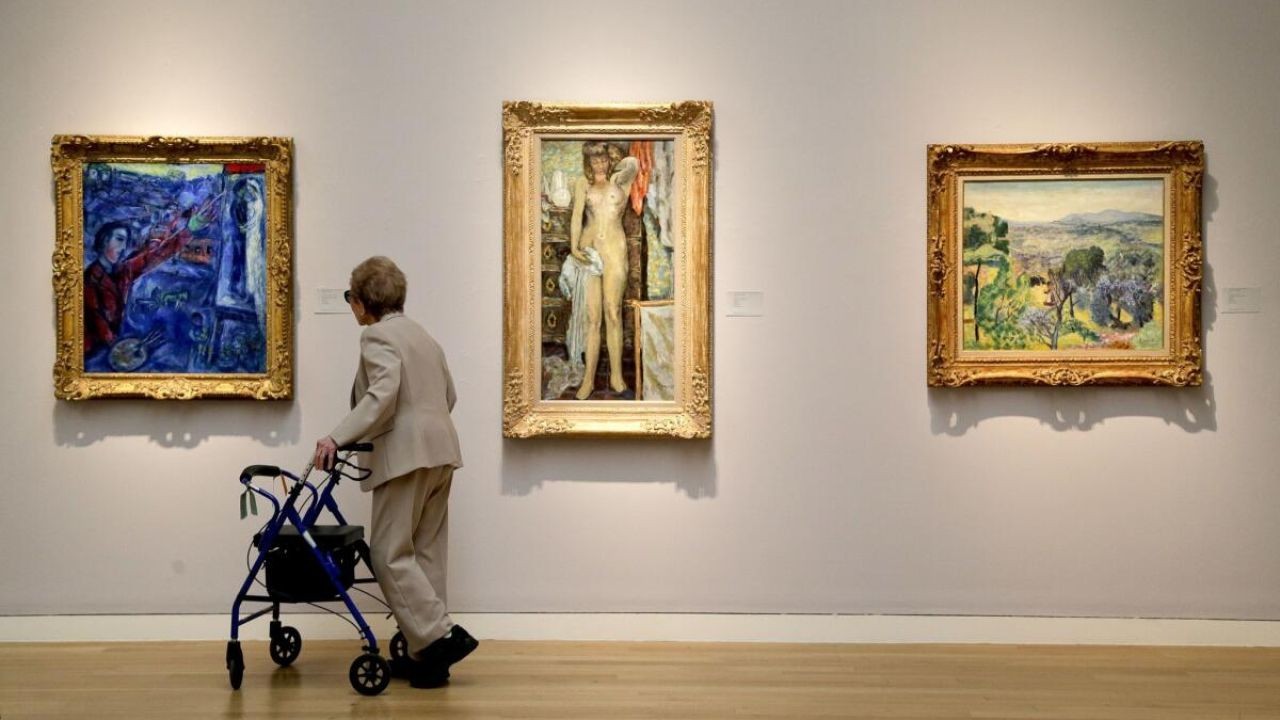
Local art fairs and international art auctions present distinct opportunities for Australian artists. While local art fairs offer a platform for emerging artists to showcase their work, international auctions can provide significant exposure and financial benefits. With the art market evolving rapidly, understanding where Aussie artists sell more can significantly impact their careers. This article will delve into the differences between these platforms, offering insights backed by data from the Australian Bureau of Statistics (ABS) and other reputable sources.
How It Works: Local Art Fairs
- Community Engagement: Local art fairs are integral to community engagement, providing artists with the chance to interact directly with their audience. This personal touch can enhance reputation and lead to future opportunities.
- Accessibility: They are typically more accessible for emerging artists, offering lower participation fees and less stringent entry requirements than international auctions.
- Sales Volume: While the financial returns might not match those of international auctions, the volume of sales can be higher due to the lower price point of artworks.
- Case Study - The Melbourne Art Fair: In 2023, the Melbourne Art Fair saw over 10,000 visitors, with emerging artists reporting a 30% increase in sales compared to previous years, according to the fair's organizers.
How It Works: International Art Auctions
- Global Exposure: International auctions provide artists with a platform to reach a global audience, which can significantly enhance their reputation and lead to further opportunities.
- Higher Returns: These auctions often feature higher-priced artworks, offering the potential for significant financial gain.
- Brand Recognition: Artists featured in major auctions like Sotheby’s or Christie’s gain prestige, which can lead to increased demand for their work.
- Case Study - Brett Whiteley: In 2022, a painting by Australian artist Brett Whiteley was sold at Sotheby’s for over AUD 6 million, setting a record for an Australian artwork.
SWOT Analysis
Local Art Fairs
- Strengths: Community engagement, accessibility for new artists.
- Weaknesses: Lower financial returns, limited reach.
- Opportunities: Networking, increased sales volume.
- Threats: Competition from other local fairs, economic downturns affecting attendance.
International Art Auctions
- Strengths: Global exposure, high financial returns.
- Weaknesses: High entry barriers, competition from established artists.
- Opportunities: Brand recognition, long-term career growth.
- Threats: Economic fluctuations, changing market trends.
Industry Insights
A report from the Australian Bureau of Statistics highlights that the art market contributes significantly to Australia’s economy, with a 3% annual growth rate. Local art fairs play a crucial role in this growth, attracting tourism and promoting cultural exchange. Conversely, international auctions offer a more lucrative avenue, but with higher risk and competition.
Pros vs. Cons Analysis
Local Art Fairs
- Pros: Community engagement, easier access for newcomers, potential for high sales volume.
- Cons: Lower financial returns, limited international exposure.
International Art Auctions
- Pros: High financial returns, global exposure, prestige.
- Cons: High entry barriers, significant competition, economic sensitivity.
Common Myths & Mistakes
- Myth: Local art fairs offer no real benefit to established artists. Reality: These fairs can provide established artists with new audiences and networking opportunities.
- Myth: International auctions guarantee success. Reality: While they offer potential for high returns, success is not guaranteed and can depend on market conditions.
- Myth: Only artists with a global reputation can succeed at international auctions. Reality: Emerging artists have also found success through strategic placements and unique offerings.
Future Trends & Predictions
By 2026, it is predicted that digital platforms will increasingly host both local art fairs and international auctions, leveraging technology to reach broader audiences. This shift will likely democratize access to these markets, providing more opportunities for Australian artists to showcase their work globally.
Conclusion
The decision between local art fairs and international art auctions depends on an artist’s career stage, goals, and risk tolerance. Local fairs offer community engagement and sales volume, while international auctions provide global exposure and high financial returns. Artists should consider their unique circumstances and market conditions to make informed decisions.
Whether you are an emerging artist or an established name, understanding these platforms' dynamics can significantly impact your career trajectory. Engage with both local and international markets to maximize your reach and financial outcomes.
People Also Ask (FAQ)
- How do local art fairs benefit Australian artists? Local art fairs provide community engagement, networking opportunities, and increased sales volume, especially for emerging artists.
- What are the financial benefits of international art auctions? International auctions offer potential for high financial returns and global exposure, enhancing artists’ reputations and career opportunities.
- What are the biggest misconceptions about art sales? A common myth is that international auctions guarantee success, but success depends on market conditions and strategic positioning.
Related Search Queries
- Australian art market trends
- Local art fairs in Australia
- International art auctions for Australian artists
- How to succeed at art auctions
- Emerging art trends 2024