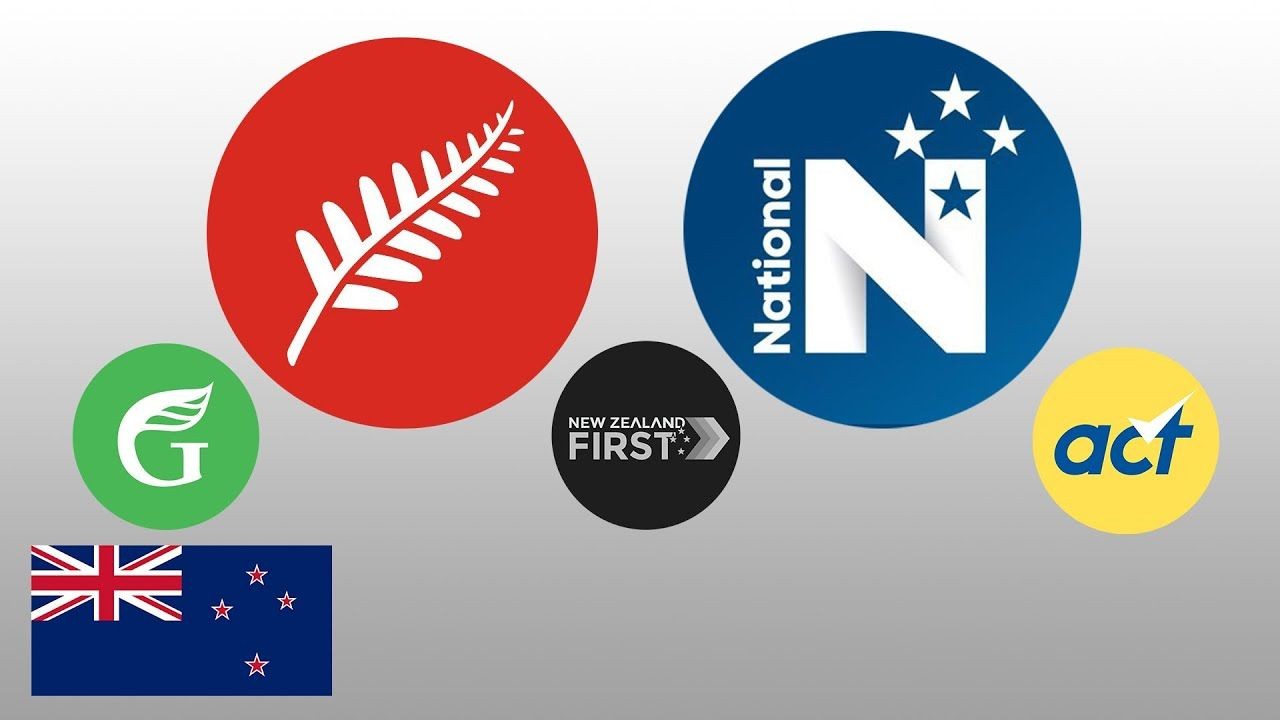





Political indecision is an insidious force that can undermine economic recovery efforts, particularly in nations like New Zealand, where the interplay between government policy, industries, and environmental considerations is critical. The lingering effects of such indecision are not merely theoretical but manifest in tangible economic strains, disrupting the country's path to sustainable growth.
Historical Context: Political Indecision and Economic Struggles
New Zealand's history of political indecision can be traced back to the economic reforms of the 1980s, known as 'Rogernomics.' These reforms, abrupt and far-reaching, were a government response to economic stagnation but led to significant social upheaval and economic insecurity for many Kiwis. Fast forward to the present, and similar patterns of indecision and delayed policy implementation continue to haunt New Zealand's economic landscape.
The country’s approach to climate change legislation is a prime example. The Zero Carbon Act of 2019 set ambitious targets, yet subsequent political wrangling and lack of decisive action have delayed critical progress. This indecision has left industries, especially agriculture, in a state of uncertainty, impacting investment and innovation in sustainable practices.
Current Economic Trends and Data-Driven Insights
According to the Reserve Bank of New Zealand, the nation’s GDP growth has been sluggish, with a mere 2% increase forecasted for 2024. This tepid growth is compounded by political indecision on crucial infrastructure investments, which has stalled potential economic benefits. Industries like construction and renewable energy, which could drive significant growth, remain hamstrung by policy delays.
Moreover, Stats NZ reports that business confidence is at a low, with only 22% of businesses expressing optimism about the future. This sentiment is a direct reflection of the uncertainty bred by political inaction and inconsistent policy directives.
Case Study: The Impact on New Zealand’s Renewable Energy Sector
New Zealand prides itself on its clean energy initiatives, yet political indecision has impeded the sector's full potential. For instance, the government’s inconsistent stance on the Emissions Trading Scheme (ETS) has left investors wary. A 2023 report from MBIE highlights that investment in renewable energy projects dropped by 15% compared to 2020, as potential investors await clearer, more stable policies.
This indecision not only affects environmental goals but also stifles economic growth by limiting job creation and technological advancement in the sector. If New Zealand is to lead in renewable energy, decisive political action is imperative.
Future Forecast & Trends: What Lies Ahead?
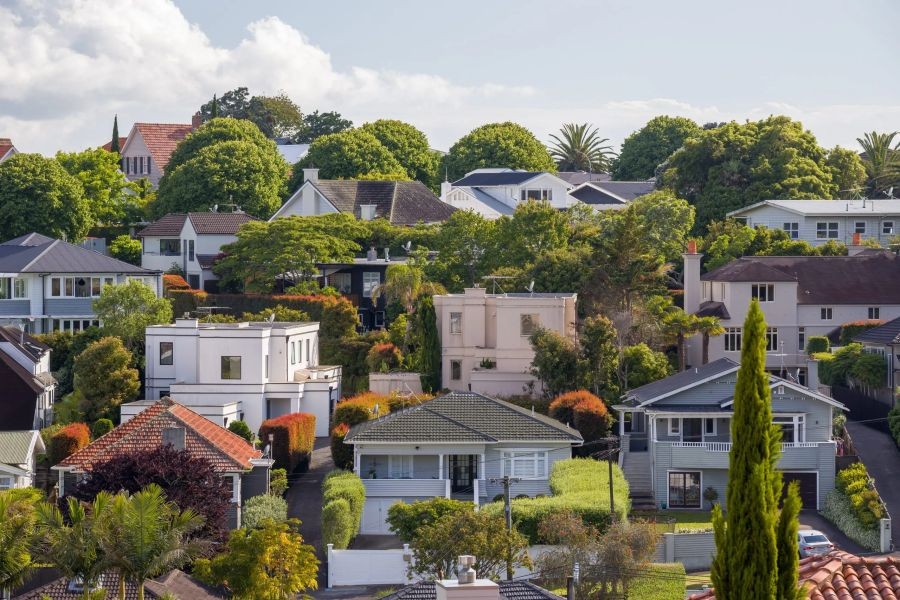
Looking ahead, the consequences of political indecision may escalate if not addressed. The Reserve Bank of New Zealand warns that continued inaction on housing and infrastructure policies could exacerbate existing economic disparities and further strain public resources. As the nation grapples with the impacts of climate change, the economic cost of delayed action could reach billions, with increased frequency and severity of natural disasters.
However, there is hope on the horizon. Emerging trends suggest that if New Zealand can harness its political will to implement decisive policies, it could position itself as a leader in sustainable development. By 2028, the global demand for green technologies is expected to grow by 30%, presenting a lucrative opportunity for New Zealand to capitalize on its natural resources and innovative capabilities.
Expert Opinion & Thought Leadership
Sarah Collins, a Preventative Healthcare & Lifestyle Medicine Specialist, emphasizes the need for holistic policy approaches. "New Zealand's economic recovery depends on integrated strategies that consider environmental, social, and economic factors. Political leaders must prioritize long-term sustainability over short-term gains," she states.
Her perspective aligns with the broader consensus among experts that New Zealand must adopt a proactive stance on policy-making to ensure a resilient and thriving economy. Emphasizing transparency and stakeholder engagement in the policy-making process could alleviate the uncertainty that currently plagues various industries.
Common Myths & Mistakes in Navigating Economic Recovery
- Myth: "Political indecision doesn't impact the economy significantly." Reality: Studies show that delayed policy implementation can cost economies up to 1% of GDP annually, as evidenced in New Zealand’s fluctuating GDP growth rates.
- Myth: "Environmental policies are a drain on the economy." Reality: Research from the University of Auckland indicates that every dollar invested in green technology yields a return of $3 in economic benefits.
- Myth: "Short-term economic gains outrank long-term sustainability." Reality: Sustainable practices have been shown to foster long-term economic stability, reducing costs associated with environmental degradation and health impacts.
Controversial Take: The Hidden Costs of Political Indecision
While many argue that political indecision merely delays progress, the hidden costs are far more insidious. Indecision not only stifles innovation and investment but also erodes public trust in governance. As citizens lose faith in their leaders, social cohesion diminishes, leading to a fragmented society ill-equipped to tackle the challenges of the future.
In the next five years, New Zealand must confront the reality that without decisive leadership, it risks falling behind on the global stage. The cost of inaction is too great, both economically and socially.
Final Takeaways
- Political indecision has far-reaching consequences on New Zealand's economic recovery, stalling growth and innovation.
- Industries like renewable energy are particularly vulnerable, requiring stable and decisive policy support to thrive.
- Experts advocate for a holistic approach to policy-making, integrating environmental and economic considerations.
- To secure a prosperous future, New Zealand must prioritize long-term sustainability over short-term political gains.
What’s your perspective on New Zealand’s political landscape? Share your thoughts and join the conversation below!
People Also Ask
- How does political indecision impact New Zealand's economy?Political indecision leads to investment delays, impacting key sectors like renewable energy and housing, ultimately slowing economic growth.
- What are the biggest misconceptions about political indecision?Many believe it has minimal economic impact, but it can cost economies up to 1% of GDP annually.
- What strategies can New Zealand adopt for better economic recovery?Experts recommend integrated policy approaches that balance environmental, social, and economic factors for sustainable growth.
Related Search Queries
- New Zealand economic recovery strategies
- Impact of political indecision on business
- Renewable energy investment in NZ
- NZ housing market policies
- Sustainable economic growth in New Zealand