


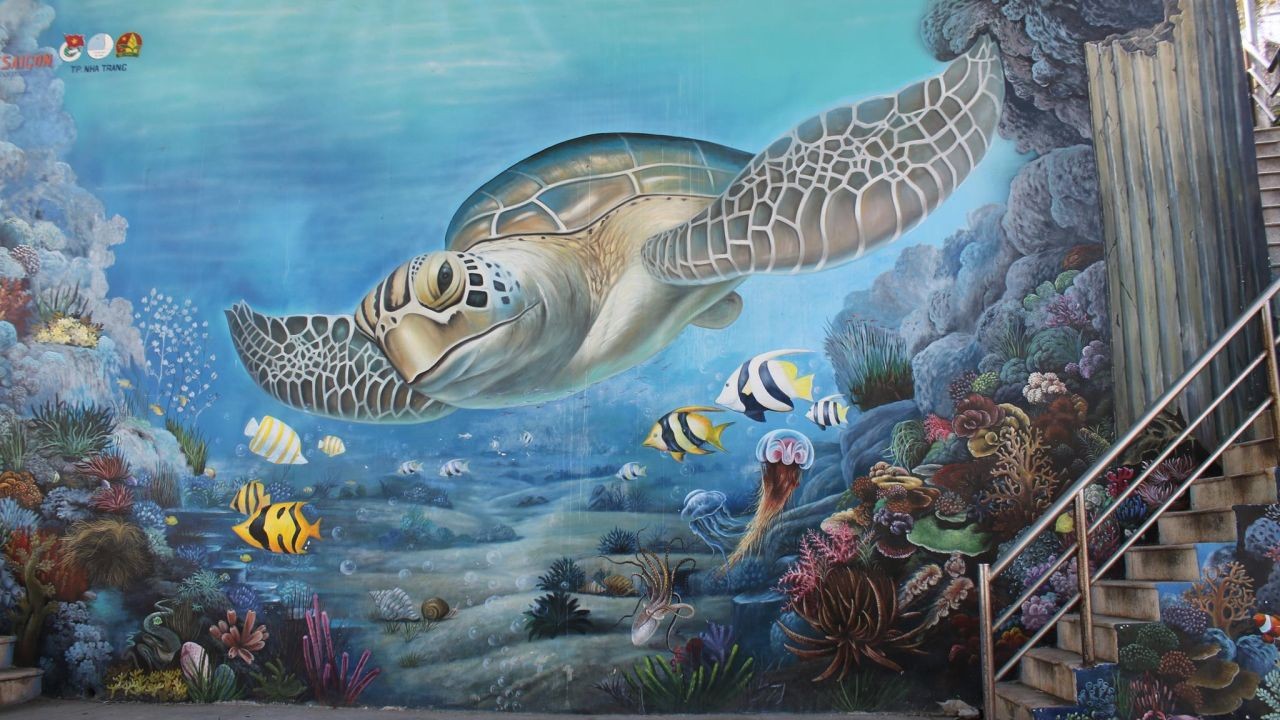
Did you know that some of Australia’s most vibrant economic communities owe their identity to street art? In the heart of Melbourne, the art-laden laneways not only captivate tourists but also boost local businesses. As urban landscapes evolve, the preservation of street art is becoming a pivotal consideration for both cultural and economic stakeholders across the country.
Background: The Colorful Canvas of Australian Cities
Australia's urban centers are renowned for their dynamic street art scenes, particularly in cities like Melbourne and Sydney. These outdoor galleries serve as a cultural barometer, reflecting societal values and historical narratives. The Australian Bureau of Statistics (ABS) notes that cultural and creative activities contribute around 6.4% to the nation's GDP, with street art playing a significant role.
Voices: Experts Weigh in on the Significance
Tim Flannery, a climate scientist and environmental policy expert, emphasizes the environmental aspect: “Street art often utilizes sustainable materials and highlights environmental issues, fostering community awareness in a visually engaging way.”
Meanwhile, urban planning consultant Jane Matthews highlights the economic impact: "Street art drives foot traffic, benefiting local businesses. Areas adorned with murals see up to a 30% increase in local commerce (Source: City of Melbourne, 2023)."
Implications: Why Preservation Matters
- Cultural Heritage: Street art tells the stories of communities. Preserving these stories maintains cultural continuity in rapidly changing urban environments.
- Tourism Boost: Street art is a significant draw for tourists, contributing to the local economy. The Treasury AU reports that cultural tourism accounts for a substantial portion of Australia's tourism revenue.
- Community Engagement: Street art fosters a sense of community pride and engagement, encouraging residents to participate in local activities and initiatives.
- Economic Growth: Areas with vibrant street art scenes report higher business activity, as murals and installations attract more visitors and customers.
- Environmental Awareness: Many street artists focus on environmental themes, promoting sustainability and eco-consciousness through their work.
Here are five reasons why Australian street art should be preserved:
1. It Reflects Cultural Identity
Street art captures the diverse stories of Australia’s people—First Nations voices, migrant experiences, and youth perspectives. Unlike traditional galleries, street walls are democratic canvases where artists can express identity, resilience, and community struggles. Preserving these works safeguards a living record of cultural identity.
2. It Attracts Tourism and Economic Value
Australia’s street art hubs—such as Melbourne’s laneways—are international attractions. Visitors come to experience the colours, scale, and creativity of these open-air galleries. Preserving them not only supports local artists but also boosts nearby cafes, shops, and cultural industries.
3. It Encourages Social Dialogue
Street art is often bold, raw, and unfiltered, making it a powerful medium for sparking conversations. Murals addressing climate change, Indigenous rights, or social justice issues challenge passersby to think critically. Preserving these works keeps important conversations alive in public spaces.
4. It Transforms Urban Landscapes
A blank wall can feel lifeless, but a mural can transform it into a landmark. Preserved street art brings colour, vibrancy, and creativity to cities, revitalising neglected areas and creating spaces that communities can take pride in.
5. It Supports Artistic Innovation
Many of today’s established artists began with spray cans on city walls. Street art provides a platform for experimentation, pushing creative boundaries beyond traditional mediums. Preserving these works ensures that future generations of artists can see, learn from, and be inspired by them.
Case Study: The Laneways of Melbourne
Consider the laneways of Melbourne, a city renowned for its street art. Hosier Lane, in particular, serves as a prime example of how street art can transform urban spaces. Once a neglected alley, it is now a bustling attraction that draws tourists and locals alike.
Problem: The area was once underutilized, with low foot traffic and little economic activity.
Action: Local artists collaborated with the city council to revitalize the space with vibrant murals, encouraging pedestrian traffic and business development.
Result: The transformation led to a 35% increase in foot traffic and a corresponding rise in local business revenue, as reported by the City of Melbourne Economic Development Board.
Takeaway: This case study demonstrates the power of street art to rejuvenate urban spaces, boost local economies, and foster community pride.
Debunking Myths: Common Misconceptions About Street Art
- Myth: Street art depreciates property values. Reality: Studies show that areas with vibrant street art often experience an increase in property values due to enhanced cultural appeal and increased foot traffic (Source: University of Sydney, 2023).
- Myth: Street art is merely graffiti and vandalism. Reality: While graffiti can be considered vandalism, street art is often commissioned and curated, adding cultural and aesthetic value to urban environments.
- Myth: Street art is a temporary trend. Reality: Street art has been a cultural staple for decades and continues to evolve, reflecting societal changes and innovations.
Future Trends & Predictions
According to a report by the Australian Financial Review, the integration of augmented reality (AR) with street art is likely to become a significant trend, offering interactive experiences that blend digital and physical worlds. By 2025, AR-enhanced street art could attract 25% more tourism-related foot traffic, driving further economic benefits.
Conclusion: A Call to Action
Preserving street art is not just about maintaining cultural heritage; it's about fostering economic growth and community engagement. As urban landscapes continue to evolve, the integration of street art into city planning and development strategies is essential. What’s your take on the preservation of street art? Share your insights in the comments below!
People Also Ask
- How does street art impact businesses in Australia? Street art attracts tourists and locals, boosting foot traffic and increasing local business revenue. Areas with vibrant street art scenes report up to a 30% increase in commerce.
- What are the biggest misconceptions about street art? One common myth is that street art depreciates property values. However, research shows that it often enhances cultural appeal, increasing property values.
- How can cities preserve street art effectively? Cities can preserve street art by integrating it into urban planning, offering support to artists, and utilizing technology like augmented reality to enhance experiences.
Related Search Queries
- Benefits of street art in urban planning
- Economic impact of street art in Australia
- Cultural significance of street art
- How to preserve street art
- Street art and tourism in Melbourne
- Environmental themes in street art
- Future trends in street art
- Street art vs. graffiti
- Augmented reality in street art
- Community engagement through street art