





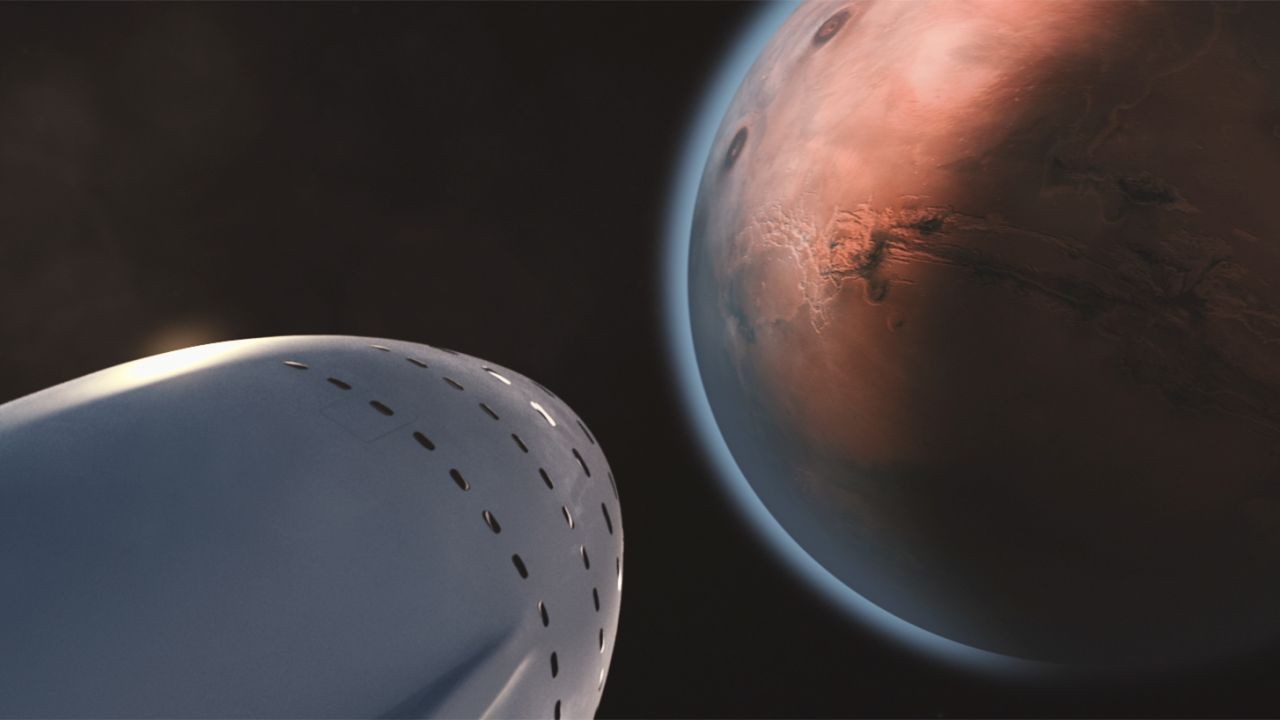
In the vast expanse of space, Mars stands as a beacon of human ambition and exploration. While the allure of colonizing the Red Planet captures imaginations worldwide, debates rage over its feasibility and necessity. Australia, with its growing interest in space exploration, is no stranger to this discussion. Let’s dive deep into why some scientists remain skeptical about Mars colonization, exploring insights from industry experts, real-world data, and implications for Australia.
🔍 The Reality of Mars Colonization: Why Skepticism Exists
While the idea of colonizing Mars is exhilarating, several scientific, logistical, and ethical concerns emerge:
- Environmental Challenges: Mars' atmosphere is 96% carbon dioxide, making it inhospitable for human life without advanced technology.
- Resource Limitations: Unlike Earth, Mars lacks abundant resources necessary for sustainable human survival.
- Health Risks: Extended space travel poses significant health risks, including radiation exposure and muscle atrophy.
- Technological Barriers: Current technology is insufficient for a self-sustaining colony, requiring significant advancements.
- Ethical Concerns: The ethical implications of altering another planet's ecosystem are still debated.
🚀 Australia's Role in the Space Race
Australia's involvement in space exploration is gaining momentum. The Australian Space Agency, established in 2018, aims to triple the size of the space sector by 2030. However, the focus remains on Earth-bound benefits, such as satellite technology and Earth observation, rather than interplanetary colonization.
According to the Australian Bureau of Statistics (ABS), the space sector contributes significantly to the economy, with potential growth driven by technological advancements and international collaborations. Yet, the cost and risk of Mars colonization may divert resources from more immediate and impactful projects.
🔬 Expert Opinions: What Scientists Say
Let's delve into what prominent scientists and experts are saying about Mars colonization:
- Dr. Ross Garnaut: An advocate for prioritizing Earth’s challenges, Garnaut emphasizes the need for sustainable solutions closer to home before venturing to Mars.
- Elon Musk: A proponent of Mars colonization, Musk argues for the necessity of becoming a multi-planetary species to ensure humanity's long-term survival.
- Dr. Katherine Johnson: She highlights the technological hurdles and believes that the focus should be on enhancing Earth-based technologies that can eventually support space exploration.
These perspectives underscore a critical debate: should humanity invest in Mars colonization, or focus on solving pressing Earthly problems first? Australia's economic and scientific priorities lean towards the latter.
📊 Data-Driven Analysis: Economics of Mars Colonization
The economic implications of Mars colonization are profound:
- Cost: NASA estimates a human mission to Mars could cost upwards of $100 billion.
- Return on Investment: While technological spin-offs are possible, the direct economic ROI remains uncertain.
- Opportunity Cost: Diverting resources to Mars could impede advancements in renewable energy and climate solutions, crucial for Australia’s sustainability goals.
The Australian Treasury highlights that strategic investments in renewable energy and technology yield higher economic returns compared to speculative space ventures.
🌍 Local Impact: Australia’s Space Industry
Australia’s space industry is evolving, with a focus on Earth observation, satellite technologies, and data analytics. Here’s how Mars colonization discussions impact local trends:
- Innovation Focus: Australian companies are innovating in satellite technology, contributing to global communication networks.
- Economic Growth: The local space sector is projected to create thousands of jobs and contribute billions to the GDP.
- Environmental Benefits: Space technology aids in monitoring climate change, aligning with Australia’s environmental policies.
These factors underscore the strategic importance of space technology for Australia, emphasizing terrestrial benefits over interplanetary ambitions.
📖 Case Study: Australia’s Satellite Technology Success
Australia has made significant strides in satellite technology, with companies like Fleet Space Technologies leading the charge. Their efforts in deploying nanosatellites have revolutionized data collection, enhancing precision agriculture and resource management.
Problem: Traditional data collection methods were inefficient and costly.
Action: Fleet Space Technologies developed nanosatellites, providing low-cost, real-time data.
Result: Precision agriculture saw a 30% increase in efficiency, saving millions annually in resource management.
Takeaway: This case highlights the potential of space technology to drive economic and environmental benefits on Earth, an area where Australia excels.
🔮 Future Trends: Mars Colonization and Beyond
What does the future hold for Mars colonization and space exploration?
- Technological Advancements: AI and robotics will play crucial roles in overcoming Mars’ environmental challenges.
- Collaborative Efforts: International partnerships will be essential, with Australia poised to contribute through technological innovation.
- Sustainability Focus: The emphasis will likely shift towards creating sustainable technologies that benefit both Earth and space exploration.
According to a report by CSIRO, Australia’s investment in space technologies is expected to grow exponentially, driven by global demand for sustainable solutions.
❓ Common Myths & Mistakes
Let’s debunk some myths surrounding Mars colonization:
- Myth: Mars is a viable backup for Earth. Reality: Mars lacks the resources and atmosphere necessary for human survival without significant technological intervention.
- Myth: Colonizing Mars will solve overpopulation. Reality: The logistical challenges and costs make large-scale relocation implausible.
- Myth: Technology is ready for Mars colonization. Reality: Current technology is insufficient for sustaining human life on Mars long-term.
These myths highlight the need for realistic expectations and priorities in space exploration.
📊 Pros & Cons of Mars Colonization
✅ Pros:
- Scientific Discovery: Mars exploration could lead to breakthroughs in understanding the universe.
- Technological Innovation: The challenges of colonization drive advancements in robotics, AI, and materials science.
- Inspiration: Space exploration inspires future generations to pursue STEM fields.
❌ Cons:
- High Costs: The financial burden may divert resources from critical Earth-based projects.
- Health Risks: Prolonged exposure to space environments poses significant health challenges.
- Ethical Concerns: The impact on potential Martian ecosystems raises ethical questions.
Weighing these pros and cons is crucial for informed decision-making in space policy and investment.
🔍 People Also Ask (FAQ)
- How does Mars colonization impact businesses in Australia? Businesses focusing on space technology can benefit from increased demand for innovations in satellite and AI technologies, enhancing economic growth.
- What are the biggest misconceptions about Mars colonization? A common misconception is that Mars can serve as an immediate backup for Earth, but significant technological and logistical barriers exist.
- What upcoming changes in Australia could affect Mars exploration? Australia’s investment in space technology is expected to grow, driven by international collaborations and advancements in sustainable solutions.
🔗 Related Search Queries
- Pros and cons of colonizing Mars
- Challenges of Mars colonization
- Australia’s space industry growth
- Technological advancements for Mars exploration
- Ethical implications of space colonization
- Australia’s role in international space exploration
- Health risks of long-term space travel
- Environmental impact of space exploration
- Future of space technology in Australia
- International collaborations in space exploration
🔚 Conclusion
As we ponder the possibilities of Mars colonization, it’s essential to balance ambition with pragmatism. While the Red Planet offers a frontier for scientific discovery and technological innovation, the challenges are significant. For Australia, investing in space technology presents opportunities for economic growth and environmental benefits closer to home. As we navigate the future of space exploration, let’s prioritize sustainable solutions that benefit both our planet and our pursuit of the stars.
What’s your take on Mars colonization? Join the discussion below or share your insights on LinkedIn and Twitter. Let’s engage in a conversation about our cosmic future!