




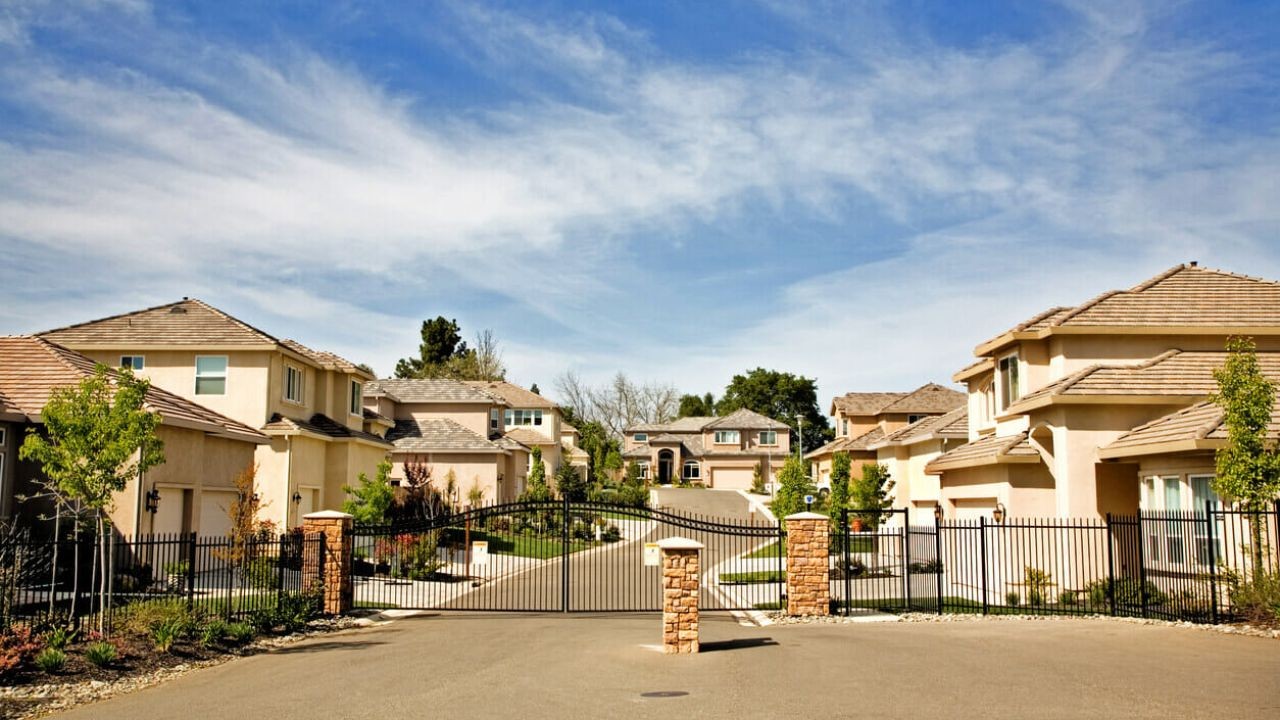
The allure of gated communities, often synonymous with exclusivity and security, has been a significant feature in the urban landscape of affluent suburbs worldwide. In Australia, this trend is no exception, with wealthy suburbs increasingly turning to these secluded enclaves. However, the future of gated communities in Australia's wealthiest suburbs presents a complex interplay of historical precedents, current trends, and future predictions. This article aims to dissect these dimensions, offering insights into what's driving this phenomenon and its implications on wellness, real estate, and community dynamics.
Historical Context: Gated Communities and Their Evolution
Gated communities have their origins in ancient civilizations, where the concept of building fortifications around settlements was primarily for protection. Fast forward to the late 20th century, the rise of gated communities in the United States set a precedent that would later influence global real estate trends. In Australia, these communities began gaining traction in the late 1990s and early 2000s, primarily in cities like Sydney and Melbourne.
The early adopters were drawn by the promise of enhanced security, privacy, and a sense of exclusivity. Over the years, as urbanization intensified and safety concerns grew, the demand for gated communities surged, especially among the affluent looking for a sanctuary amidst the urban hustle.
Current Trends: The Surge in Demand for Gated Communities
Today, the demand for gated communities in Australia's wealthiest suburbs is driven by several factors. According to the Australian Bureau of Statistics (ABS), the number of gated community developments has increased by 15% annually over the past five years. This rise can be attributed to several key trends:
- Security Concerns: The perception of increased crime rates in urban areas has fueled demand for secure living environments.
- Privacy and Exclusivity: As wealth grows, so does the desire for privacy, leading affluent Australians to seek homes in secluded communities.
- Community Lifestyle: Gated communities offer a lifestyle package with amenities like golf courses, clubhouses, and wellness centers, appealing to the affluent's lifestyle aspirations.
The Reserve Bank of Australia (RBA) has noted that the real estate market in these suburbs has witnessed a price appreciation of 20% faster than non-gated areas, highlighting the premium placed on these communities.
Case Study: Sanctuary Cove, Queensland
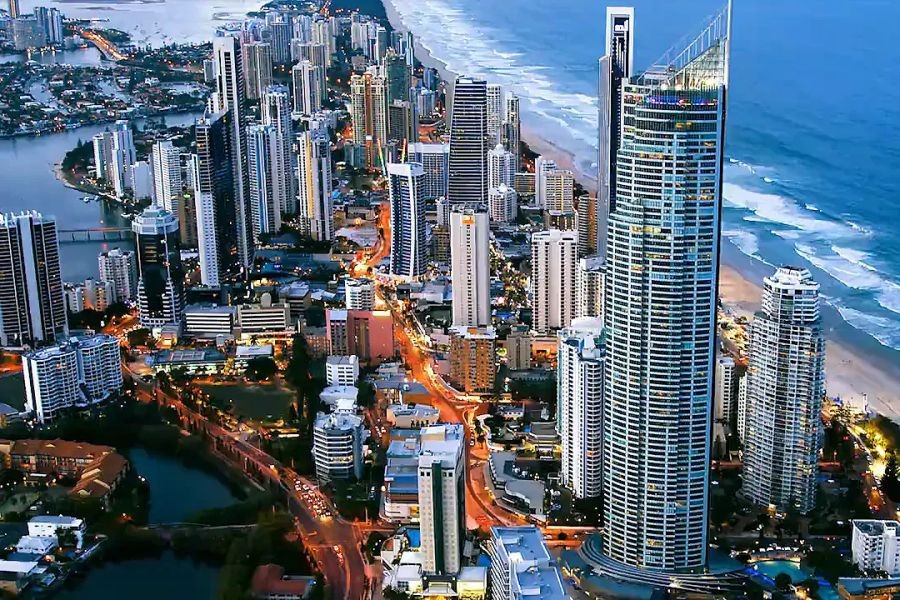
Sanctuary Cove, located on Queensland's Gold Coast, serves as a prime example of the successful implementation of a gated community model. Established in the 1980s, it was one of Australia's first integrated residential communities, offering residents a blend of luxury, security, and lifestyle amenities.
Problem: In the early 2000s, Sanctuary Cove faced challenges with declining property values due to increased competition from nearby developments.
Action: The management revamped the community's offerings, enhancing security features and adding new wellness and recreational facilities.
Result: Over five years, property values increased by 30%, and resident satisfaction scores improved significantly. The community is now a benchmark for luxury living in Australia.
Challenges and Criticisms
While gated communities offer numerous benefits, they are not without criticisms. Some argue that they contribute to social segregation and create 'exclusive enclaves' that are detached from broader community interactions. The ACCC has raised concerns about the potential for monopolistic practices in these communities, where residents may be restricted to using in-house service providers.
Moreover, the environmental impact of these developments cannot be overlooked. Large gated communities often consume significant land resources, which could otherwise be used for public housing or green spaces, raising sustainability concerns.
Pros and Cons of Gated Communities
Pros:
- Enhanced Security: Advanced security systems and controlled access reduce crime rates significantly.
- Increased Property Value: Homes in gated communities often appreciate faster due to demand for exclusivity.
- Community Amenities: Access to exclusive facilities enhances lifestyle and wellness opportunities.
Cons:
- Social Segregation: Critics argue that gated communities contribute to social inequality by segregating wealthy residents from the rest of the population.
- High Costs: Maintenance fees and property premiums can be prohibitive for some buyers.
- Environmental Impact: Large developments can have significant ecological footprints.
Future Predictions and Trends
The future of gated communities in Australia's wealthiest suburbs is poised for evolution, driven by emerging trends in real estate and lifestyle preferences.
By 2030, it is predicted that 50% of new housing developments in affluent suburbs will incorporate gated features. This shift is fueled by advancements in smart home technologies, offering enhanced security and convenience. Additionally, as the wellness industry continues to grow, gated communities are likely to integrate more health-focused amenities such as meditation centers, organic farms, and wellness retreats.
Furthermore, as Australia continues to navigate economic challenges, such as those highlighted by the RBA's recent reports on housing affordability, gated communities may need to adapt to offer more value for money. This could involve diversifying their offerings to attract a broader demographic, including young professionals and retirees looking for secure and vibrant living spaces.
Conclusion and Call to Action
The future of gated communities in Australia's wealthiest suburbs is both promising and complex. While these communities offer undeniable benefits such as security and enhanced lifestyle amenities, they must also address criticisms related to social segregation and environmental impact.
For wellness industry experts, the integration of health and wellness amenities within these communities presents an opportunity to cater to a growing market demand. As these developments continue to evolve, staying informed about trends and regulatory changes will be crucial for stakeholders involved in planning, developing, and managing these communities.
What are your thoughts on the future of gated communities in Australia? Share your insights and engage in the discussion below!
People Also Ask
How does the rise of gated communities impact Australia's housing market? The rise of gated communities has led to increased property values in affluent suburbs, with a 20% faster appreciation compared to non-gated areas, according to the RBA. This trend influences overall market dynamics, particularly in terms of supply and demand for luxury properties.
What are the biggest misconceptions about gated communities? A common misconception is that gated communities are only for the ultra-wealthy. However, research from the Australian Bureau of Statistics shows a growing diversity in resident demographics, including young professionals and retirees seeking security and lifestyle amenities.
Related Search Queries
- Gated communities in Sydney
- Benefits of living in a gated community
- Cost of gated communities in Australia
- Social impact of gated communities
- Future trends in Australian real estate
- Environmental concerns of gated communities
- Smart home technologies in gated communities
- RBA housing market reports
- Wellness amenities in luxury developments
- Australian gated community regulations