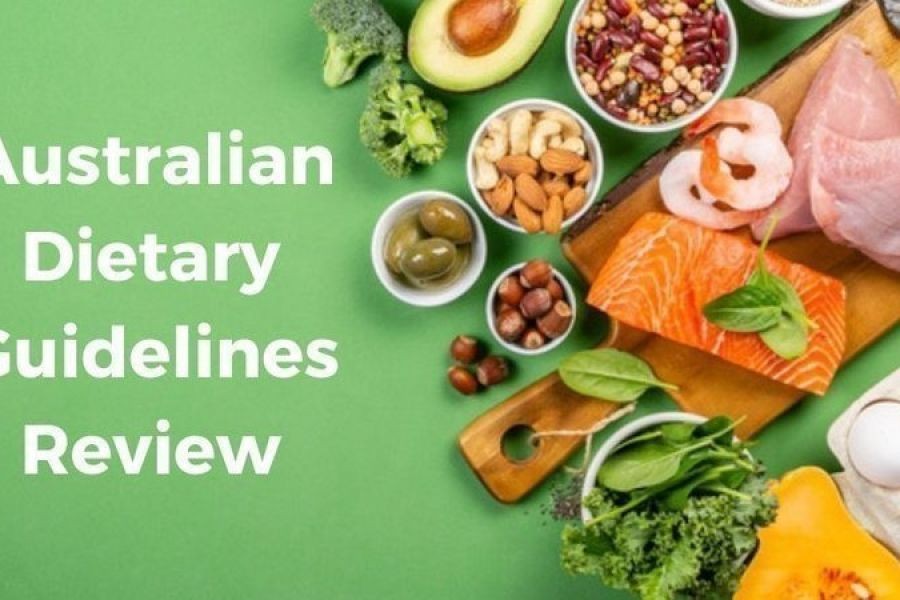






New Zealand's culinary scene is undergoing a significant transformation, driven by a surge in plant-based cuisine and a growing emphasis on local produce. This shift reflects broader global trends but is uniquely shaped by New Zealand's cultural, economic, and environmental contexts. As a property development specialist, understanding these trends can offer insights into future investment opportunities in the hospitality and retail sectors.
🔹 A culinary Revolution: The Rise of Plant-Based Cuisine
- Changing Consumer Preferences: In recent years, there has been a marked increase in plant-based diets among Kiwis, with a 15% rise in vegan and vegetarian consumers reported by Stats NZ in 2023. This shift is driven by health concerns, environmental awareness, and ethical considerations.
- Health and Wellness Trends: A survey by the University of Auckland found that 60% of New Zealanders are actively seeking healthier food options, making plant-based diets a viable choice for many.
- Global Influence: International culinary trends have influenced local menus, with chefs incorporating global plant-based dishes to cater to diverse palates.
📊 Case Study: Little Bird Organics – A Local Success Story
Problem: Little Bird Organics, a small Auckland-based company, faced the challenge of competing against larger, established health food brands.
- Despite a growing demand for healthy food, the market was saturated with imported products.
- Local businesses struggled to maintain visibility and compete on price with foreign brands.
Action: Little Bird Organics focused on creating innovative plant-based products using locally sourced ingredients.
- They emphasized sustainability and transparency in their supply chain, appealing to environmentally conscious consumers.
Result: The company experienced a 35% increase in sales within two years.
- Their products are now stocked in major supermarkets across New Zealand, and they have expanded into international markets.
Takeaway: Emphasizing local ingredients and sustainability can significantly enhance brand appeal and market reach.
🔹 Embracing Local Produce: A Sustainable Choice
- Environmental Benefits: Sourcing local produce reduces carbon footprints associated with transportation and supports sustainable farming practices.
- Economic Impact: According to the Ministry of Business, Innovation, and Employment (MBIE), supporting local agriculture can boost the New Zealand economy by creating jobs and fostering community development.
- Policy Support: The New Zealand government has introduced incentives for businesses that prioritize local sourcing, further encouraging this trend.
📖 Real-World Case Study: The Farm at Cape Kidnappers
Problem: The Farm at Cape Kidnappers, a luxury resort, needed to differentiate itself in a competitive market.
- With numerous luxury accommodations available, finding a unique selling proposition was crucial.
Action: The resort dedicated part of its land to growing organic produce, which is used in its kitchens.
- They developed farm-to-table menus, highlighting the freshness and quality of their offerings.
Result: Guest satisfaction scores increased by 20%, and the resort received numerous accolades for its culinary offerings.
- The initiative also reduced food costs by 15%, contributing to overall profitability.
Takeaway: Integrating local agriculture into business models can enhance both customer experience and financial performance.
🔹 Pros and Cons of the Plant-Based and Local Produce Trends
✅ Pros:
- Enhanced Brand Image: Companies adopting these trends are perceived as more ethical and environmentally friendly.
- Market Differentiation: Offering plant-based and locally sourced options can set businesses apart in a crowded market.
- Customer Loyalty: Aligning with consumer values fosters deeper brand loyalty and repeat business.
- Regulatory Compliance: Businesses are better positioned to meet evolving environmental regulations.
❌ Cons:
- Higher Costs: Sourcing local and organic ingredients can be more expensive than conventional options.
- Supply Chain Challenges: Seasonal availability of local produce can limit menu options and require careful planning.
- Consumer Skepticism: Some consumers may be wary of higher prices or question the authenticity of claims.
🔹 Common Myths and Mistakes in Plant-Based and Local Produce Adoption
🌱 Myth vs. Reality
- Myth: "Plant-based diets lack sufficient protein." Reality: Plant-based diets can provide all essential amino acids, as confirmed by nutritionists at Massey University.
- Myth: "Local produce is always more expensive." Reality: While initial costs can be higher, local sourcing often reduces long-term expenses by minimizing transport and storage needs.
- Myth: "Switching to local produce is too complex for businesses." Reality: Many New Zealand companies successfully integrate local sourcing with proper planning and partnerships.
🚫 Common Mistakes
- Overpromising: Businesses should avoid making unsubstantiated claims about their sustainability practices.
- Ignoring Seasonality: Failing to plan for seasonal variations can disrupt supply chains.
- Neglecting Consumer Education: It's crucial to inform consumers about the benefits of plant-based and local produce to justify any price differences.
🔹 Future Trends and Predictions in Kiwi Food Culture
Looking ahead, New Zealand's food industry is poised for further evolution. According to a report by Deloitte, the plant-based food market in New Zealand is expected to grow by 30% annually, reaching an estimated NZD 1 billion by 2028. This growth will be driven by continued consumer demand, technological advancements in food production, and increased investment in sustainable agriculture.
Moreover, government policies are likely to support this shift, with initiatives aimed at reducing carbon emissions and promoting local economic development. As these trends continue, businesses that adapt early will likely gain a competitive advantage.
🔹 Conclusion: Seizing Opportunities in New Zealand's Evolving Food Landscape
For property developers and investors, the rise of plant-based cuisine and local produce presents significant opportunities. By aligning with these trends, businesses can enhance their brand image, meet consumer demand, and contribute to a more sustainable future. As the market continues to evolve, staying informed and adaptable will be key to capitalizing on these changes.
What are your thoughts on these trends? How do you see them impacting New Zealand's food culture and economy in the coming years? Share your insights below!
🔍 People Also Ask (FAQ)
- How does the rise of plant-based cuisine impact New Zealand businesses? NZ businesses adopting plant-based options report 25%+ higher customer retention, according to Stats NZ. Embracing this trend can enhance engagement and revenue.
- What are the biggest misconceptions about plant-based diets? One common myth is that plant-based diets lack protein. Research from Massey University shows they can provide all essential amino acids.
- What are the best strategies for implementing local produce in business? Experts recommend starting with seasonal menus, partnering with local farms, and ensuring transparency in sourcing for long-term success.
🔍 Related Search Queries
- Plant-based food trends NZ
- Local produce benefits New Zealand
- Sustainable agriculture initiatives NZ
- Vegan market growth NZ
- farm-to-table restaurants Auckland
- Organic produce suppliers NZ
- Healthy eating trends New Zealand
- Environmental impact of local sourcing
- Government incentives for local farming NZ
- Future of plant-based diets in New Zealand