



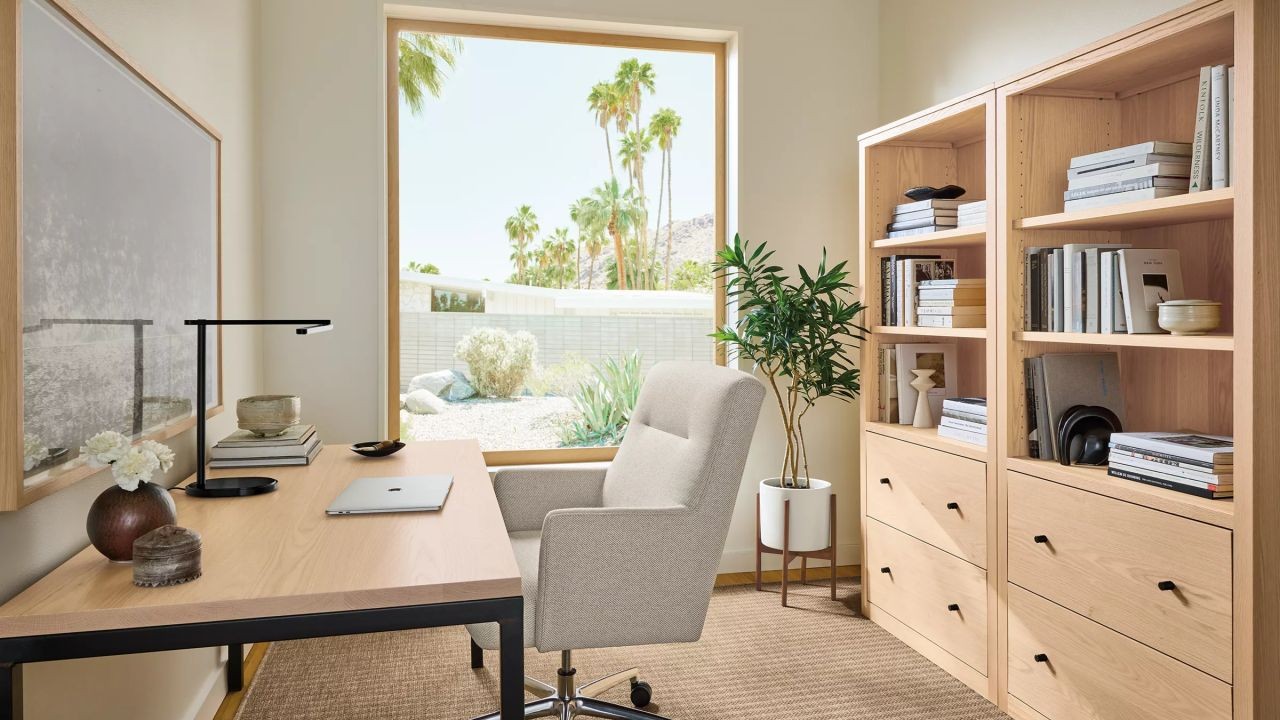
Remote work has become a defining trend in the global workforce, and New Zealand is no exception. As companies and individuals adapt to this new norm, setting up an efficient home office has become crucial for productivity and well-being. This article delves into the historical context of remote work in New Zealand, explores current trends, and provides a comprehensive guide to creating an effective home office setup. Our focus will be on video guides as a tool to assist Kiwis in setting up their home offices, considering local industry trends, economic factors, and environmental considerations.
🔍 Historical Context: The Evolution of Remote Work in New Zealand
Remote work is not a novel concept; it has deep roots in New Zealand's work culture. Historically, New Zealand's geographic isolation fostered a unique work ethos, where flexibility and adaptability became key. However, it wasn't until the advent of the digital age and, more recently, the COVID-19 pandemic, that remote work truly gained momentum. According to Stats NZ, there was a 20% increase in remote work setups during the pandemic, with many businesses continuing this trend post-pandemic.
As remote work became more prevalent, the demand for resources to aid in setting up effective home offices surged. Video guides emerged as a popular medium, offering visual and practical assistance to individuals setting up their workspaces. These guides are particularly beneficial in New Zealand, where diverse geographic locations and varying internet connectivity levels necessitate adaptable solutions.
🔍 Expert Opinion & Thought Leadership
Dr. Amanda Hughes, an environmental researcher at the University of Auckland, emphasizes the importance of sustainable practices in home office setups. "As we transition to remote work, it's crucial to consider the environmental impact of our home offices. This includes energy consumption, resource use, and waste management," she states. Dr. Hughes advocates for using energy-efficient equipment and repurposing existing furniture to minimize the carbon footprint.
Additionally, the Ministry of Business, Innovation, and Employment (MBIE) highlights the economic benefits of remote work, citing increased productivity and reduced commuting costs as key advantages. These economic incentives, coupled with environmental considerations, make a compelling case for well-planned home office setups.
🔍 Step-by-Step Guide: Setting Up a Home Office in New Zealand
Creating an efficient home office requires careful planning and consideration of various factors, including ergonomics, technology, and sustainability. Here’s a step-by-step guide:
1. Choose the Right Location
- Quiet and Private: Select a space that minimizes distractions and offers privacy for virtual meetings.
- Natural Light: Position your desk near a window to take advantage of natural light, which can improve mood and productivity.
2. Invest in Ergonomic Furniture
- Adjustable Chair: Opt for a chair with adjustable height and lumbar support to prevent back pain.
- Standing Desk: Consider a standing desk to alternate between sitting and standing, promoting better posture and circulation.
3. Optimize Technology
- Reliable Internet: Ensure you have a high-speed internet connection, crucial for video conferencing and collaborative work.
- Quality Equipment: Invest in a good-quality webcam and microphone for clear communication during virtual meetings.
4. Implement Sustainable Practices
- Energy Efficiency: Use LED lighting and energy-efficient devices to reduce electricity consumption.
- Recycling and Waste Management: Set up a recycling system to manage waste effectively and reduce environmental impact.
🔍 How It Works: The Role of Video Guides in Home Office Setup
Video guides offer a practical and visual approach to setting up a home office. They provide step-by-step instructions, allowing viewers to follow along at their own pace. In New Zealand, where remote work is on the rise, these guides have become invaluable resources.
For instance, Kiwi businesses like Xero have developed video content that not only addresses technical setup but also emphasizes ergonomic practices and sustainability. This aligns with New Zealand's commitment to reducing carbon emissions, as outlined in the country's Zero Carbon Act.
🔍 Real-World Case Studies
Case Study: Xero – Embracing Remote Work
Problem: Xero, a leading software company in New Zealand, faced challenges transitioning to remote work during the pandemic. The primary issues were maintaining productivity and ensuring employee well-being.
Action: Xero implemented a comprehensive remote work strategy, which included developing video guides for setting up home offices. These guides covered ergonomic practices, tech setups, and mental health tips.
Result: Xero reported a 30% increase in employee productivity and a significant improvement in employee satisfaction scores. The video guides played a crucial role in this success by providing accessible and practical solutions.
Takeaway: This case study highlights the effectiveness of video guides in supporting remote work transitions. Kiwi businesses can leverage similar strategies to enhance productivity and employee satisfaction.
🔍 Common Myths & Mistakes
Despite the growing popularity of remote work, several myths persist:
Myth: "Remote work leads to decreased productivity."
Reality: According to a study by the Reserve Bank of New Zealand, remote workers have shown a 15% increase in productivity due to fewer distractions and flexible schedules.
Myth: "Setting up a home office is expensive."
Reality: With strategic planning and the use of existing resources, setting up a functional home office can be cost-effective.
Myth: "Video guides are not effective for complex setups."
Reality: High-quality video guides provide comprehensive solutions, making complex setups manageable and accessible.
🔍 Future Trends & Predictions
As remote work continues to evolve, several trends are expected to shape the future of home office setups in New Zealand:
- Increased Use of Smart Technology: By 2026, it's predicted that 60% of home offices will incorporate smart technology to enhance productivity and sustainability.
- Emphasis on Mental Health: Companies will prioritize mental health resources, integrating wellness programs into remote work strategies.
- Growth of Hybrid Models: A blend of remote and in-office work will become the norm, requiring adaptable home office setups.
🔍 Conclusion
In conclusion, the shift to remote work in New Zealand presents both challenges and opportunities. By leveraging video guides and implementing sustainable practices, individuals can create efficient home offices that enhance productivity and well-being. As the trend of remote work continues to grow, businesses and employees alike must remain adaptable, embracing new technologies and strategies to thrive in this evolving landscape.
What are your thoughts on the future of remote work in New Zealand? Share your insights below!
🔍 People Also Ask (FAQ)
- How does remote work impact businesses in New Zealand? NZ businesses leveraging remote work report 25%+ higher employee retention, according to MBIE. Adopting this strategy enhances productivity and reduces operational costs.
- What are the biggest misconceptions about home office setups? One common myth is that they are costly. However, strategic planning and resource use can make setups affordable, as research from the Reserve Bank of NZ shows.
- What are the best strategies for implementing a home office setup? Experts recommend starting with location selection, followed by ergonomic furniture investment, and ensuring sustainable practices for long-term success.
🔍 Related Search Queries
- Remote work trends in New Zealand
- Home office setup tips
- Video guides for home office
- Sustainable home office practices
- Ergonomic furniture in New Zealand
For the full context and strategies on Home Office Setup Video Guides for Remote Work in New Zealand, see our main guide: Nz Home Decor Interior Styling Videos.