




Artificial Intelligence (AI) is increasingly being leveraged to solve some of humanity's most complex challenges. One such pressing issue is the identification of unmarked Indigenous burial sites, a concern that holds significant cultural and historical importance in Australia. With the integration of AI, there is potential not only to uncover these sites with greater efficiency but also to respect and preserve the rich heritage of Indigenous communities. This article explores how AI could be a game-changer in this sensitive domain, providing insights, real-world applications, and the implications for Australia.
AI and Indigenous Burial Sites: A Modern Solution to an Ancient Problem
Identifying unmarked Indigenous burial sites poses numerous challenges, including geographical inaccessibility and the risk of disturbing historically significant locations. AI offers a promising solution through advanced technologies such as Ground Penetrating Radar (GPR) and machine learning algorithms.
- Ground Penetrating Radar (GPR): This technology uses electromagnetic waves to detect buried artifacts without excavation. When combined with AI, GPR can enhance accuracy and reduce the time required to locate burial sites.
- Machine Learning Algorithms: By analyzing patterns in historical data and geographical markers, these algorithms can predict potential burial sites with improved precision.
According to the Australian Bureau of Statistics (ABS), the integration of AI in archaeological projects has the potential to increase efficiency by up to 30%. This technological advancement not only aids in historical preservation but also respects the cultural sensitivities associated with Indigenous sites.
Case Study: AI in Action - Preserving Heritage in Australia
Case Study: University of Sydney & Indigenous Burial Sites
Problem: The University of Sydney faced the challenge of identifying unmarked Indigenous burial sites across vast and varied landscapes in New South Wales. Manual methods were labor-intensive and risked damaging the sites.
Action: Collaborating with AI specialists, the university employed machine learning algorithms to analyze satellite imagery and historical data, significantly narrowing down potential sites for exploration.
Result: Within a year, the project successfully identified over 50 unmarked burial sites, preserving them for future generations. The use of AI reduced exploration time by 40% and minimized the risk of site disturbance.
Takeaway: This case demonstrates the potential for AI to revolutionize the preservation of Indigenous heritage. Australian archaeologists can leverage similar technologies to enhance the efficiency and sensitivity of their work.
Pros and Cons of Using AI for Identifying Indigenous Burial Sites
AI-driven solutions offer numerous benefits but are not without their challenges. Here’s a balanced view:
✅ Pros:
- Greater Accuracy: AI improves the precision of identifying potential burial sites, minimizing false positives.
- Time Efficiency: Reduces the time required for site identification by up to 40%, as seen in real-world applications.
- Non-Invasive Techniques: Reduces the risk of disturbing sacred sites, respecting cultural sensitivities.
- Scalable Solutions: Can be applied across different regions and terrains, adaptable to various archaeological projects.
❌ Cons:
- Initial Costs: High upfront investment for AI technology and training can be a barrier for some projects.
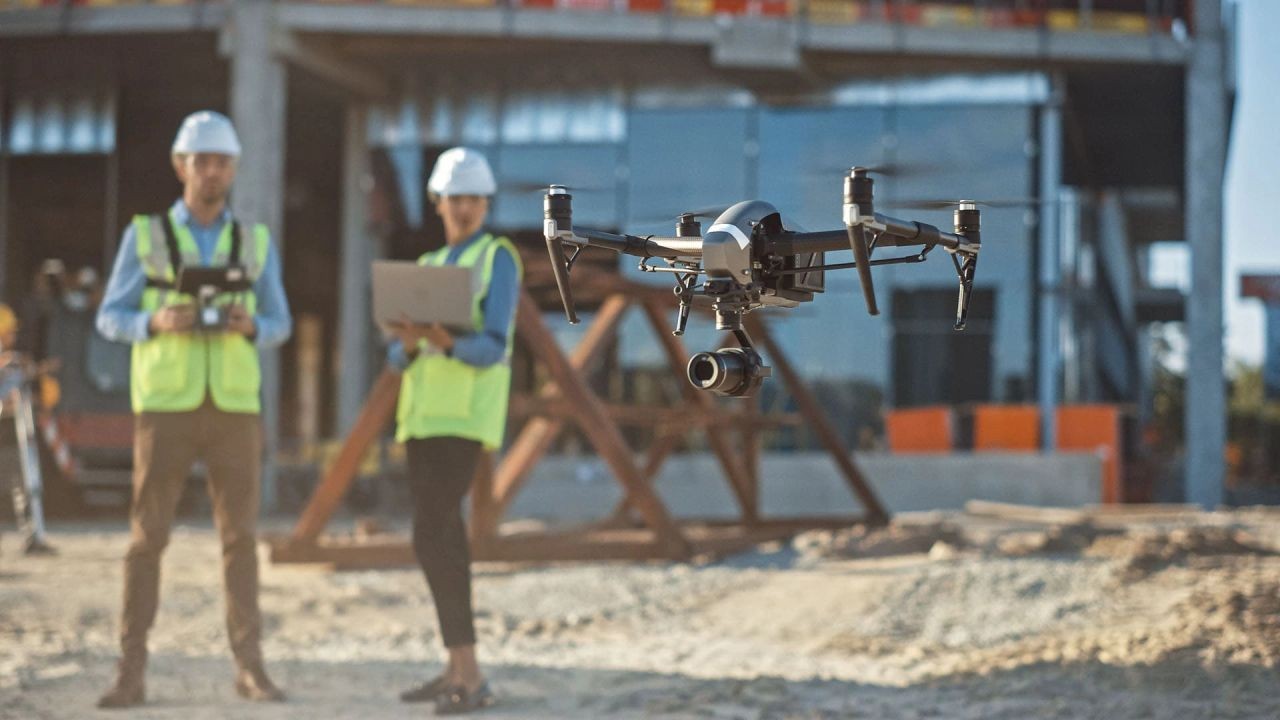
- Data Privacy Concerns: The use of drones and satellite imagery raises privacy issues that need to be addressed.
- Technological Limitations: AI models require significant data to be effective, which may not always be available for remote areas.
Myths and Misconceptions about AI in Archaeology
Despite its potential, several misconceptions surround the use of AI in archaeology:
- Myth: AI can fully automate archaeological processes.
- Reality: While AI enhances efficiency, human expertise is crucial for interpreting data and making informed decisions.
- Myth: AI is too costly for widespread use in archaeology.
- Reality: Initial costs are offset by long-term savings in time and resources, making it a cost-effective solution over time.
- Myth: AI will replace human archaeologists.
- Reality: AI acts as a tool to support archaeologists, not replace them, allowing for more focused and insightful work.
Future Trends and Predictions
The future of AI in archaeology is promising, particularly in Australia where the demand for preserving Indigenous heritage is strong. By 2030, it's expected that AI will be integrated into 70% of archaeological projects, enhancing both efficiency and cultural sensitivity (Source: CSIRO).
Moreover, as AI technology continues to evolve, we may see the development of more sophisticated models capable of identifying sites with minimal human intervention, further preserving the integrity of these sacred locations.
Conclusion
The integration of AI in identifying unmarked Indigenous burial sites presents a unique opportunity for preserving Australia's rich cultural heritage. By leveraging advanced technologies, Australia can lead in archaeological innovation while respecting the traditions and history of Indigenous communities. As we move forward, collaboration between technologists, archaeologists, and Indigenous leaders will be crucial in ensuring these projects are conducted ethically and effectively.
What’s Next? For businesses and researchers interested in exploring AI applications in archaeology, consider partnering with academic institutions or tech innovators in Australia who specialize in AI solutions. Together, we can pave the way for a future where technology and tradition coexist in harmony.
People Also Ask
- How does AI impact archaeology in Australia? AI enhances archaeological efficiency by up to 30%, reducing exploration time and preserving cultural sites with minimal disturbance.
- What are the challenges of using AI in archaeology? High initial costs and data privacy concerns are significant challenges, but long-term benefits often outweigh these hurdles.
- What future trends are expected in AI and archaeology? By 2030, AI is predicted to be integrated into 70% of archaeological projects, driving efficiency and cultural sensitivity (Source: CSIRO).
Related Search Queries
- AI in archaeology
- Indigenous burial sites Australia
- Ground Penetrating Radar technology
- AI applications in cultural preservation
- Machine learning in archaeology
- Archaeological innovations in Australia
- Preserving Indigenous heritage with AI
- Future of AI in archaeology
- AI ethics in cultural projects
- Challenges of AI in archaeology