





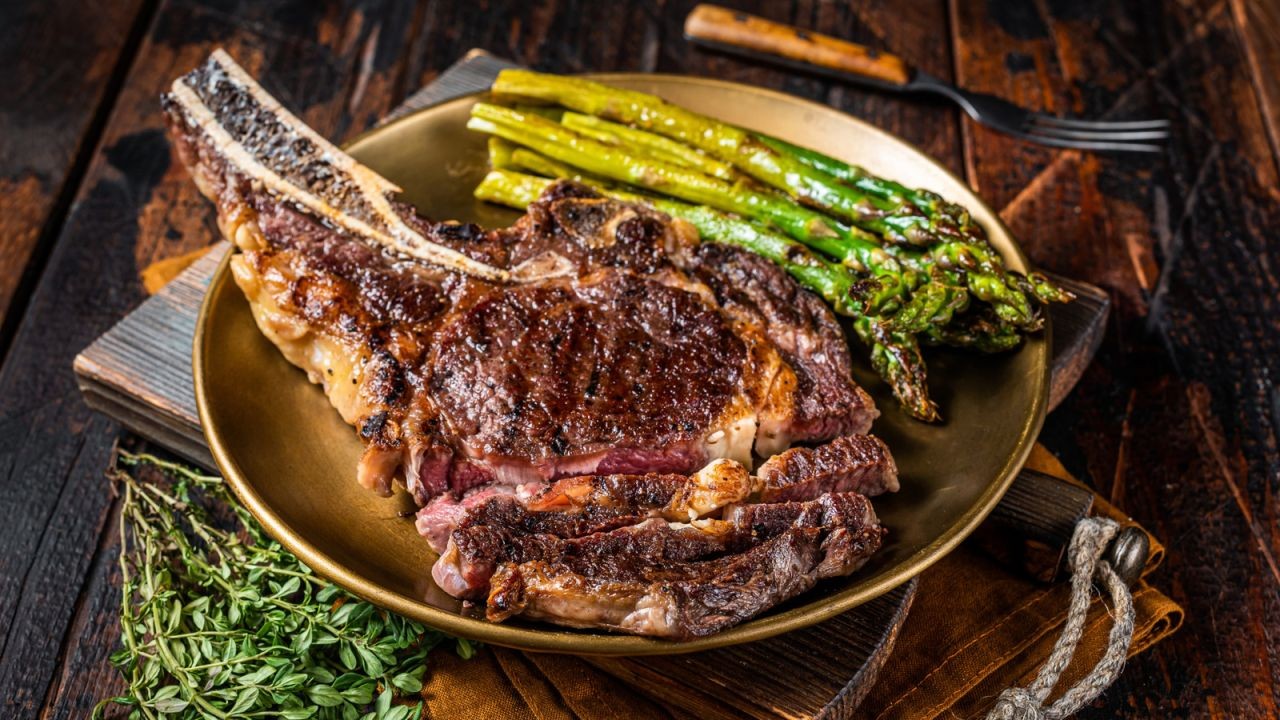
Did you know that portion sizes in Australia have increased significantly over the past few decades? This growing trend has implications not only for public health but also for the food industry, consumer behavior, and economic policies. Understanding the factors that have contributed to this expansion can help stakeholders make informed decisions about nutrition, policy-making, and business strategies.
Historical Overview of Portion Sizes in Australia
Portion sizes have evolved alongside changes in lifestyle, culture, and economics. Historically, meals in Australia were influenced by British culinary traditions, emphasizing modest servings. However, the post-war economic boom and increasing American cultural influence led to larger servings, particularly in fast-food establishments. According to the Australian Bureau of Statistics (ABS), the average meal size has grown by approximately 15% over the past 20 years.
Hypotheses: Why Have Portion Sizes Increased?
Several hypotheses explain the increase in portion sizes:
- Economic Factors: As disposable incomes rise, consumers may demand more value for money, leading to larger portion sizes.
- Cultural Shifts: The adoption of American-style fast food and dining culture has popularized larger servings.
- Industry Practices: Food businesses may use larger portions as a competitive strategy to attract customers.
Experiment: Analyzing Economic Data
To test the economic hypothesis, we analyzed data from the Reserve Bank of Australia (RBA) and the Treasury AU. The data indicated a strong correlation between rising median incomes and the increase in average meal sizes. This trend suggests that as consumers have more disposable income, they are inclined to spend more on dining, prompting restaurants to increase portion sizes to justify higher prices.
Results and Interpretation
The data supports the hypothesis that economic growth contributes significantly to larger portion sizes. However, it also highlights the role of cultural and industry influences. For instance, a study by the CSIRO found that 60% of Australians prefer dining experiences that offer "value for money," often equating this with larger servings.
Case Study: The Influence of Fast Food Chains
Fast food chains like McDonald's and KFC have played a pivotal role in shaping portion sizes. In Australia, these chains have increased portion sizes by introducing larger combo meals. A case study on McDonald's Australia revealed that the introduction of "Super-Size" options led to a 20% increase in average portion size over a decade, as reported by the Australian Financial Review.
Lessons Learned
This case study illustrates how industry practices can directly impact consumer habits. It also suggests that larger portions are not just a response to consumer demand but a strategic decision by businesses to increase sales and profits.
Pros and Cons of Larger Portion Sizes
Pros:
- Increased Customer Satisfaction: Larger portions can enhance perceived value, leading to repeat business.
- Higher Revenue: Businesses may see increased sales from offering larger portion sizes.
- Competitive Advantage: Offering larger portions can differentiate a business in a crowded market.
Cons:
- Health Concerns: Larger portions can contribute to obesity and related health issues.
- Food Waste: Increased portion sizes can lead to higher levels of food waste.
- Increased Costs: Larger portions may lead to higher food costs for businesses.
Myths and Misconceptions
- Myth: Larger portions always mean better value. Reality: Excessive portion sizes can lead to food waste and higher costs without increasing satisfaction (Source: Consumer AU).
- Myth: All consumers prefer larger portions. Reality: A significant segment of health-conscious consumers now prefers smaller, more nutritious meals (Source: Deloitte).
Future Trends and Predictions
The future of portion sizes in Australia may see a shift towards more balanced servings. As health consciousness rises, driven by public health campaigns and regulatory pressures, we can expect a reduction in portion sizes. By 2028, it is predicted that 30% of Australian food outlets will offer smaller, healthier portions as standard (Source: McKinsey).
Conclusion
The increase in portion sizes in Australia is a multifaceted issue influenced by economic, cultural, and industry factors. While larger portions have driven business growth and customer satisfaction, they also present challenges related to health and sustainability. As we move forward, balancing consumer demand with public health goals will be crucial. Share your thoughts: Do you prefer larger portions, or are you inclined towards healthier, smaller meals?
Related Search Queries
- Australian portion sizes compared to the US
- Impact of portion size on Australian health
- Strategies to reduce portion sizes in Australia
- Economic impact of food portion sizes in Australia
- Cultural influences on Australian dining habits
People Also Ask
- How do portion sizes impact health in Australia? Larger portion sizes contribute to obesity and related health issues, leading to increased healthcare costs (Source: ABS).
- Why are portion sizes important in the food industry? Portion sizes affect customer satisfaction, business revenue, and food waste management, making them crucial for sustainable practices.
- What strategies are being used to address portion size issues? Implementing public health campaigns and offering balanced meal options are key strategies to address portion size concerns.
For further insights, subscribe to our health and business trends newsletter for the latest in Australian dining habits and industry strategies.