





10 September 2025

How Many Australian Beaches Are Disappearing Due to Rising Seas – The Surprising Way It’s Affecting Australian Lives

Discover how rising sea levels are eroding Australian beaches and the unexpected impact on communities and lifestyles.

Miscellaneous & Other

87K Views

168 Share

Advertisement

Advertise With Vidude


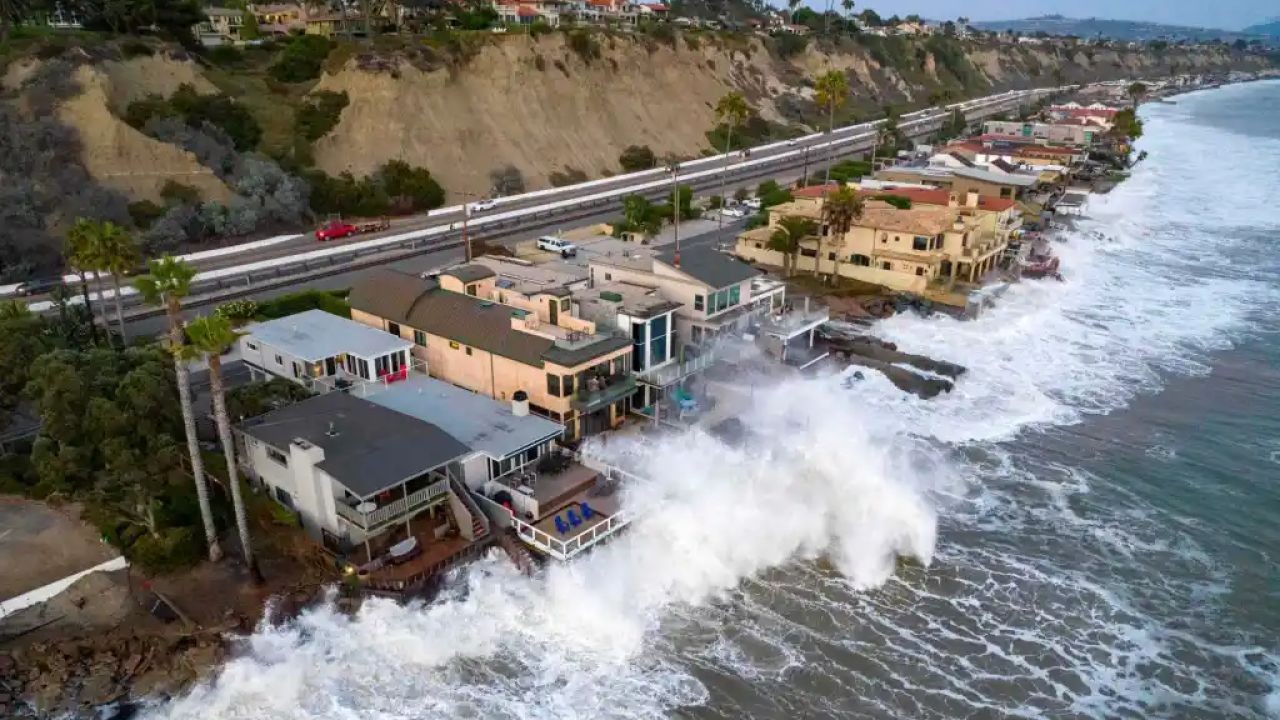
Did you know that rising sea levels are threatening the very essence of Australia’s coastal charm—its beaches? This alarming environmental shift is not just a concern for environmentalists or tourists, but it holds significant implications for property investors and the real estate market in Australia. As climate change accelerates, the disappearing beaches present both challenges and opportunities that require strategic foresight. This article will delve into the extent of beach erosion due to rising seas, its impact on property investments, and how savvy investors can navigate this evolving landscape.

Understanding the Scope of Beach Erosion in Australia

Australia is home to over 10,000 beaches, but many are at risk of erosion due to rising sea levels. According to the Australian Institute of Marine Science, approximately 50% of Australia’s sandy coastlines are experiencing erosion. This trend is driven by climate change, with the Intergovernmental Panel on Climate Change (IPCC) predicting a sea level rise of up to 1.1 meters by 2100 if emissions continue unchecked.

The Economic Impact on Coastal Properties

For property investors, the erosion of beaches can have a profound financial impact. Coastal properties, often considered prime real estate, are particularly vulnerable. A report from the Reserve Bank of Australia (RBA) highlights that properties in coastal regions could see a depreciation of up to 20% by 2050 if current trends persist. This presents a risk to property values, rental yields, and insurance premiums.

Regulatory Insights: Navigating Risks

The Australian Competition & Consumer Commission (ACCC) has underscored the importance of transparency in real estate transactions, particularly regarding environmental risks. Investors must be diligent in understanding local zoning laws and coastal management plans. The Australian Prudential Regulation Authority (APRA) has also advised lenders to consider climate risks when assessing property loans, indicating a shift towards more comprehensive risk assessments.

Case Study: Byron Bay – A Coastal Investment Dilemma

Problem: Byron Bay, a popular tourist destination, is facing significant beach erosion. This has led to concerns about the long-term viability of investing in local real estate.

Action: The local council implemented a coastal management strategy, including beach nourishment and seawall construction, to mitigate erosion and protect properties.

Result: While these measures have stabilized some areas, property values remain volatile. Investors are advised to weigh the benefits of tourism revenues against potential long-term depreciation.

Takeaway: Investors should closely monitor local government actions and environmental assessments. Sustainable investment strategies, such as eco-friendly developments, can offset potential losses.

Myths and Realities of Coastal Property Investment

  • Myth: All coastal properties will lose value.
  • Reality: While some areas are at risk, others with effective coastal management plans may maintain or even increase in value.
  • Myth: Insurance will cover all losses from erosion.
  • Reality: Many insurance policies exclude erosion-related damages, making it crucial for investors to understand their coverage.

Opportunities in the Face of Challenges

Despite the risks, there are opportunities for strategic investors. Properties in areas with proactive coastal management and sustainable development plans can offer lucrative returns. Furthermore, as demand for eco-friendly living spaces grows, investing in sustainable developments can provide a competitive edge.

Future Trends and Predictions

The future of Australian coastal real estate will be shaped by both environmental and regulatory developments. By 2030, it is expected that 70% of coastal councils will have implemented advanced coastal management strategies. This proactive approach could stabilize property values in key areas.

Additionally, the integration of technology in monitoring and managing coastal erosion will become more prevalent. Investors who leverage data analytics to assess risks and opportunities will be better positioned to make informed decisions.

Pros and Cons of Coastal Property Investment

Pros:

  • High Demand: Coastal properties remain desirable for their lifestyle and tourism appeal.
  • Potential High ROI: Strategic investments in well-managed areas can yield significant returns.
  • Sustainability Opportunities: Growing demand for eco-friendly properties.

Cons:

  • Environmental Risks: Erosion and climate change impacts.
  • Insurance Challenges: Limited coverage for erosion-related damages.
  • Regulatory Complexities: Navigating local zoning and environmental laws.

Conclusion

While the disappearance of Australian beaches poses significant challenges, it also offers unique opportunities for property investors willing to adapt and innovate. By understanding the risks and leveraging strategic insights, investors can navigate the evolving landscape of coastal real estate. As the climate continues to change, staying informed and proactive will be key to unlocking the potential of Australia’s coastal properties.

People Also Ask (FAQ)

  • How does rising sea levels impact property investments in Australia? Rising sea levels can lead to coastal erosion, affecting property values and insurance premiums, particularly in high-risk areas.
  • What are the best strategies for investing in coastal properties? Focus on areas with strong coastal management plans and consider eco-friendly developments to align with market demand.
  • What upcoming changes in Australia could affect coastal property investments? By 2030, increased coastal management initiatives are expected to stabilize property values in key areas.

Related Search Queries


0
 
0

15 Comments


While it's true that beaches are vanishing faster than my willpower at an all-you-can-eat buffet, perhaps this is an opportunity for Australians to embrace their inner mermaids and explore underwater living. Who knows? Maybe the next big trend will be beachside homes with a stunning view of the ocean floor!
0 0 Reply
With beaches vanishing faster than my kids can lose their shoes, it’s a race against time—who knew climate change would turn our coastline into a game of hide and seek? Let’s hope we find a way to keep our sandy treasures intact!
0 0 Reply

PaqDC Dispensary

3 months ago
It’s fascinating to think that while I’m procrastinating on the beach, the beach itself might be procrastinating on sticking around. Who knew climate change could turn our coastal hangouts into a disappearing act? At least I’ll have more time to binge-watch documentaries about it, right?
0 0 Reply

nolanarmfield7

3 months ago
While the headline "How Many Australian Beaches Are Disappearing Due to Rising Seas – The Surprising Way It’s Affecting Australian Lives" captures attention, there's definitely more to the story than what meets the eye. It’s not just about the beaches disappearing; it’s about the communities, the ecosystems, and the culture that tie us to these shores. The impacts are complex, involving economic factors, tourism, and even our local surf spots, which are dear to many of us. It would be interesting to dive deeper into how these changes are reshaping not just the landscape but also our way of life on the Gold Coast.
0 0 Reply

carltoncremean

3 months ago
It's wild to think that our beautiful beaches are vanishing; we really need to step up our climate game to protect these places and our communities.
0 0 Reply

MohitBISResearch

3 months ago
Wow, it's wild to think about how many of our beautiful Australian beaches are disappearing due to rising sea levels. Growing up on the Gold Coast, I've always taken those sun-soaked shores for granted, and it makes me wonder how future generations will experience the coastline. It's not just about losing a spot to surf; it’s about the whole vibe and lifestyle that comes with living near the ocean. I’d love to hear more about how this is impacting local communities and what we can do to help preserve these iconic places.
0 0 Reply

milosnelling41

3 months ago
Wow, it's wild to think about how climate change is impacting places I’ve always dreamed of visiting, like Australia’s beautiful beaches. I guess it really hits home when you realize it’s not just about the scenery, but the lives and communities connected to those shores. Makes me wonder how we can all play a part in protecting these natural treasures and what kind of future we’ll leave for the next generation. I’d love to hear more about the specific areas affected and what local communities are doing to adapt.
0 0 Reply

AngelikaEd

3 months ago
It's wild to think our beautiful beaches could vanish, impacting both nature and local communities; we really need to take action now to preserve our coastlines for future generations.
0 0 Reply

Rashmi Kandel

3 months ago
It's fascinating how the loss of these beaches isn't just an environmental issue, but a deeply personal one for many Australians; their memories, traditions, and sense of identity are intricately tied to these shores, illustrating that climate change impacts go far beyond statistics and graphs.
0 0 Reply

Georgie's Wine Shop

3 months ago
Ah, the great Australian beach dilemma—just when you think you’ve found the perfect spot for a sunset, Mother Nature decides to change the tide. It’s like that time I took a day trip to the Gold Coast only to discover my favorite surf break had mysteriously vanished. At least in Wellington, we can always count on the wind to keep us grounded, even if our coffee sometimes feels like it’s swirling away with the sea foam. Meanwhile, Australians are probably debating whether to surf on the sand or just invest in an inflatable pool. It’s a tough call, but at least they have plenty of time to perfect their beachside BBQ techniques while the tide does its thing. At the end of the day, though, there’s nothing like a good old Kiwi coffee to remind us that some things—like caffeine—are still here to stay.
0 0 Reply

MiaOsborn

3 months ago
In considering the impact of rising sea levels on Australian beaches, how might we reconcile the urgent need for environmental conservation with the economic interests of communities that rely heavily on coastal tourism? This could lead to a broader discussion on sustainable practices that balance ecological health with the livelihoods of those affected.
0 0 Reply

peterjonespj

3 months ago
Wow, it’s crazy to think about how rising sea levels are literally reshaping Australia’s coastline. Beaches are such a huge part of life there, and losing them must be really tough for local communities. It makes you realize how climate change is impacting everyday people, not just nature.
0 0 Reply

royalcustomhomesllc

3 months ago
It’s wild to think that our favorite beach spots could vanish, but it’s more than just sand; it’s affecting homes, wildlife, and the whole vibe of coastal communities.
0 0 Reply
It's fascinating yet alarming to think about how climate change is directly impacting our beautiful coastlines. I grew up visiting the beach every summer, and the thought of losing those familiar spots is really unsettling. I wonder how these changes are affecting local communities, not just in terms of tourism and economy, but also in terms of cultural identity. It makes me think about what we can do to help preserve these natural treasures. How do you all feel about the future of our beaches?
0 0 Reply

FranciscoC

3 months ago
Just read about how many Australian beaches are disappearing because of rising sea levels—it's pretty eye-opening. It's not just about losing beautiful spots; it’s affecting people's homes and livelihoods too. Makes you think about how connected we all are to these places and the impact of climate change. Hope we can find ways to protect what’s left before it’s too late.
0 0 Reply
Show more

Related Articles