







In recent years, the convergence of artificial intelligence (AI) and the music industry has sparked a significant debate about the future of music creation and distribution, especially in regions like Australia. With the rapid advancements in AI technology, the question arises: Will AI-generated music take over the Australian music industry?
What is AI-Generated Music?
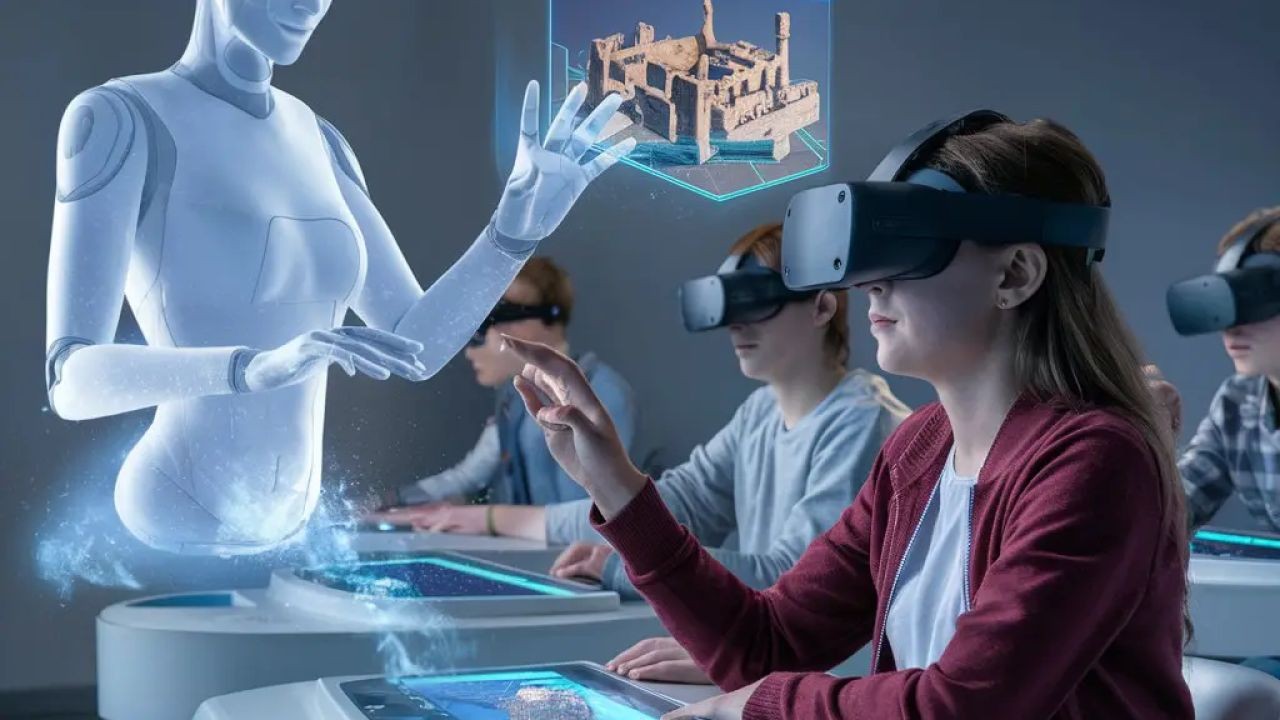
AI-generated music refers to compositions created using algorithms that can analyze existing musical patterns and generate new ones. These algorithms can produce original compositions or assist human artists in the creative process. The technology is gaining traction due to its ability to churn out music faster and sometimes more economically than traditional methods.
How is AI Impacting the Australian Music Industry?
Australia's music industry, valued at approximately AUD 1.5 billion in recent years, is undergoing a transformation with AI's integration. According to a report by the Australian Bureau of Statistics, technology adoption in creative industries has grown by 30% over the past five years. This growth is attributable to AI's capacity to streamline music production, enhance sound quality, and personalize consumer experiences.
Case Study: Amper Music in the Australian Context
Amper Music, an AI-driven music composition platform, has made significant inroads in Australia. The platform enables users to create music by specifying genre, mood, and instrumentation. A local indie band, The Synths, faced a tight deadline for an album release. By leveraging Amper, they composed three tracks in under a week, saving both time and cost. The album's success underscored AI's potential in efficiently meeting production demands without compromising quality.
What are the Pros and Cons of AI-Generated Music?
Pros:
- Cost-Effective Production: AI reduces the need for expensive studio time and session musicians.
- Time Efficiency: Music can be produced at a much faster rate, addressing the industry's fast-paced demands.
- Enhanced Creativity: AI can assist artists by generating unique sound patterns, sparking new creative ideas.
- Market Expansion: AI-generated music can appeal to various niches, expanding market reach.
Cons:
- Quality Concerns: AI music may lack the emotional depth and originality of human compositions.
- Ethical Issues: There are ongoing debates about authorship and copyright for AI-generated works.
- Employment Impact: Increased AI use could reduce demand for traditional musicians and composers.
- Cultural Impact: Over-reliance on AI may homogenize music, undermining cultural diversity.
Are There Ethical Concerns with AI in Music?
Yes, ethical concerns abound. The Australian Competition & Consumer Commission (ACCC) has raised questions about ownership and royalties for AI-generated music. Additionally, there's the issue of transparency—listeners often remain unaware of whether the music they enjoy is human- or AI-generated. This lack of transparency can impact consumer trust and artist credibility.
How Does AI-Generated Music Compare Globally and Locally?
Globally, AI-generated music is gaining momentum, with platforms like OpenAI's Jukebox pushing boundaries. However, Australia's unique cultural landscape presents both challenges and opportunities. While AI can help local artists reach international audiences, it must align with Australia's rich musical heritage. The Reserve Bank of Australia notes that technology's role in cultural exports is pivotal for economic growth, making AI a double-edged sword in preserving and innovating musical traditions.
Common Myths About AI-Generated Music
- Myth: AI music is devoid of emotion. Reality: AI can analyze emotional patterns from existing music to produce emotionally resonant compositions.
- Myth: AI will replace human musicians. Reality: AI serves as a tool to enhance human creativity rather than replace it, as seen in collaborative efforts.
- Myth: AI music is all the same. Reality: AI can produce diverse compositions by learning from various genres and styles.
What Does the Future Hold for AI in the Australian Music Industry?
Looking ahead, AI's role in the Australian music industry is poised to grow. By 2028, experts predict that AI will contribute to 25% of music production processes, as artists increasingly embrace technology for efficiency and innovation. However, balancing technological advancement with cultural preservation will be crucial.
Conclusion
AI-generated music offers exciting possibilities for Australia's music industry. While it presents challenges, such as ethical considerations and potential job displacement, its benefits in terms of efficiency and creativity cannot be ignored. As the industry evolves, it will need to find a balance that embraces AI while preserving the human touch that makes music so powerful.
Final Takeaways
- AI's Role: AI is a tool to enhance creativity, not replace musicians.
- Ethical Considerations: Addressing ownership and transparency issues is crucial for AI music's acceptance.
- Global Trends: Australia must balance technological innovation with cultural preservation.
- Future Outlook: AI's integration in music production will likely increase, providing new opportunities for artists.
People Also Ask
- How does AI-generated music impact musicians in Australia? AI can assist musicians in creating music more efficiently, but it also raises concerns about job displacement and the need for new skill sets.
- What are the biggest misconceptions about AI-generated music? A common myth is that AI music lacks emotion, but AI can analyze emotional patterns and generate resonant compositions.
- What are the best strategies for integrating AI in music production? Collaborating with AI as a creative partner and ensuring transparency in AI's role can maximize benefits while maintaining artistic integrity.
Related Search Queries
- AI music Australia
- AI in the music industry
- AI-generated music ethics
- Future of music in Australia
- AI music platforms
- Impact of AI on musicians
- AI music composition tools
- AI and cultural preservation
- AI in Australian creative industries
- Music industry trends Australia



























Nijer itbd
3 months ago