





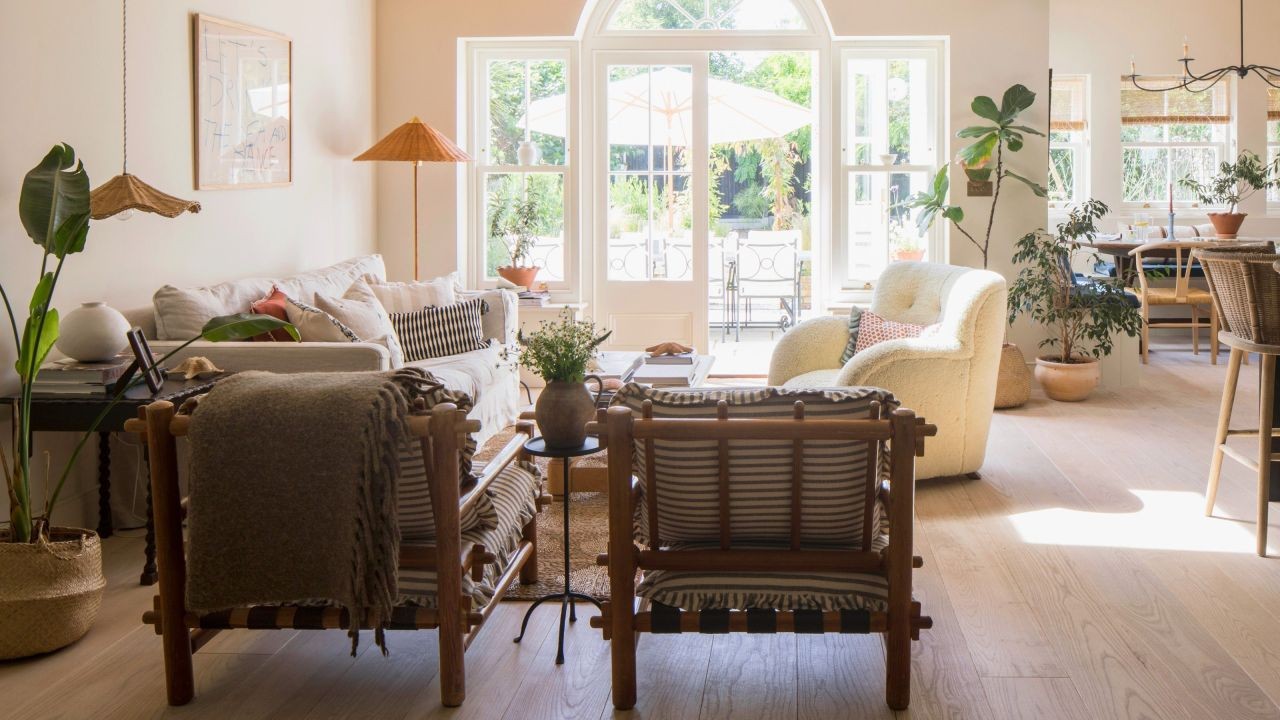
In the midst of a design revolution, the once-beloved open-plan living spaces are witnessing a shift in popularity. This architectural trend, which peaked in the early 2000s, is now facing scrutiny and losing favor among homeowners and designers alike. As we delve into the reasons behind this decline, it becomes essential to understand how these shifts affect property values, investment strategies, and the broader New Zealand housing market.
The Rise and Fall of Open-Plan Living
Open-plan living spaces, characterized by expansive, barrier-free layouts, were once hailed as the epitome of modern design. They promised a seamless flow between living, dining, and kitchen areas, encouraging interaction and maximizing natural light. However, as societal needs and lifestyle preferences evolve, the drawbacks of such spaces are becoming increasingly apparent.
1. The Reality of Privacy Needs
Contrary to the initial allure of openness, many homeowners are now prioritizing privacy and noise control—factors that open-plan spaces inherently lack. In New Zealand, where families often juggle remote work and schooling, the demand for private, quiet areas has surged. According to a 2023 report by Stats NZ, 58% of households expressed a preference for homes with distinct, separate rooms to accommodate their work and study needs.
2. Energy Efficiency Concerns
Open-plan designs require significant energy to maintain comfortable temperatures, especially in New Zealand's variable climate. The Ministry of Business, Innovation and Employment (MBIE) highlights that homes with large open areas often face higher heating and cooling costs. With energy prices rising, homeowners are increasingly seeking designs that offer thermal efficiency, such as those with compartmentalized spaces that can be heated or cooled individually.
3. A Shift Toward Sustainable Living
The global trend towards sustainability is impacting New Zealand's housing market. Open-plan spaces, which require extensive structural support and materials, often contradict eco-friendly building principles. As sustainability becomes a critical consideration, more Kiwis are opting for homes that minimize waste and maximize resource efficiency, challenging the traditional open-plan model.
4. Resale Value Implications
Real estate experts in New Zealand have noticed a shift in buyer preferences, affecting the resale value of open-plan homes. According to a 2023 survey by the Real Estate Institute of New Zealand (REINZ), houses with designated rooms sold 15% faster than their open-plan counterparts, indicating a market shift towards more versatile living spaces. This trend suggests that investors and homeowners may need to reconsider the open-plan layout if they wish to optimize property value.
5. The Psychological Impact
While open spaces were initially celebrated for their aesthetics, emerging research highlights their potential negative psychological impact. The lack of defined boundaries can lead to a sense of chaos, overwhelming individuals who thrive on organization and order. In New Zealand, where the emphasis on well-being is paramount, this has led to a reconsideration of interior design that prioritizes mental health.
Case Study: The Transformation of a Wellington Suburb
In the Wellington suburb of Karori, a notable shift from open plans to compartmentalized living has occurred. Developers have started incorporating separate spaces in new builds, responding to buyer demand for privacy and efficiency.
Problem: A recent development faced slow sales due to its predominantly open-plan design, which failed to attract families needing distinct spaces for work and leisure.
Action: The developers revamped the layout to include additional walls and doors, creating separate rooms for home offices and studies.
Result: Following these changes, the development sold out within four months, and subsequent projects in the area have adopted similar designs.
Takeaway: This case underscores the importance of adapting to market demands and highlights the growing preference for homes that offer both privacy and functionality in New Zealand's housing market.
Debunking Myths About Open-Plan Living
- Myth: Open-plan spaces are always more valuable.
- Reality: While initially popular, the resale value of open-plan homes is declining as buyer preferences shift towards compartmentalized designs.
- Myth: Open-plan designs are more energy-efficient.
- Reality: In contrast, these spaces often incur higher energy costs due to their large, undivided areas.
- Myth: Open-plan living is universally preferred.
- Reality: Privacy and noise control are increasingly prioritized, with many homeowners opting for traditional layouts.
Future Trends and Predictions
As we look to the future, several trends are likely to influence New Zealand's housing market. The emphasis on sustainability will continue to favor designs that minimize environmental impact, while smart home technology will enable more efficient use of space without sacrificing privacy. Additionally, the rise of remote work may lead to a resurgence in home offices, further driving demand for more defined living areas.
Conclusion
As open-plan living spaces lose their allure, it's crucial for homeowners, investors, and developers in New Zealand to adapt to changing preferences. By prioritizing privacy, energy efficiency, and sustainability, they can ensure their properties remain attractive and valuable in a dynamic market.
Final Takeaway: Understanding these shifts and aligning with evolving trends will be key to success in the real estate landscape. What are your thoughts on the future of New Zealand's housing market?
People Also Ask
- How does the decline of open-plan spaces impact New Zealand homeowners? The shift towards more defined living areas aligns with increased demand for privacy and energy efficiency, affecting property values and design trends.
- What are the biggest misconceptions about open-plan living? Many believe open-plan spaces are more valuable and efficient, but rising energy costs and changing buyer preferences debunk this myth.
- What future trends will influence New Zealand's housing market? Sustainability and smart home technology are expected to drive demand for versatile, energy-efficient homes with designated spaces for work and leisure.
Related Search Queries
- Open-plan living spaces trends 2023
- Impact of open-plan design on property value
- Energy efficiency in New Zealand homes
- Privacy needs in modern home design
- Sustainable housing trends in New Zealand
- Future of real estate in New Zealand
- Home design preferences in New Zealand
- Remote work and home office design trends
- New Zealand housing market predictions 2025
- Smart home technology and privacy