



Imagine a place where rolling green hills, rugged coastlines, and ancient forests aren't just scenery—they're characters. For decades, the silver screen has served as the world's most powerful travel brochure, transforming filming locations into pilgrimage sites for millions. While Australia's 'Crocodile Dundee' and 'The Great Gatsby' have long drawn visitors to the Outback and Sydney's glittering shores, the phenomenon of film-induced tourism is a global force with profound lessons, especially for a nation like New Zealand that has mastered the art of turning cinematic magic into economic momentum. The impact of international productions on Australian tourism is a compelling story of visibility, but it's one that demands a strategic look beyond the premiere hype to understand the lasting legacy—or lack thereof—for local communities and businesses.
The Silver Screen's Golden Ticket: How Film Drives Destination Desire
The connection between film and travel is deeply psychological. A powerful narrative transports the viewer, creating an emotional bond with a location that no traditional advertisement can match. This isn't just anecdotal; it's a measurable economic driver. For instance, after the release of The Lord of the Rings trilogy, Tourism New Zealand reported that 6% of all international visitors cited the films as a key reason for their travel, a figure that peaked at 13% for UK visitors. This "Middle-earth effect" wasn't accidental; it was the result of a seamless, two-decade-long partnership between the film industry, tourism bodies, and local operators.
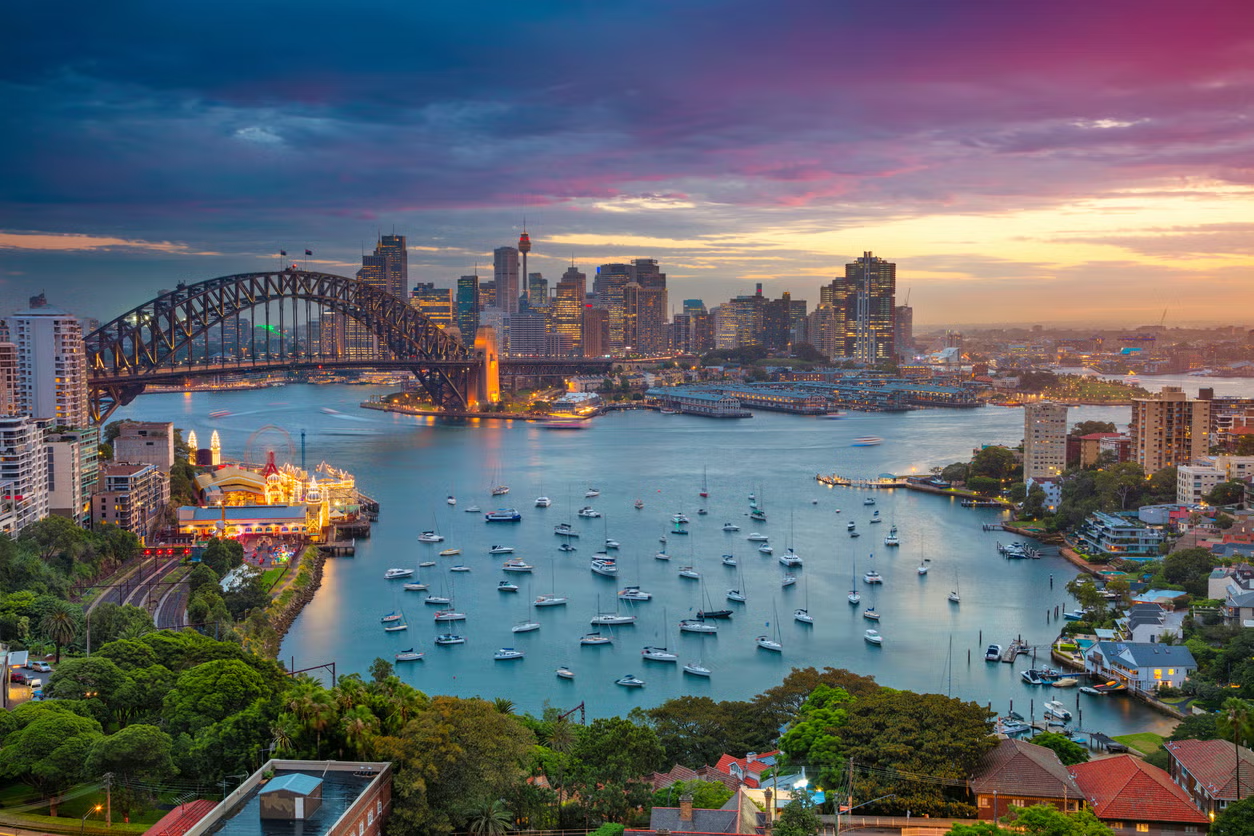
Australia has seen similar surges. The release of Crocodile Dundee in the 1980s sparked a 30% increase in tourism from North America, with visitors eager to experience the mythologized Outback. More recently, the filming of Thor: Ragnarok on the Gold Coast and The Great Gatsby in Sydney provided significant international exposure. However, the critical insight from my experience supporting Kiwi companies in the tourism sector is that exposure alone is not a strategy. Australia's approach has often been more passive, relying on the sheer scale and recognizability of its landmarks. New Zealand's lesson is that proactive, integrated marketing that extends the film's narrative into tangible visitor experiences is what converts casual interest into long-term tourism growth.
Key Actions for Tourism Operators
For any destination, the goal is to move a viewer from a state of "I've seen that place" to "I must experience that place." Drawing on my experience in the NZ market, the most successful operators do this by:
- Creating Authentic Story Extensions: Don't just offer a bus tour to a filming site. Develop experiences that immerse visitors in the world of the film. For example, Hobbiton™ in Matamata isn't just a set visit; it's a fully realized village with themed dining and evening events, effectively turning a movie set into a standalone destination.
- Collaborating Across the Value Chain: From transport and accommodation to food and beverage, ensuring every touchpoint can reference and enhance the film narrative creates a cohesive and powerful visitor journey.
- Planning for the Long Haul: The tourism boom from a major film can last 5-10 years with proper management. This requires investment in maintaining sites, training guides in storytelling, and continually refreshing marketing content.
A Tale of Two Strategies: Australia's Scale vs. New Zealand's Synergy
Comparing the Australian and New Zealand approaches reveals a fascinating contrast in philosophy and outcome. Australia benefits from an inherent advantage: globally iconic, instantly recognizable landscapes like the Sydney Opera House and Uluru. Major international productions are drawn to these landmarks, generating automatic publicity. The 2023 MBIE report on screen tourism indicates that while this provides a strong baseline of interest, it can lead to a "scattergun" effect, where tourism spikes are concentrated in already-popular hubs without significantly dispersing economic benefits to regional areas.
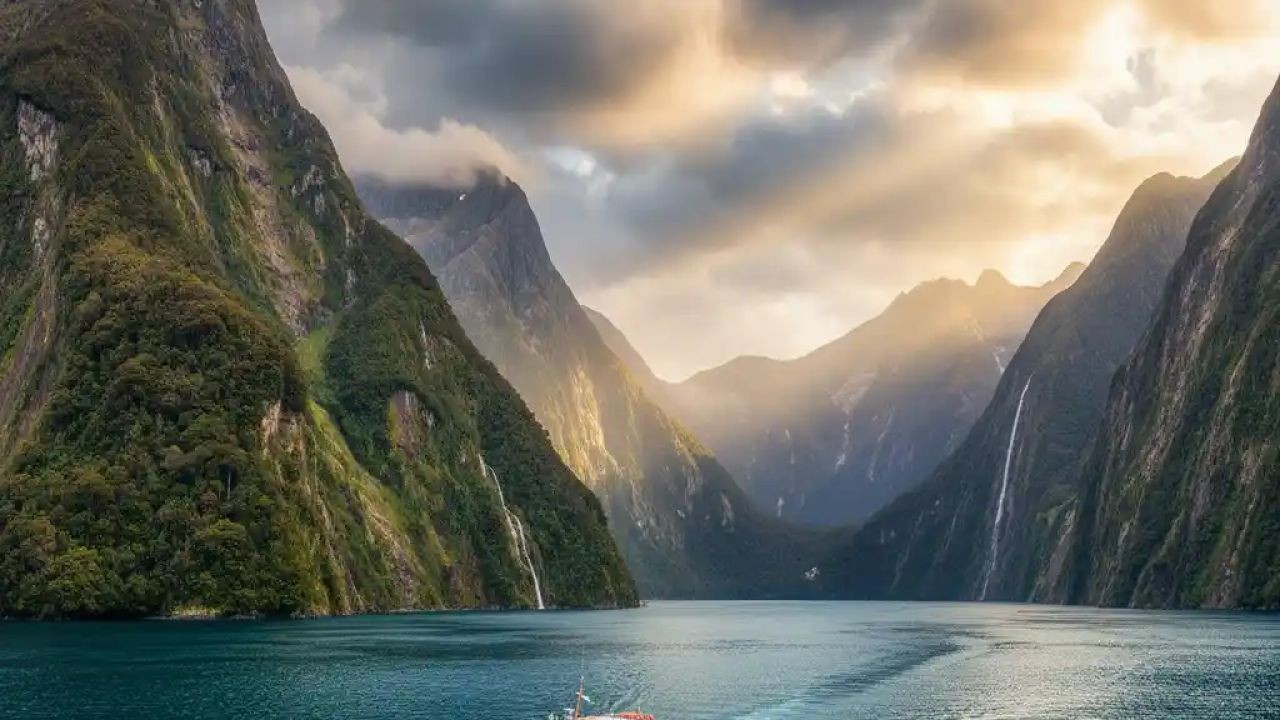
New Zealand, conversely, turned a perceived lack of globally known landmarks into a strength. Through my projects with New Zealand enterprises in the screen sector, I've seen firsthand the deliberate strategy of using film to create iconic destinations. The partnership between the New Zealand government and Warner Bros. for The Lord of the Rings and The Hobbit is the seminal case study. It included aggressive incentive schemes, but more importantly, it embedded tourism strategy into the deal from day one. The result? Locations like Tongariro National Park (Mt. Doom), Mackenzie Country (Edoras), and the Waitākere Ranges (multiple scenes) were etched onto the global travel map.
Case Study: New Zealand's "Middle-earth" Model – From Film Set to Economic Powerhouse
Problem: In the late 1990s, New Zealand faced the challenge of standing out in a crowded South Pacific tourism market. It possessed stunning but anonymous landscapes. The production of The Lord of the Rings trilogy presented a monumental opportunity, but without a coordinated strategy, the long-term tourism benefits risked being fleeting and disorganized.
Action: The New Zealand government and Tourism NZ executed a masterful, integrated campaign:
- Financial Incentives: A large-budget screen production grant was established, making NZ a competitive filming destination.
- Brand Alignment: Tourism NZ famously adopted "100% Pure New Zealand" and later "Middle-earth" as complementary branding, featuring film imagery in all international marketing.
- Experience Development: They worked with landowners and operators to develop sustainable, high-quality visitor experiences at filming locations, with Hobbiton being the prime example of a permanent, purpose-built attraction.
- Industry Upskilling: The production served as a training ground for a world-class local film crew and tourism workforce.
Result: The outcomes transformed the industry:
- International visitor arrivals attributed directly to the films consistently ranged between 6-10% for over a decade.
- Hobbiton Movie Set alone attracts over 700,000 visitors annually, contributing an estimated NZD $75 million to the regional economy (source: MBIE Screen Tourism Report).
- New Zealand's screen industry workforce grew exponentially, leading to a sustainable ecosystem that continues to attract major productions like Avatar and The Power of the Dog.
Takeaway: This case study proves that film tourism's greatest value isn't the one-off production spend, but the creation of a permanent, marketable asset. The key was treating the film not as a single marketing campaign, but as the foundation for a new, enduring pillar of the national tourism identity. Australian regions can learn from this by moving beyond showcasing existing icons and using films to intentionally craft and promote new, dispersed destination stories.
The Hidden Challenges: Debunking Myths of the Film Tourism Boom
While the benefits are glamorous, a responsible analysis requires examining the pitfalls and pressures. Based on my work with NZ SMEs in destination management, the post-film landscape is often fraught with misconceptions that can lead to poor planning and community strain.
Common Myths & Mistakes
Myth 1: "Any filming activity guarantees a tourism windfall." Reality: Only a fraction of productions generate significant tourism interest. It typically requires a globally successful, visually stunning film with a strong location narrative. A small indie drama filmed in a suburb will not have the same effect as a blockbuster fantasy epic. From observing trends across Kiwi businesses, the mistake is assuming all screen production is equal for tourism. The focus must be on attracting and facilitating the right kind of productions.
Myth 2: "The economic benefits are overwhelmingly positive and evenly distributed." Reality: The influx can strain local infrastructure, inflate costs for residents, and lead to "overtourism" at fragile sites. In New Zealand, concerns have been raised about the environmental impact on sensitive areas like the Tongariro Alpine Crossing. The 2022 Stats NZ data on regional tourism pressure shows that managing visitor density and ensuring environmental sustainability are now primary concerns, not just celebrating arrival numbers.
Myth 3: "If you build it (a film set), they will come forever." Reality: Visitor interest naturally decays over time without active management and reinvestment. Attractions must evolve. Hobbiton succeeded by adding the Green Dragon Inn and banquet experiences, constantly refreshing the offering. A static, poorly maintained site will see visitor numbers—and economic returns—diminish rapidly.
Future Reels: The Next Act for Screen Tourism
The future of film-induced travel is moving beyond physical locations and into digital realms and sustainable narratives. The rise of virtual production (using LED walls) might seem to threaten location shooting, but it actually creates new opportunities. These high-tech studios themselves can become tourist attractions, offering behind-the-scenes "how movie magic is made" experiences. Wellington's Wētā Workshop already excels at this, blending a working studio with a public attraction.
Furthermore, the global demand for sustainable travel will force a reckoning. Future partnerships, like those potentially fostered by New Zealand's refreshed Screen Production Grant, will likely include stronger stipulations for environmental management and community benefit sharing. The next iconic film tourism campaign won't just sell a beautiful place; it will sell a story of a place that is cared for, respected, and shared responsibly.
Next Steps for Kiwi Tourism and Screen Sectors
For New Zealand to maintain its edge, and for Australia to refine its approach, several actions are critical:
- Deepen Data Integration: Use tools like Stats NZ's Integrated Data Infrastructure (IDI) to precisely track the long-term tourism and employment outcomes of specific productions, enabling smarter incentive decisions.
- Develop Regional Resilience Plans: Work with regional tourism organisations (RTOs) and local councils to ensure infrastructure and community well-being are prioritized in any screen tourism strategy, preventing overtourism.
- Embrace the Digital Extension: Develop augmented reality (AR) experiences that allow visitors to interact with film scenes on location, and create high-quality virtual tours for global audiences who cannot travel, opening a new revenue stream.
Final Takeaway & Call to Action
The impact of international film on Australian tourism underscores a universal truth: stories are the most potent currency in travel. Australia's journey shows the power of iconic backdrops, while New Zealand's masterclass in synergy demonstrates that the real magic happens when the film industry and tourism sector operate not as separate entities, but as co-authors of a nation's story. The lesson for destinations worldwide is to be proactive, not passive. Don't just hope a film showcases your scenery; craft policies, partnerships, and experiences that ensure when the credits roll, the economic and cultural story for your region is just beginning.
Ready to explore how screen narratives shape real-world journeys? Dive deeper into the data from the New Zealand Ministry of Business, Innovation and Employment (MBIE) on screen tourism, and consider how your next travel choice might be inspired by a story told on film. Share your own experiences of visiting a film location in the comments below—what made it feel authentic, or what fell short? The conversation between the reel and the real is one we can all contribute to.
People Also Ask (FAQ)
What is the most successful example of film tourism in the world? New Zealand's "Middle-earth" tourism, driven by The Lord of the Rings and The Hobbit trilogies, is widely considered the most successful and sustained campaign. It transformed unknown landscapes into global destinations, with Tourism NZ reporting a direct influence on over 1.5 million international visitors over a decade.
Does film tourism have negative impacts? Yes, if unmanaged. Potential negatives include overtourism straining local infrastructure and environment, disruption to residents, and the commodification of culture. Successful strategies, like those in NZ, now include mandatory sustainability and community impact assessments.
How can a small business benefit from a film shooting locally? Beyond direct contracting (catering, logistics), savvy businesses create film-themed offerings post-production—e.g., a café creating a "location scout" coffee trail, or a hotel offering a "cast & crew" package. The key is to authentically link your service to the narrative of the film.
Related Search Queries
- New Zealand film tourism statistics MBIE
- Lord of the Rings tourism economic impact
- Australian movie locations to visit
- Screen production grant New Zealand 2024
- How does film affect tourism?
- Overtourism film locations solutions
- Best film set tours Australia vs New Zealand
- Virtual production impact on location tourism
- Sustainable film tourism practices
- Community benefits of film-induced tourism
For the full context and strategies on the impact of international film productions on Australian tourism. – The Future Outlook for New Zealand, see our main guide: Construction Safety Training Nz.