





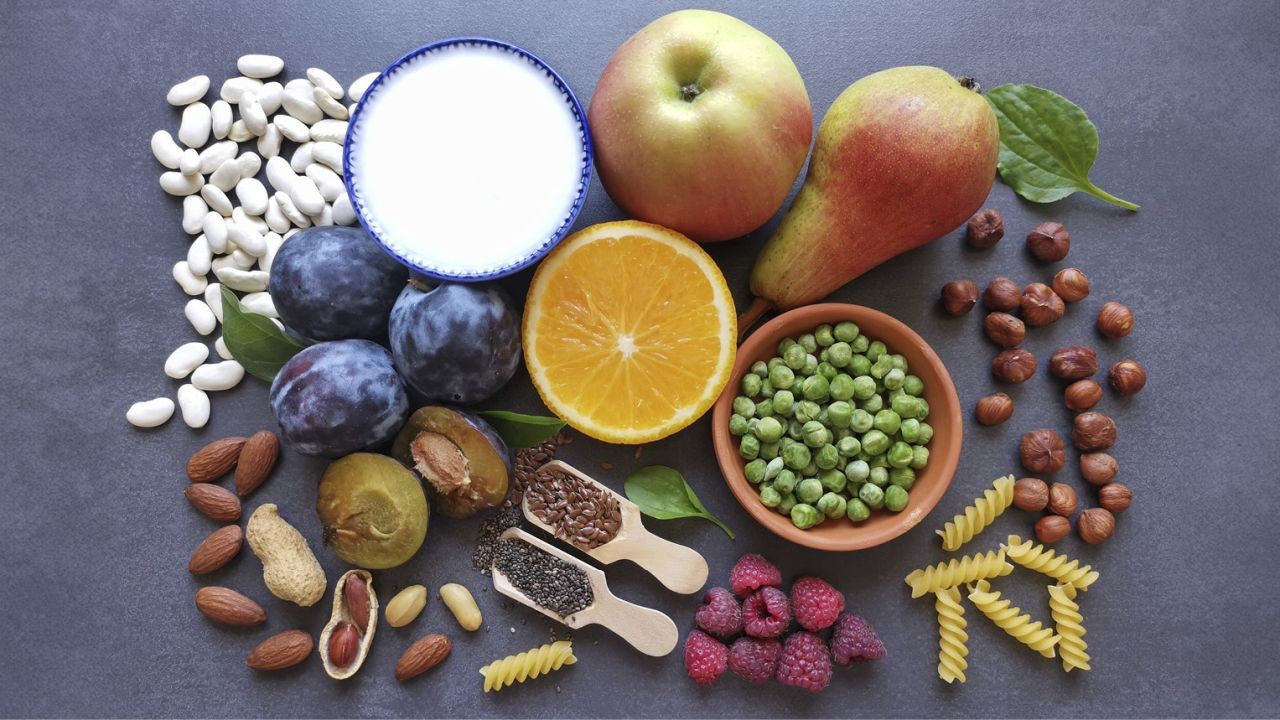
In recent years, the concept of gut health has gained significant attention both globally and in New Zealand. A healthy gut is increasingly recognized as pivotal not only for digestive well-being but also for its broader impact on mental health, immunity, and overall quality of life. This article delves into why consuming a variety of foods is essential for maintaining optimal gut health, with a focus on the unique insights relevant to New Zealand.
Why is Gut Health Important?
Gut health is a cornerstone of overall health, influencing everything from digestion to immunity. In New Zealand, where the population enjoys a diverse diet due to its rich agricultural landscape, gut health has become a topic of interest. Research from the University of Auckland highlights that a balanced gut microbiome can reduce the risk of chronic diseases such as obesity and type 2 diabetes, both of which are prevalent in the Kiwi population.
How Does a Diverse Diet Affect Gut Health?
The diversity of the gut microbiome is directly influenced by the variety of foods we consume. A study published by Massey University found that individuals who consume a wide range of fruits, vegetables, and whole grains have a more varied gut microbiome, which is essential for robust health. This diversity helps in breaking down nutrients, producing vitamins, and protecting against harmful pathogens.
What Role Does New Zealand's Agriculture Play?
New Zealand's agricultural sector, a significant contributor to the national GDP, provides a vast array of fresh produce. The Ministry of Business, Innovation, and Employment (MBIE) reports that the availability of seasonal fruits and vegetables supports a diverse diet. This agricultural abundance not only aids in maintaining gut health but also supports local economies and sustainability efforts.
Are There Economic Implications of Poor Gut Health?
Poor gut health can lead to increased healthcare costs and lost productivity. According to the Reserve Bank of New Zealand, healthcare expenditures related to lifestyle diseases, which are often linked to poor gut health, are rising. Promoting a diversified diet could alleviate some of these economic burdens by reducing the prevalence of gut-related health issues.
Case Study: The Impact of Diet Diversity in New Zealand
Case Study: Wholesome Foods Ltd – Enhancing Employee Well-being
Problem: Wholesome Foods Ltd, a mid-sized company in Auckland, noticed a decline in employee productivity and an increase in sick leaves. Internal surveys revealed that employees were experiencing frequent digestive issues.
Action: The company collaborated with nutritionists to introduce a diverse menu in their cafeteria, emphasizing locally-sourced fruits, vegetables, and whole grains. They also conducted workshops on the importance of a varied diet for gut health.
Result: Within six months, employee sick leaves decreased by 20%, and productivity metrics improved by 15%. The initiative not only fostered a healthier workforce but also highlighted the importance of diet diversity.
Takeaway: This case underscores the impact of dietary diversity on health and productivity, illustrating how businesses can benefit from promoting varied diets.
What Are Common Myths About Gut Health?
- Myth: Probiotics are the only solution for gut health.
- Reality: While probiotics are beneficial, a diverse diet rich in fiber, fruits, and vegetables is crucial for maintaining gut microbiome diversity.
- Myth: All fermented foods are beneficial.
- Reality: Not all fermented foods have probiotics. It’s essential to choose those with live cultures for gut health benefits.
Pros and Cons of a Diverse Diet
Pros:
- Improved Gut Diversity: A varied diet enhances microbiome diversity, crucial for gut health.
- Reduced Disease Risk: Linked to a lower risk of chronic diseases like obesity and diabetes.
- Enhanced Immunity: A healthy gut boosts the immune system, reducing illness frequency.
Cons:
- Cost: Maintaining a diverse diet can be more expensive, particularly in urban areas.
- Time-Consuming: Preparing a variety of meals may require more time and effort.
Future Trends in Gut Health and Diet Diversity in New Zealand
As awareness of gut health continues to rise, New Zealand is likely to see increased demand for diverse, locally-sourced foods. According to a report by NZTech, technological advancements in agriculture will further support this trend by increasing the availability of a wider range of produce. By 2028, it is expected that 50% of New Zealand households will prioritize gut health in their dietary choices.
Conclusion
Eating a variety of foods is essential for maintaining gut health, and New Zealand's rich agricultural landscape provides an excellent foundation for this. By embracing a diverse diet, Kiwis can not only enhance their gut health but also support local economies and sustainable practices. As we move forward, prioritizing gut health could lead to a healthier, more productive society.
Final Takeaway & Call to Action
Ready to improve your gut health? Start by incorporating a wider variety of fruits, vegetables, and whole grains into your diet. Share your journey and tips with others to inspire a healthy lifestyle shift.
People Also Ask (FAQ)
- How does a diverse diet impact gut health? A diverse diet enhances the gut microbiome's diversity, crucial for improved digestion and immunity.
- What are common misconceptions about gut health? Many believe probiotics are the sole solution, but diet diversity plays a key role.
- What benefits do Kiwi businesses see from promoting diverse diets? Companies report improved employee productivity and reduced sick leaves.
Related Search Queries
- Gut health importance in New Zealand
- Benefits of diverse diet for immunity
- New Zealand agriculture and diet diversity
- How to improve gut health naturally
- Common myths about probiotics