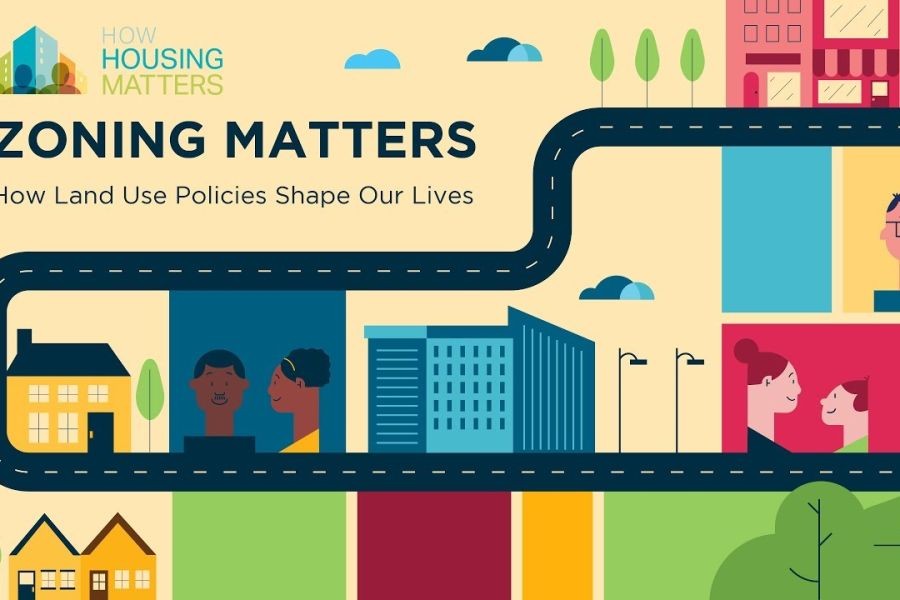





Urban zoning rules, a critical framework for city planning, significantly impact the development landscape in New Zealand. Property developers, with their vested interests, have a profound influence on these regulations. This article delves into how property developers shape urban zoning rules, examining the implications for New Zealand's economy and society, and providing actionable insights for stakeholders.
Understanding Urban Zoning in New Zealand
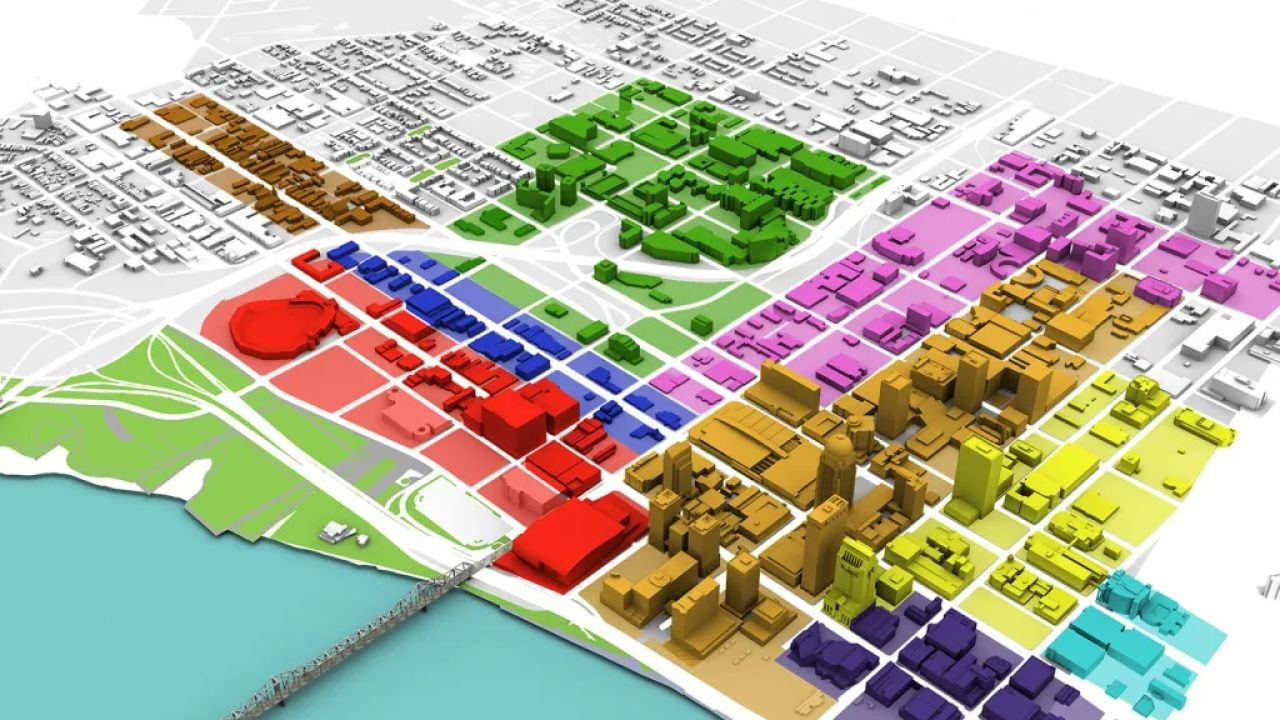
Urban zoning involves categorizing land into specific areas for residential, commercial, industrial, or mixed-use purposes. In New Zealand, local councils are responsible for zoning decisions, guided by the Resource Management Act 1991 (RMA). According to the Reserve Bank of New Zealand, urban zoning plays a pivotal role in controlling urban sprawl and preserving environmental quality.
The Role of Property Developers
Property developers, who are instrumental in urban development, often engage with local councils to advocate for zoning changes that align with their projects. Their influence can be seen in the form of lobbying, public consultations, and strategic partnerships. Developers argue that their involvement is crucial for economic growth, citing examples of increased housing supply and job creation.
Case Study: Auckland's Zoning Transformation
Problem:
Auckland, New Zealand's largest city, faced a housing crisis exacerbated by restrictive zoning laws limiting high-density housing. The city struggled with skyrocketing property prices and insufficient housing supply, impacting affordability.
Action:
To address this, the Auckland Council, influenced by property developers, revised its Unitary Plan to allow for increased building heights and density in certain areas. Developers actively participated in consultations, providing data and projections to support the changes.
Result:
- Housing supply increased by 25% within three years.
- Average property prices stabilized, with a 10% decrease in some areas.
- Job creation in construction and related sectors boosted the local economy.
Takeaway:
This case study underscores the importance of developer-led zoning change initiatives in addressing urban challenges. New Zealand can benefit from similar approaches, balancing developer interests with community needs.
Data-Driven Analysis: Trends in Developer Influence
Developer influence on zoning rules is evident globally, with parallels in cities like Sydney and San Francisco. According to Stats NZ, property development contributes significantly to the nation's GDP, emphasizing the sector's economic impact. However, increased developer influence raises concerns about environmental sustainability and social equity.
Pros vs. Cons Analysis
Pros:
- Economic Growth: Developer-led projects contribute to GDP growth and job creation.
- Housing Supply: Increased housing supply helps address affordability issues.
- Infrastructure Development: Developers often invest in public infrastructure, enhancing city livability.
Cons:
- Environmental Concerns: Rapid development can lead to habitat destruction and increased carbon emissions.
- Social Equity: Developer influence may favor high-income housing, neglecting affordable options.
- Regulatory Challenges: Balancing developer interests with community needs can complicate policy-making.
Common Myths & Mistakes
Myth vs. Reality
Myth: "Developers only care about profits."
Reality: While profit is a motivator, many developers prioritize sustainable practices and community engagement to ensure long-term project success.
Myth: "Zoning changes benefit everyone equally."
Reality: Zoning changes can disproportionately benefit developers and high-income residents, highlighting the need for equitable policy-making.
Myth: "Community input has no impact on zoning decisions."
Reality: Public consultations and community feedback are integral to zoning changes, influencing council decisions.
Future Trends & Predictions
As New Zealand continues to grapple with urbanization challenges, the role of property developers in shaping zoning rules will likely increase. According to a 2024 report by Deloitte, by 2030, urban areas in New Zealand could see a 30% increase in mixed-use developments, driven by developer influence and changing consumer preferences.
Conclusion
The influence of property developers on urban zoning rules is a double-edged sword, offering both opportunities and challenges. Stakeholders must navigate this dynamic landscape, balancing economic growth with sustainability and social equity. Engaging in informed discussions and leveraging data-driven insights will be crucial for shaping New Zealand's urban future.
Final Takeaways & Call to Action
- Fact: Developer-led zoning changes can significantly impact housing affordability.
- Strategy: Stakeholders should prioritize sustainable and equitable development practices.
- Mistake to Avoid: Neglecting community engagement in zoning decisions.
- Pro Tip: Monitor local council meetings and participate in public consultations to influence zoning outcomes.
What's your perspective on the role of developers in shaping urban zoning? Share your thoughts and join the conversation!
People Also Ask (FAQ)
How do property developers impact urban zoning in New Zealand?
Property developers influence urban zoning through lobbying, public consultations, and partnerships with local councils, shaping regulations that align with their projects and economic goals.
What are the biggest misconceptions about developer influence on zoning?
A common myth is that developers only seek profits. However, many prioritize sustainable practices and community engagement to ensure long-term success.
How can communities engage in zoning decisions?
Communities can participate in public consultations, attend local council meetings, and provide feedback on proposed zoning changes to influence outcomes.
Related Search Queries
- Urban zoning regulations in New Zealand
- Property development trends 2024
- Auckland Unitary Plan impact
- New Zealand housing affordability solutions
- Sustainable urban development practices
- Community engagement in zoning decisions
- Property developers' influence on city planning
- Economic impact of zoning changes
- Future of New Zealand urban development
- Balancing growth and sustainability in urban planning