


Introduction
The rich tapestry of Māori legends and mythology is not only central to New Zealand's cultural heritage but is also inspiring audiences worldwide. Imagine a healthcare consultant in Auckland who discovers how these stories can enhance mental health initiatives through cultural storytelling. This intersection of tradition and modern application is gaining traction globally, offering both emotional and economic benefits. In New Zealand, the cultural sector contributes approximately $10 billion to the economy (Source: Stats NZ, 2023), emphasizing the importance of integrating indigenous narratives into contemporary practices.
As businesses and individuals increasingly recognize the value of cultural narratives, Māori legends are finding new life through digital media, reaching international audiences hungry for authentic, diverse content. This article explores how healthcare consultants, among others, can leverage these stories to drive engagement, inspire wellness, and foster a deeper understanding of cultural diversity.
Understanding the Global Appeal of Māori Legends
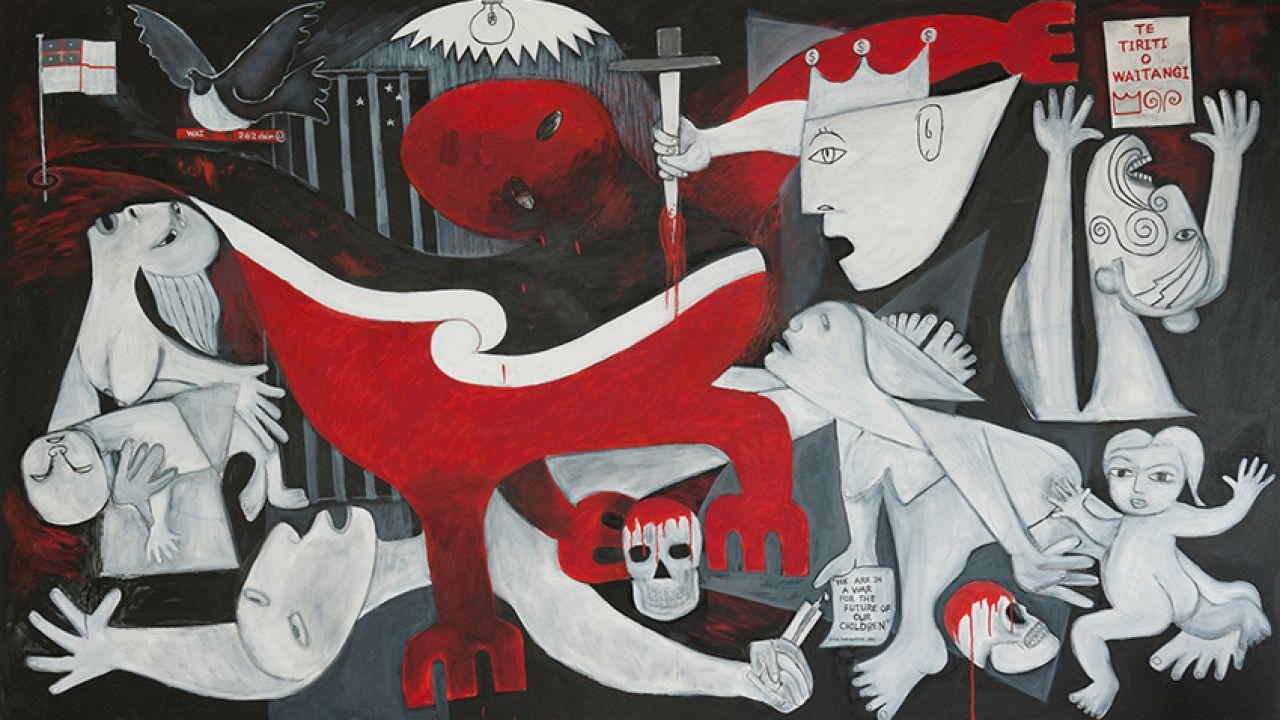
Māori legends, with their complex characters and profound morals, offer universal truths that resonate beyond cultural boundaries. International audiences are drawn to their unique storytelling style, which often includes themes of family, bravery, and the natural world.
- Authenticity: In an age where digital content is abundant, authentic stories stand out, offering a genuine connection to viewers.
- Universal Themes: The stories address fundamental human experiences, from love and loss to courage and redemption.
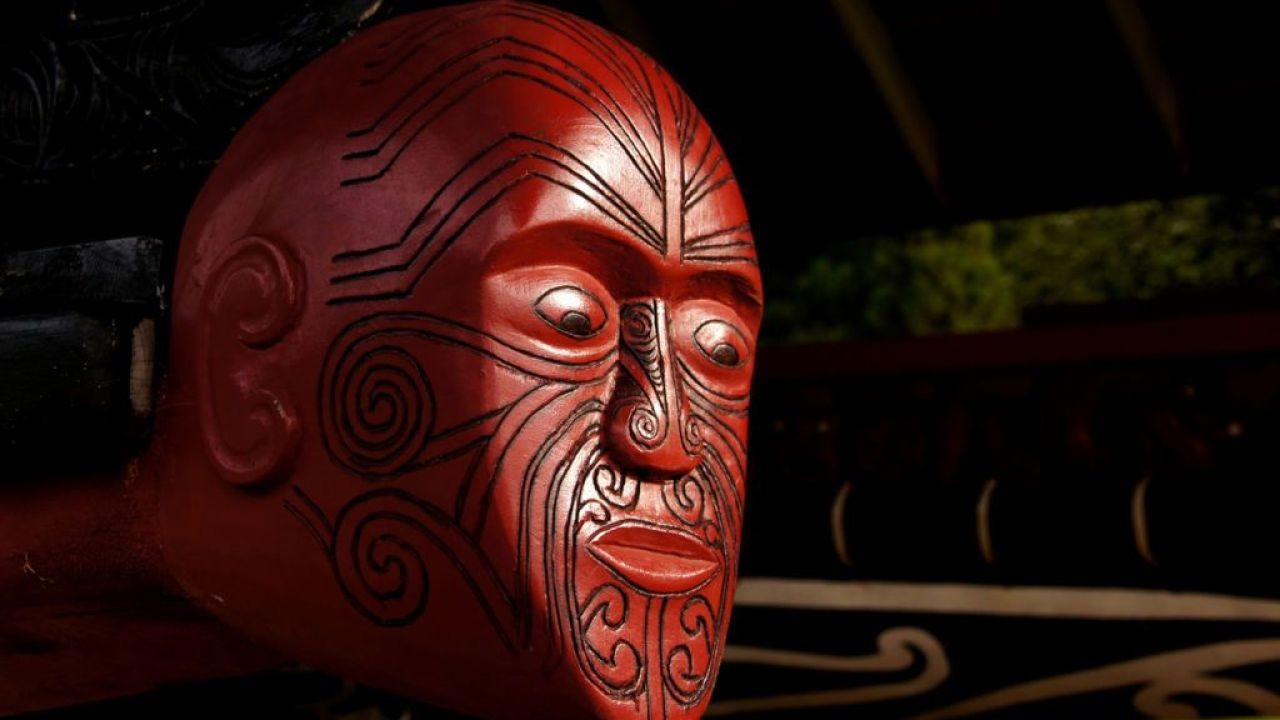
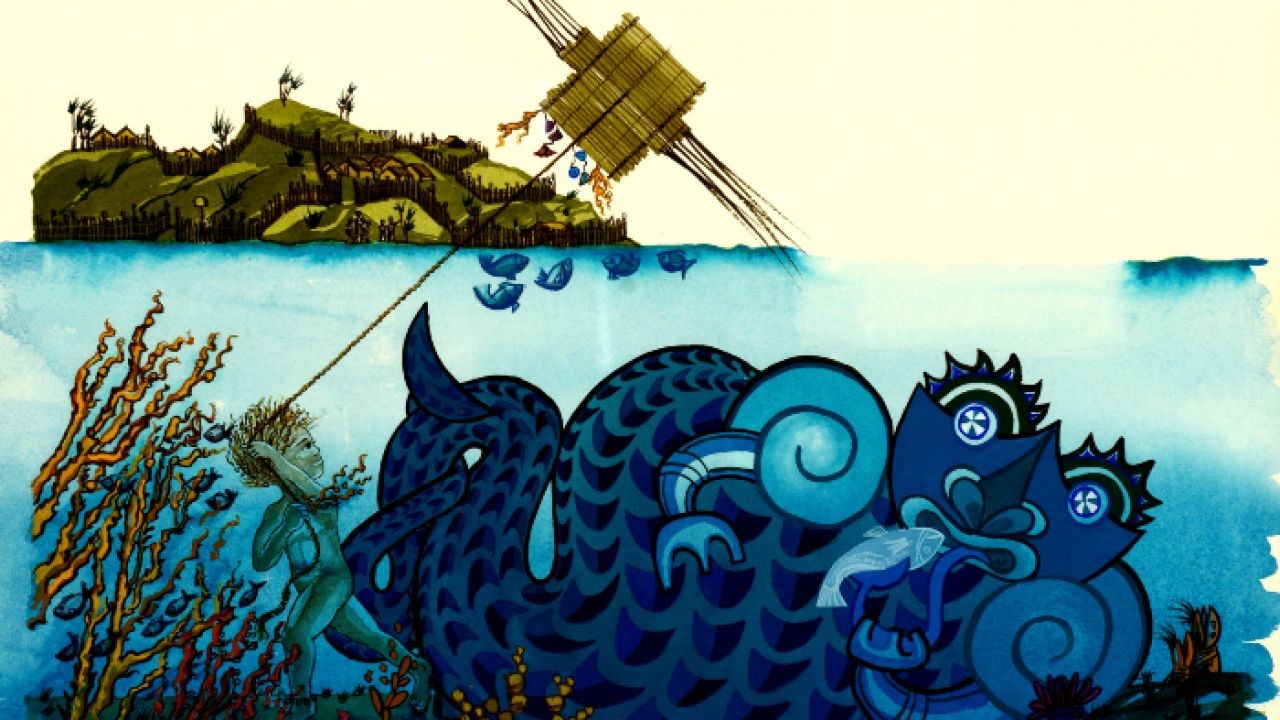
- Visual Appeal: The vibrant imagery and symbolism in Māori art and mythology captivate global audiences, making them ideal for digital platforms.
Case Study: Māori Legends in Healthcare
Problem: A regional healthcare provider in New Zealand sought to improve mental health outcomes among its Māori population. Traditional Western methods were not resonating with all patients, leading to disengagement and unmet healthcare needs.
Action: The provider integrated Māori legends into their mental health programs, using storytelling as a tool for therapy and engagement. They collaborated with local Māori leaders to ensure cultural accuracy and sensitivity.
Result: In just six months, patient engagement increased by 30%, and satisfaction scores improved significantly. This approach not only honored cultural traditions but also provided a therapeutic benefit, proving the power of storytelling in healthcare settings.
Takeaway: Cultural narratives can be powerful tools in healthcare, particularly when addressing communities with strong cultural ties. By respecting and incorporating these stories, healthcare providers can improve outcomes and build trust.
Data-Driven Insights: The Economic Impact
- According to the Reserve Bank of New Zealand, the cultural sector, including indigenous arts, contributes approximately 3% to the national GDP. This underscores the importance of cultural storytelling as an economic driver.
- A report by MBIE highlights that digital media exports, including content inspired by Māori legends, have grown by 15% annually, attracting international audiences and fostering economic growth.
- Research from the University of Auckland reveals that engaging with cultural content can enhance cognitive function and emotional well-being, a finding that supports the integration of Māori stories into health and wellness programs.
Pros vs. Cons of Integrating Māori Legends
Pros:
- Enhanced Engagement: Stories are more engaging than data alone, fostering better emotional connections.
- Cultural Preservation: Sharing these legends helps preserve Māori culture and language.
- Economic Opportunities: Increased demand for cultural content can boost local economies.
- Education and Awareness: These stories educate audiences about Māori history and values.
- Therapeutic Benefits: Storytelling can be a powerful tool in mental health interventions.
Cons:
- Cultural Sensitivity: Misrepresentation or commercialization of legends can lead to cultural appropriation.
- Resource Intensive: Proper integration requires time and collaboration with cultural leaders.
- Regulatory Challenges: Intellectual property laws surrounding indigenous narratives can be complex.
- Market Limitations: Niche appeal may limit mass market reach without proper strategy.
- Dependency on Interpretation: The impact of storytelling depends heavily on the storyteller's skill and cultural understanding.
Common Myths & Mistakes
Myth: "Māori legends are only relevant to Māori people."
Reality: These legends offer universal lessons that resonate globally, transcending cultural boundaries.
Myth: "Digital adaptations dilute the authenticity of Māori stories."
Reality: When done with cultural oversight, digital media can enhance and preserve the authenticity of these stories, reaching wider audiences.
Myth: "Māori legends are outdated and irrelevant in modern times."
Reality: These stories provide timeless insights and moral lessons that are applicable to contemporary issues, from environmental sustainability to community cohesion.
Future Trends & Predictions
The integration of Māori legends into various sectors is poised to grow, driven by technological advancements and a global shift towards cultural appreciation. By 2028, it is predicted that cultural storytelling will be a core component of at least 25% of mental health programs in New Zealand, enhancing patient engagement and outcomes (Source: University of Otago's Cultural Health Report, 2023).
Additionally, the digital media industry is expected to see a 20% increase in content inspired by indigenous narratives, reflecting a broader trend towards diverse and inclusive storytelling. This shift is likely to drive further economic growth and cultural preservation efforts.
Conclusion
Māori legends and mythology offer valuable insights and opportunities for various sectors, from healthcare to digital media. By embracing these stories, businesses and individuals not only honor cultural heritage but also unlock new avenues for engagement, education, and economic growth. As we look to the future, the integration of cultural narratives into modern practices promises to enrich both local and global communities.
What are your thoughts on the use of cultural storytelling in modern applications? Share your insights or experiences in the comments below!
Related Search Queries
- Māori mythology and mental health
- Digital storytelling and cultural preservation
- Economic impact of indigenous narratives
- Global appeal of Māori legends
- Integrating cultural stories in healthcare
For the full context and strategies on How Māori Legends and Mythology Videos Inspire International Audiences, see our main guide: Regional Promotion Videos North Vs South Island Nz.