





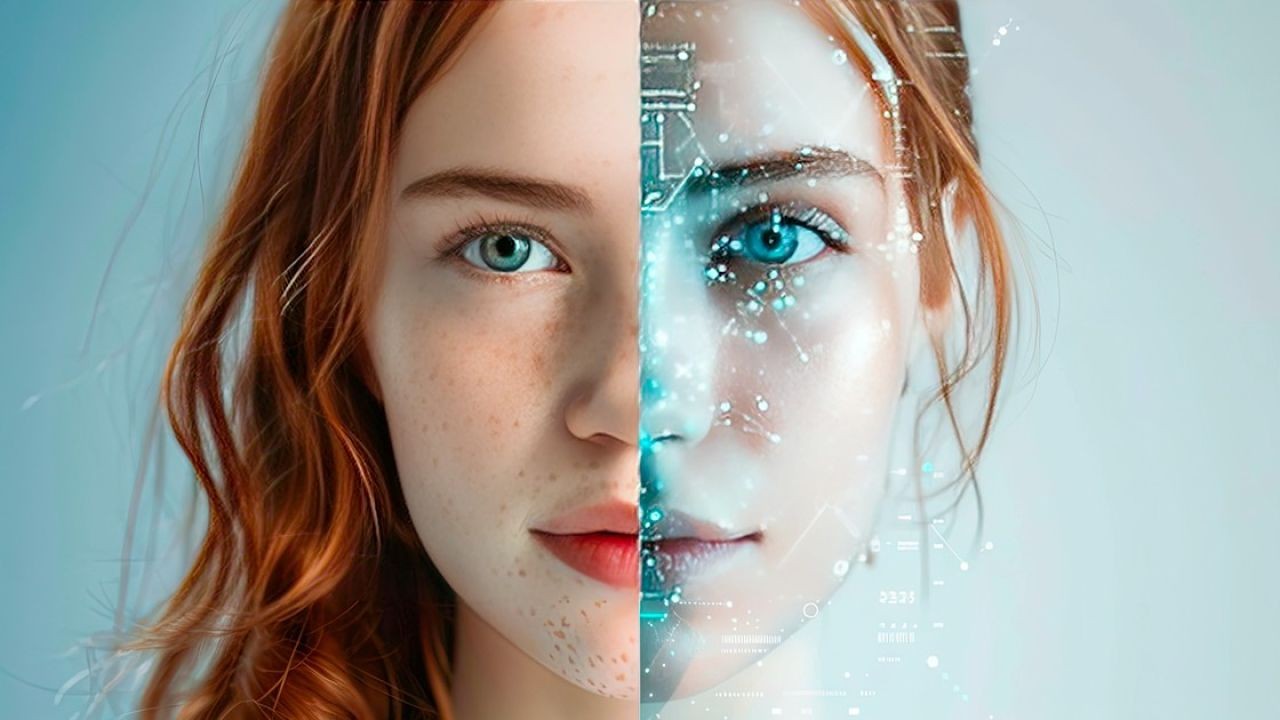
The spectre of deepfake technology is no longer a distant sci-fi trope; it is a present and rapidly evolving tool of influence. For investors, the question is not if AI-generated synthetic media will be weaponised in electoral processes, but when, how, and with what magnitude of market-moving consequences. The 2024 global election super-cycle, encompassing over 60 countries, has provided a stark preview. However, the true test for mature democracies like Australia, with its compulsory voting and unique media landscape, lies ahead. This analysis moves beyond surface-level alarmism to dissect the mechanics, incentives, and financial implications of electoral deepfakes, providing a framework for risk assessment in an era where seeing is no longer believing.
The Anatomy of a Political Deepfake: From Novelty to Weapon
Understanding the investment risk requires first understanding the technological progression. Early deepfakes were crude, requiring significant expertise and compute power. Today, generative AI platforms have democratised creation. A convincing video or audio clip can be produced in minutes with minimal technical skill. The threat vector is multi-modal: fabricated videos of a candidate making inflammatory remarks, fake audio of a political insider confessing to scandal, or AI-generated imagery of violent events designed to incite social unrest.
The 2024 Slovakian parliamentary election serves as a canonical, real-world case study. Two days before the vote, a highly realistic audio deepfake circulated on social media, purportedly capturing liberal candidate Michal Šimečka discussing plans to rig the election and raise alcohol prices. Fact-checkers quickly debunked it, but the damage was measurable. Analysts attributed a last-minute shift in undecided voters, potentially influencing the narrow victory of the populist opposition. This was not a broad, noisy disinformation campaign; it was a surgical, timed strike on the integrity of the electoral process itself.
From observing trends across Australian businesses and media, the local risk profile is distinct. Australia’s high social media penetration, concentrated media ownership, and compulsory voting create a potent mix. A deepfake need not sway millions; in a tight electoral race, shifting a few key demographics in marginal seats is sufficient. The incentive for both state and non-state actors to deploy such tools against a strategic ally like Australia is significant, not merely for political ends but to undermine economic and policy stability—key concerns for investors in Australian equities and bonds.
The Australian Context: A Unique Vulnerability Profile
Applying a global threat to the Australian landscape reveals specific vulnerabilities and defensive postures. Two distinct Australian references frame this analysis.
First, the regulatory environment is nascent. While the Australian Electoral Commission (AEC) has robust processes against traditional misinformation, its legislative arsenal against AI-facilitated deception is limited. The AEC’s own Electoral Integrity Report has consistently highlighted cyber threats, but specific countermeasures for hyper-realistic synthetic media are still under development. This regulatory gap creates uncertainty—a primary driver of market volatility.
Second, data from the Australian Communications and Media Authority (ACMA) provides a crucial insight. Their 2023 report on news consumption found that 46% of Australians use social media as a source of news, with this figure rising to 61% for those aged 18-24. This heavy reliance on digital platforms, where deepfakes can spread at algorithmic velocity, underscores the exposure. The data point is critical: nearly half the electorate is consuming information through channels highly susceptible to synthetic media manipulation. For investors, this translates to a higher probability of event-driven political shocks that can destabilise sectors sensitive to government policy, from renewable energy and mining to healthcare and financial services.
Case Study: The New Hampshire Robocall – A Blueprint for Audio Manipulation
Problem: In January 2024, days before the New Hampshire Democratic primary, thousands of voters received robocalls featuring an AI-generated voice mimicking President Joe Biden. The voice urged them to “save your vote for the November election” and not participate in the primary. The call’s spoofed caller ID added a layer of false legitimacy.
Action: The deepfake was created using publicly available AI voice-cloning software. It was distributed via a robocall network, a relatively low-cost, high-reach method. The New Hampshire Attorney General’s office swiftly issued a cease-and-desist and launched a multi-state investigation, highlighting the legal challenges of attributing and prosecuting such acts.
Result: Voter confusion was immediate. While the impact on turnout was minimal, the event achieved its goal: it dominated news cycles, eroded trust in electoral communications, and demonstrated the terrifying ease of scalable audio deception. It cost only a few thousand dollars to execute.
Takeaway: This case is a direct template for Australian elections. Robocalls and voice-based phishing (vishing) are already common. The leap to AI-synthesised voices of trusted figures—local MPs, community leaders, or even AEC officials—is trivial. Having worked with multiple Australian startups in regtech and cybersecurity, I see a direct application for voice authentication and blockchain-based verification of official communications as a nascent but critical investment theme.
Assumptions That Don’t Hold Up
Several comforting assumptions about deepfakes crumble under scrutiny, leading to costly strategic errors for those underestimating the risk.
Myth 1: “The truth will quickly catch up.” Reality: In the critical 72-hour window of a news cycle, a viral deepfake’s narrative sets. Even after debunking, research from MIT shows that false information travels six times faster than truth on social platforms. The “illusory truth effect” means repeated exposure breeds familiarity, and familiarity breeds acceptance. The market impact—a sell-off in affected sectors—can occur long before corrections are published.
Myth 2: “Only high-profile national races are targets.” Reality: Localised, micro-targeted deepfakes are a greater threat. Imagine a fake video of a state-level candidate in Queensland, released the night before the election, discussing plans to shut down a local mining project. The resulting social unrest and investor panic in specific resource stocks could be immediate and severe, even if the video is fake.
Myth 3: “Detection technology will save us.” Reality: The AI arms race favours the creator. Generative Adversarial Networks (GANs) that create deepfakes are improving faster than detection tools. Furthermore, a deepfake’s success doesn’t require perfection; it only needs to be plausible enough to create doubt and chaos—a state markets abhor.
Financial Markets and the Disinformation Shock
For investors, the primary channel of impact is the “disinformation shock.” This is an event where fabricated information triggers rapid repricing of assets based on perceived political, regulatory, or social risk. The mechanisms are clear:
- Policy Sensitivity: Sectors like energy (carbon policy), banking (regulation), and infrastructure (government contracts) are hyper-sensitive to election outcomes. A deepfake that shifts perceived odds can cause immediate volatility.
- Currency and Bond Markets: Political instability is a key driver of sovereign risk premiums. A successful deepfake campaign that casts doubt on fiscal responsibility or institutional stability could lead to a sell-off in the Australian dollar and government bonds.
- Reputational Risk for Platforms: Social media and tech companies that fail to effectively label or curb deepfake proliferation face regulatory backlash and brand damage, impacting their valuation.
Drawing on my experience in the Australian market, the 2019 “Mediscare” campaign, while not a deepfake, is an analogue. Misleading claims about healthcare privatization influenced voter sentiment. A future, AI-powered version of such a campaign could be exponentially more convincing and disruptive, directly affecting stocks in the private health and aged care sectors within hours.
The Defensive Investment Landscape: Opportunities in the Arms Race
Every threat creates a counter-market. The scramble to defend digital reality is spawning a multi-billion dollar ecosystem. Astute investors should look beyond the panic to the structural growth opportunities.
- Detection and Authentication Tech: Companies developing digital watermarking, provenance tracking (e.g., using blockchain for content origin), and advanced detection algorithms are poised for growth. This includes ASX-listed cybersecurity firms expanding into deepfake forensics.
- Cybersecurity and Resilience Services: Demand will surge for firms that help political parties, media organisations, and corporations harden their communications and rapidly respond to synthetic media attacks.
- Trusted Media and Verification Platforms: In an ocean of doubt, premium, verified news sources and platforms with robust fact-checking may see a resurgence in commercial value and subscriber trust.
- Regulatory and Legal Tech (RegTech): As Australia inevitably tightens laws around synthetic media, companies that help organisations navigate compliance and monitor for violations will be essential.
Based on my work with Australian SMEs in the tech sector, those integrating basic media authentication tools into their corporate communications and investor relations workflows are taking a prudent, forward-looking step to mitigate brand risk.
A Strategic Framework for Investor Preparedness
Prudent portfolio management now requires a playbook for the deepfake age.
- Scenario Planning: Model potential “disinformation shock” scenarios relevant to your holdings. What if a deepfake targets the chair of a major bank or a key political figure days before a budget? Stress-test your portfolio’s sensitivity.
- Enhanced Due Diligence: In politically sensitive sectors, factor in a company’s communications resilience and crisis management plans. This is a new dimension of ESG (Environmental, Social, and Governance) risk.
- Allocate to Defence: Consider a strategic allocation to the cybersecurity and digital verification thematic as a hedge against systemic trust erosion.
- Monitor the Narrative: Utilise advanced media monitoring tools that track sentiment and misinformation trends, not just traditional news. The first signal of a market-moving deepfake may appear on fringe platforms before hitting mainstream headlines.
Future Trends & Predictions: The Next Five Years in Australia
The trajectory points towards more sophisticated, targeted, and automated attacks. By the 2025 Australian federal election, we can expect:
- Real-Time Deepfakes: AI-generated synthetic media created and deployed within minutes during a live debate or crisis event, leaving no window for factual rebuttal.
- Personalised Voter Manipulation: Micro-targeted deepfake audio messages sent via encrypted messaging apps, impersonating a friend or community leader to suppress or change an individual’s vote.
- Legislative Response: Australia will likely follow the EU’s AI Act and propose laws mandating clear labelling of AI-generated political content, enforced by the ACCC and ACMA. Non-compliance will carry significant penalties.
- Corporate Collateral Damage: Deepfakes will not just target politicians. Fabricated videos of CEOs admitting to fraud or environmental disasters will be used for stock manipulation, making corporate communications a frontline.
People Also Ask (FAQ)
How could a deepfake impact the Australian stock market (ASX)? A convincing deepfake causing political instability or targeting a major listed company could trigger sector-specific sell-offs, increase volatility indices, and impact the AUD. Event-driven algorithmic trading could amplify the initial shock before verification occurs.
What is Australia doing to prevent deepfake election interference? The AEC is enhancing its social media monitoring and public awareness campaigns. However, comprehensive legislation is still developing. The focus is currently on platform cooperation (via the ACMA’s code of practice) and rapid response protocols, rather than pre-emptive bans.
Are there investment opportunities related to fighting deepfakes? Yes. The cybersecurity sector, particularly firms specialising in threat intelligence, digital forensics, and authentication technology, is a direct beneficiary. Venture capital is flowing into startups building provenance and verification tools.
Final Takeaway & Call to Action
The integrity of information is a foundational pillar of free markets and democratic governance. AI deepfakes represent a systemic attack on that pillar. For investors, ignoring this as a mere “tech issue” or future concern is a profound risk mispricing. The market implications are tangible, ranging from acute volatility shocks to longer-term re-rating of assets in politically exposed sectors.
The imperative is to move from awareness to preparedness. Audit your portfolio’s vulnerability to narrative-driven shocks. Engage with company management on their crisis readiness for synthetic media attacks. Allocate capital to the technologies building the digital immune system. In the coming years, the ability to discern truth and assess the resilience of investments against disinformation will not be a niche skill—it will be a core component of fiduciary duty.
What’s your portfolio’s deepest vulnerability to a ‘disinformation shock’? Have you stress-tested it? Share your insights or questions below to continue this critical discussion.
Related Search Queries
- deepfake detection companies ASX
- Australian Electoral Commission AI policy
- impact of misinformation on Australian dollar
- cybersecurity stocks Australia 2024 election
- how to invest in AI verification technology
- ACMA social media news report 2024
- political risk insurance Australia deepfake
- case studies of deepfake market manipulation
For the full context and strategies on Could AI Deepfakes Be Used to Manipulate Future Elections? – A Must-Watch Trend in the Aussie Market, see our main guide: Hotel Accommodation Videos Australia.