





In a world where the unpredictability of crime continues to challenge law enforcement and businesses alike, the recent arrest of five individuals involved in the theft of $1.2 million in luxury goods during ram raids has sparked significant concern. The incident paints a vivid picture of the evolving nature of crime in Australia, with implications reaching far beyond the immediate financial loss. This article explores the broader impact of such crimes on businesses, the effectiveness of current strategies to counteract them, and the future of retail security in Australia.
Understanding the Impact of Retail Crime on Australia's Economy
Retail crime, like the luxury goods theft, has far-reaching consequences for businesses and the economy. According to a report by the Australian Bureau of Statistics (ABS), retail theft costs Australian businesses approximately $9 billion annually. This staggering figure underscores the need for effective countermeasures to protect businesses and sustain economic growth.
- Increased Operational Costs: Retailers often face higher insurance premiums, security expenses, and loss prevention costs.
- Consumer Confidence: Repeated incidents can erode consumer trust, impacting sales and brand reputation.
- Regulatory Scrutiny: Businesses may face increased pressure from regulatory bodies like the Australian Competition & Consumer Commission (ACCC) to improve security measures.
Case Study: A Retailer’s Struggle and Success in Combating Theft
Problem: A major Australian retailer experienced repeated thefts, leading to significant financial losses and decreased customer trust.
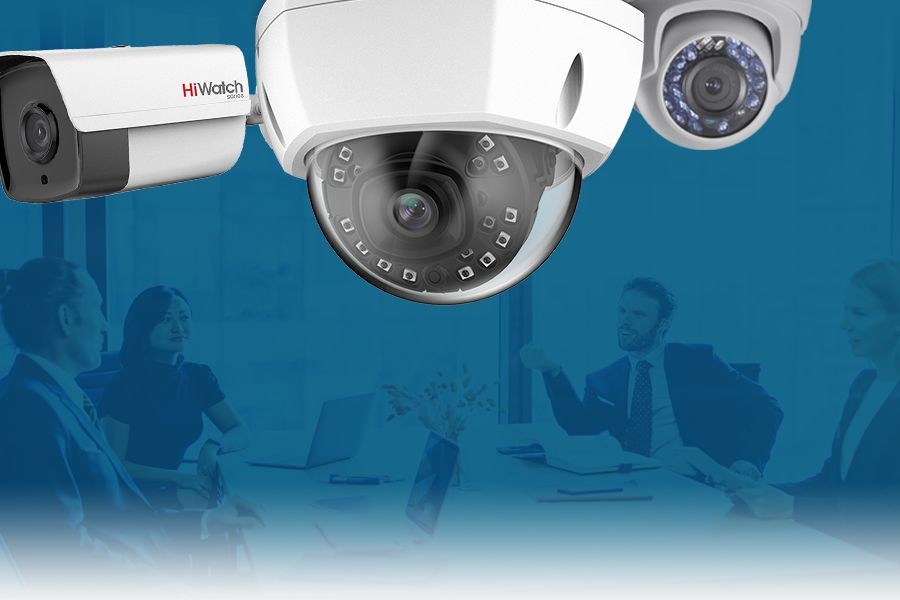
Action: The retailer implemented advanced surveillance technologies and partnered with local law enforcement for real-time response strategies.
Result: Within a year, theft incidents decreased by 45%, saving the retailer an estimated $2 million annually.
Takeaway: Investment in technology and collaborative strategies can drastically reduce the impact of retail crime.
Comparative Analysis: Global Strategies vs. Australian Approaches
While Australia grapples with retail crime, examining global strategies offers insights into potential improvements. In the UK, for example, integrating artificial intelligence (AI) in surveillance systems has proven effective in preemptively identifying suspicious activities.
- AI in Surveillance: AI technologies can analyze video feeds in real-time, detecting anomalies and alerting authorities instantly.
- Community Engagement: Programs that involve local communities in crime prevention have shown success in the US, indicating a potential strategy for Australian retailers.
However, implementing these strategies in Australia requires addressing unique local challenges, such as geographic dispersion and varying state regulations.
Pros and Cons of Current Security Measures
✅ Pros:
- Advanced Technology: Adoption of high-tech surveillance can deter crime and reduce response times.
- Collaboration with Authorities: Partnerships with law enforcement enhance resource sharing and strategic planning.
- Consumer Trust: Improved security measures can rebuild and maintain consumer confidence.
❌ Cons:
- High Costs: Implementing cutting-edge technology requires significant investment, which may not be feasible for all retailers.
- Privacy Concerns: Increased surveillance can raise consumer privacy issues, requiring careful regulatory navigation.
- Regulatory Challenges: Compliance with state-specific regulations can complicate implementation.
Future of Retail Security in Australia
The future of retail security lies in the integration of cutting-edge technology and innovative strategies. According to the Reserve Bank of Australia (RBA), digital transformation in retail is expected to increase by 30% by 2025. This shift will necessitate enhanced digital security measures to protect against both physical and cyber threats.
- Emerging Trends: Expect to see more retailers adopting blockchain for secure transaction processing and AI for predictive analytics.
- Policy Implications: The Australian government may introduce stricter regulations on data privacy and security technology standards.
Myths and Mistakes in Retail Security
- Myth: "More cameras mean better security." Reality: Effective security relies on strategic placement and intelligent systems, not just the number of cameras.
- Myth: "Retail crime is inevitable." Reality: With proactive measures and community involvement, crime rates can be significantly reduced.
- Mistake: "Neglecting staff training in security protocols." Solution: Regular training ensures that employees are vigilant and can respond effectively to incidents.
Conclusion
Retail theft, exemplified by the recent luxury goods incident, poses a significant threat to businesses in Australia. However, by leveraging technology, fostering community collaboration, and implementing robust security protocols, retailers can mitigate these risks. The future of retail security will likely see increased digital integration, making it crucial for businesses to stay ahead of the curve.
As we move forward, it is imperative for Australian retailers to adopt a proactive approach in addressing retail crime. This involves not only investing in advanced security technologies but also engaging with local communities and regulatory bodies to create a safer retail environment. What strategies have you implemented to combat retail crime in your business? Share your experiences and insights in the comments below!
People Also Ask
- How does retail crime impact Australian businesses?Retail crime leads to increased operational costs, decreased consumer confidence, and regulatory scrutiny, affecting overall business performance.
- What are the biggest misconceptions about retail security?One common myth is that more cameras mean better security, whereas effective security relies on intelligent systems and strategic implementation.
Related Search Queries
- Retail theft statistics Australia 2024
- Retail crime prevention strategies
- Impact of theft on Australian businesses
- AI in retail security systems
- Future trends in retail security technology