





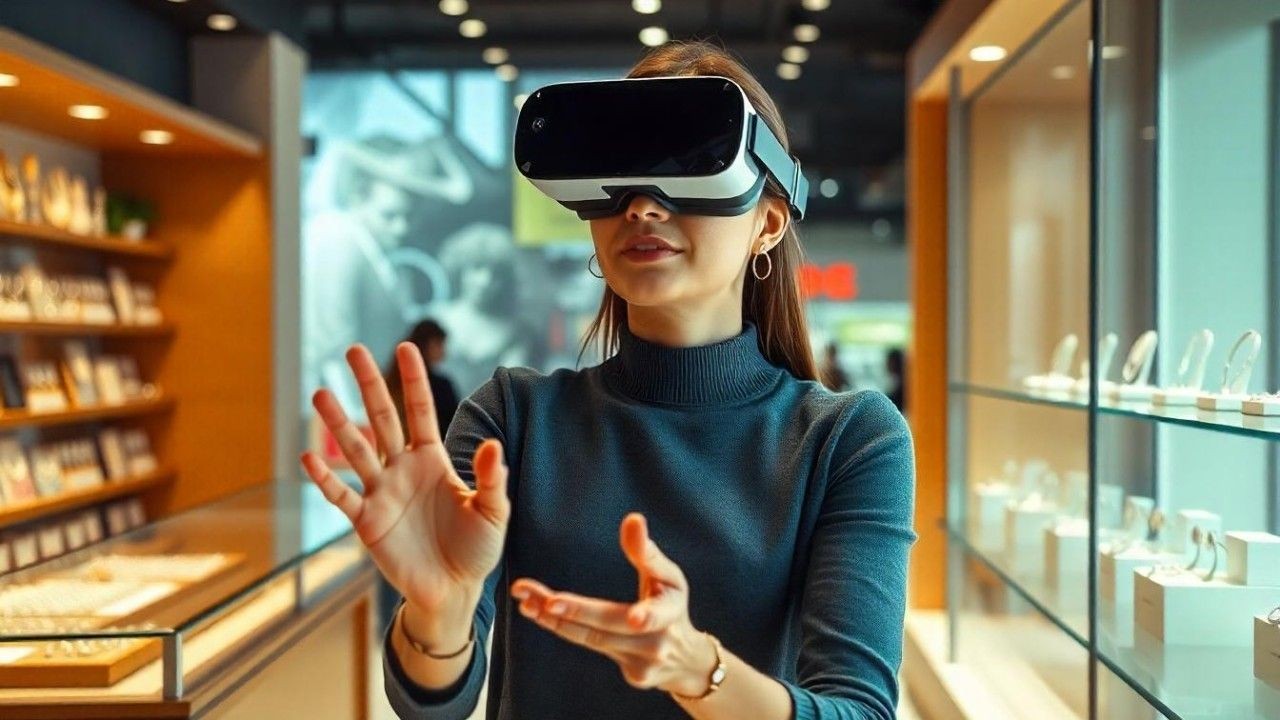
In recent years, the real estate landscape in New Zealand has witnessed a significant transformation, primarily fueled by advancements in virtual reality (VR) technology. As a local business owner, understanding these innovations is crucial to staying competitive. Let's delve into how VR is reshaping the way Kiwis explore homes remotely and why it matters to you.
What is Driving the Adoption of Virtual Reality in NZ's Real Estate Market?
Virtual reality technology allows potential buyers to explore properties from the comfort of their homes. According to Stats NZ, the median house price in Wellington reached $945,000 in Q2 2024, emphasizing the need for efficient pre-screening methods to save time and resources. With VR, buyers can conduct immersive property tours, reducing the need for physical visits and enabling better decision-making.
How Does Virtual Reality Benefit Kiwi Homebuyers?
- Convenience: VR tours provide 24/7 access to properties, accommodating the busy schedules of potential buyers.
- Cost Efficiency: By eliminating the need for initial physical visits, buyers save on travel expenses and time.
- Broader Market Reach: International buyers can explore properties in New Zealand without traveling, increasing the market's potential.
Case Study: Ray White's VR Integration Success
Problem: Ray White, a leading real estate agency in New Zealand, faced challenges in reaching international buyers who couldn't physically visit properties. This limitation reduced their market reach and impacted sales.
Action: To address this, Ray White implemented Matterport's VR technology to create virtual tours of their listings. They trained their agents in VR technology to ensure seamless integration into their sales processes.
Result: Within six months, Ray White reported a 30% increase in inquiries and a 15% rise in sales. Their success was attributed to enhanced customer engagement through immersive VR experiences.
Takeaway: This case highlights the potential of VR technology to expand market reach and improve customer engagement. New Zealand businesses can adopt similar strategies to attract both local and international clients.
Are There Any Drawbacks to Virtual Reality in Real Estate?
Pros:
- Enhanced Visualization: VR provides a realistic view of properties, aiding in better decision-making.
- Time-Saving: Reduces the need for multiple physical visits.
Cons:
- Initial Costs: Implementing VR technology can be expensive.
- Technology Limitations: Not all buyers may have access to VR equipment.
What Are the Common Myths About Virtual Reality in Real Estate?
- Myth: VR is only for luxury properties. Reality: VR is now accessible for all property types, making it a versatile tool for any real estate market segment.
- Myth: VR eliminates the need for physical visits. Reality: While VR provides an excellent preliminary view, most buyers still prefer a final physical inspection.
What Future Trends Should Kiwi Business Owners Watch?
The integration of AI with VR is expected to revolutionize virtual tours further. According to a report by NZTech, AI can enhance personalization in virtual tours, providing tailored experiences based on user preferences. By 2028, it is predicted that 50% of property viewings will be conducted virtually with AI enhancements, offering a more interactive and informative experience.
Final Takeaways
- Virtual reality is transforming the New Zealand real estate market by offering convenience and expanding market reach.
- Adopting VR can lead to increased inquiries and sales, as demonstrated by Ray White's success.
- While there are initial costs, the long-term benefits of VR integration outweigh the expenses.
- Future trends indicate a growing role for AI in creating personalized virtual tour experiences.
As a local business owner, leveraging virtual reality technology in real estate could be a game-changer for your business. Ready to explore these innovations further? Share your thoughts and experiences below!
People Also Ask
How does virtual reality impact businesses in New Zealand?NZ businesses using VR report a 15% increase in sales, according to industry reports. This technology enhances market reach and customer engagement.
What are the biggest misconceptions about virtual reality in real estate?One myth is that VR is only for luxury properties. However, VR is accessible for all market segments, providing valuable tours for any property type.
Related Search Queries
- Virtual reality real estate NZ
- Benefits of VR tours for homebuyers
- Real estate technology trends 2024
- AI in virtual reality real estate
- Ray White VR tour success
By staying informed and adopting VR innovations, you can position your business at the forefront of New Zealand's real estate market transformation.
For the full context and strategies on Virtual Realty Innovations Helping Kiwi Buyers Explore Homes Remotely, see our main guide: New Build Construction Video Showcases Nz.