




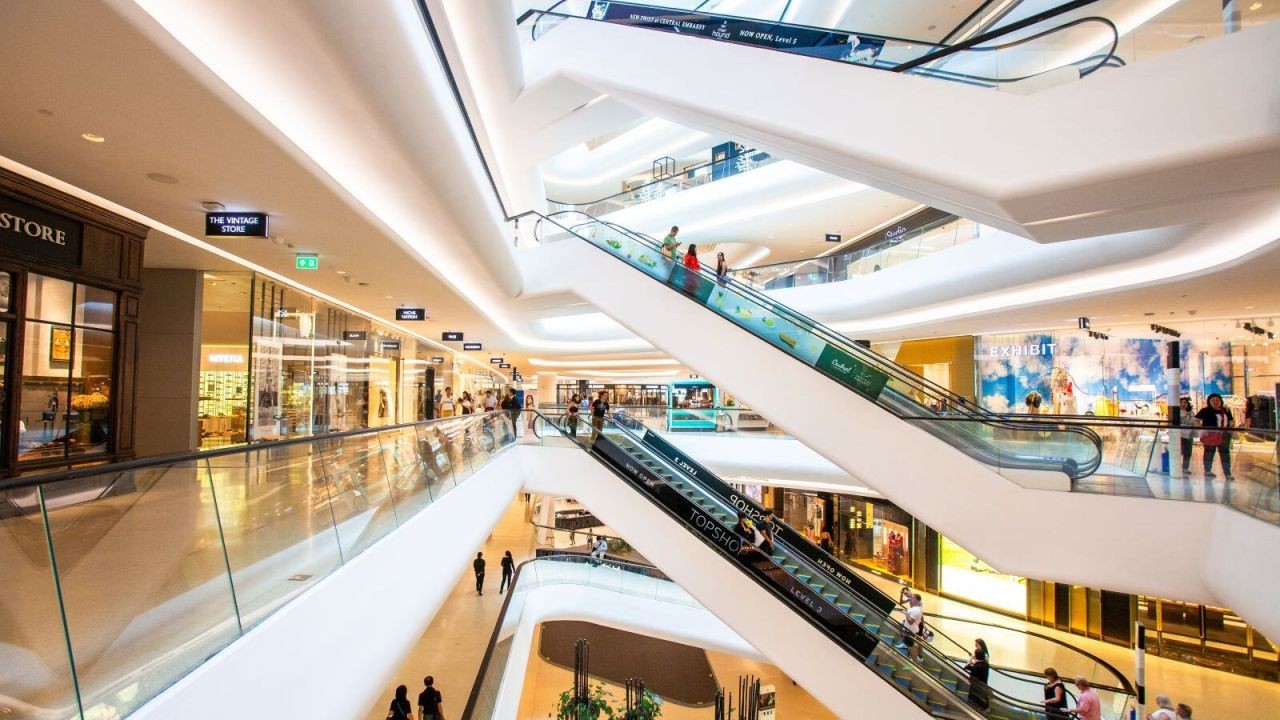
In the labyrinthine world of shopping malls, where time seems to slip away effortlessly, there's a meticulously crafted strategy at play, especially within the sprawling complexes found across Australia. While these retail meccas are often seen as mere hubs for commerce, their design and layout are engineered to keep visitors lingering longer, encouraging more spending and enhancing profitability. This insight into the intricate design of Australian shopping malls reveals not only the intent of these spaces but also their profound impact on consumer behavior and the economy.
The Psychology of Mall Design
To understand how shopping malls keep us ensnared, we must first delve into the psychology behind their design. Malls are crafted to be sensory experiences, engaging shoppers in ways that go beyond mere transactions. From the moment you step inside, you're enveloped in an atmosphere designed to appeal to all senses: pleasant ambient music, enticing aromas from food courts, and visual displays that capture the eye. This sensory barrage isn't accidental; it's a well-researched tactic to prolong visits and enhance consumer spending.
The Power of Navigation
Navigation plays a crucial role in keeping shoppers inside malls longer. Many Australian malls use a "racetrack" layout, a continuous loop that guides shoppers past a variety of stores without the need to retrace steps. This layout not only maximizes exposure to different retailers but also reduces the likelihood of fatigue from wandering aimlessly. The design encourages exploration, with strategically placed anchor stores drawing visitors deeper into the mall.
Case Study: Chadstone Shopping Centre
Chadstone Shopping Centre in Melbourne exemplifies the effective use of mall design to enhance visitor retention. Known as the largest shopping center in the Southern Hemisphere, Chadstone's layout is a masterclass in retail psychology. The center uses wide, airy corridors and strategically placed rest areas to ensure shoppers remain comfortable and engaged over long periods. Additionally, its blend of luxury and high-street brands provides a diverse shopping experience, catering to a wide demographic.
Economic Impact of Prolonged Visits
Beyond the immediate benefits to retailers, prolonged shopper visits have a significant impact on the Australian economy. According to the Australian Bureau of Statistics, retail sales contribute over $320 billion annually to the economy, with shopping malls being a critical driver of these figures. The longer consumers stay within a mall, the more likely they are to make additional purchases, boosting the overall retail sector.
Data-Driven Insights
Data from the Reserve Bank of Australia highlights the correlation between consumer time spent in malls and increased spending. A reported 15% increase in average transaction values is observed when consumers spend more than two hours within a shopping complex. This data underscores the importance of mall design in influencing consumer behavior and, by extension, the national economy.
Regulatory Considerations
While the design of malls aims to maximize consumer engagement, it's essential to consider the regulatory landscape. The Australian Competition & Consumer Commission (ACCC) ensures fair trading practices, with guidelines that ensure consumer rights are protected even as businesses seek to maximize profits. This regulatory oversight ensures a balance between commercial interests and consumer welfare.
Global Trends and Australian Applications
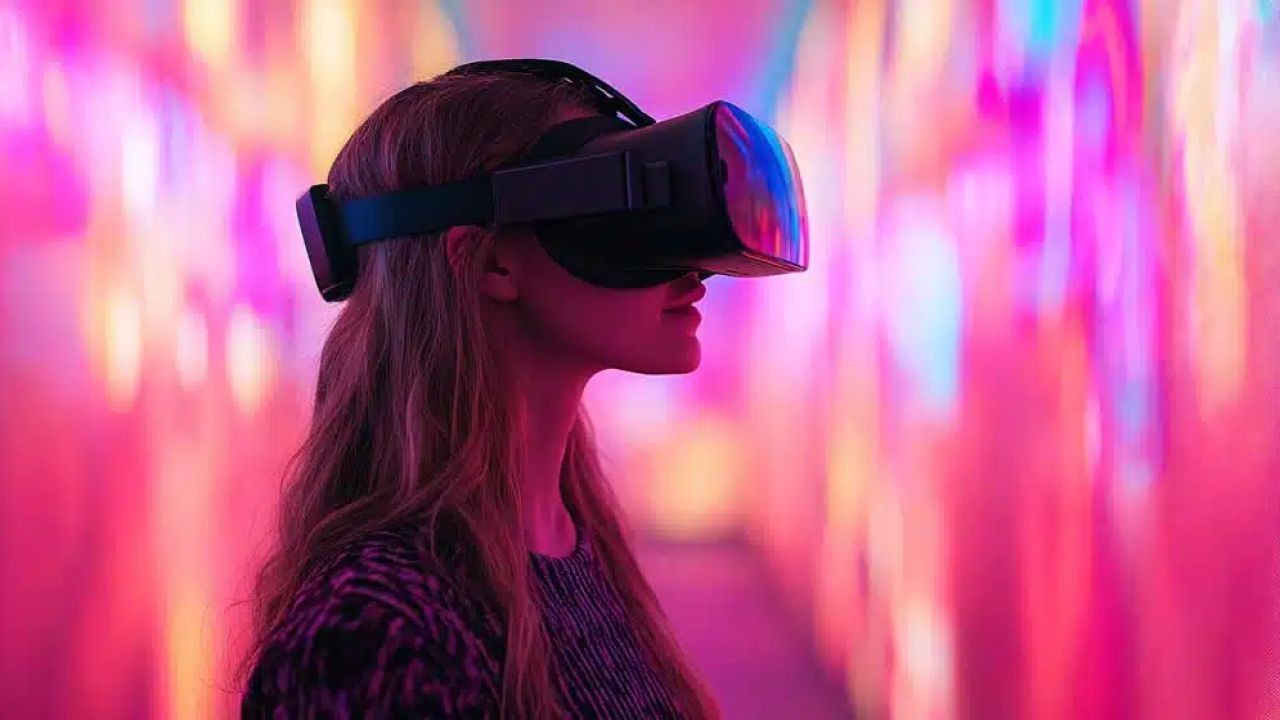
Globally, malls are adopting digital innovations like augmented reality (AR) and artificial intelligence (AI) to further enhance the shopping experience. In Australia, these technologies are beginning to see implementation, with malls like Westfield experimenting with virtual fitting rooms and AI-powered personal shopping assistants. These innovations are set to redefine the shopping experience, making it more personalized and immersive, thus encouraging longer stays.
Common Myths About Mall Design
- Myth: Malls are losing relevance in the digital age. Reality: While online shopping is growing, malls are evolving to become experiential hubs, offering services and experiences that cannot be replicated online.
- Myth: All stores benefit equally from mall foot traffic. Reality: Location within the mall, store layout, and branding significantly affect individual store success.
- Myth: Malls are only about shopping. Reality: Modern malls offer a blend of retail, dining, and entertainment, creating a holistic experience that goes beyond shopping.
Future Trends and Predictions
As we look to the future, the role of shopping malls in Australia is poised to evolve further. By 2026, it's predicted that a significant portion of malls will incorporate smart technologies, allowing for personalized marketing and real-time data analytics. Such advancements will enable retailers to tailor experiences to individual preferences, further increasing dwell time and spending.
Moreover, environmental considerations are likely to come to the fore, with malls adopting sustainable practices to align with Australia's broader environmental goals. This shift will not only appeal to eco-conscious consumers but also position malls as leaders in sustainable commerce.
Conclusion
The design of shopping malls in Australia is a testament to the intricate interplay between architecture, psychology, and commerce. By understanding these dynamics, we can appreciate how these spaces are crafted to keep us engaged. As malls continue to evolve, integrating technology and sustainability, their role in the Australian economy is set to remain significant. Whether you're a retailer, consumer, or industry observer, these insights offer a deeper understanding of the retail landscape and its future trajectory.
People Also Ask (FAQ)
- How does mall design impact consumer spending in Australia? Australian malls, through strategic design, increase consumer spending by creating an engaging environment that encourages longer visits, thereby boosting transaction volumes.
- What are some common misconceptions about shopping malls? A prevalent myth is that malls are obsolete due to online shopping, yet they are thriving as experiential destinations that offer more than just retail.
- What future trends will shape Australian shopping malls? By 2026, the integration of smart technologies and sustainable practices is expected to redefine the shopping experience in Australian malls.
Related Search Queries
- Australian shopping mall design strategies
- Impact of mall design on consumer behavior
- Future of retail in Australia
- Technological innovations in shopping malls
- Psychology behind mall layouts
- Economic impact of Australian malls
- Sustainability in retail architecture
- Experiential shopping trends
- ACCC regulations on retail practices
- Consumer spending trends in Australia