






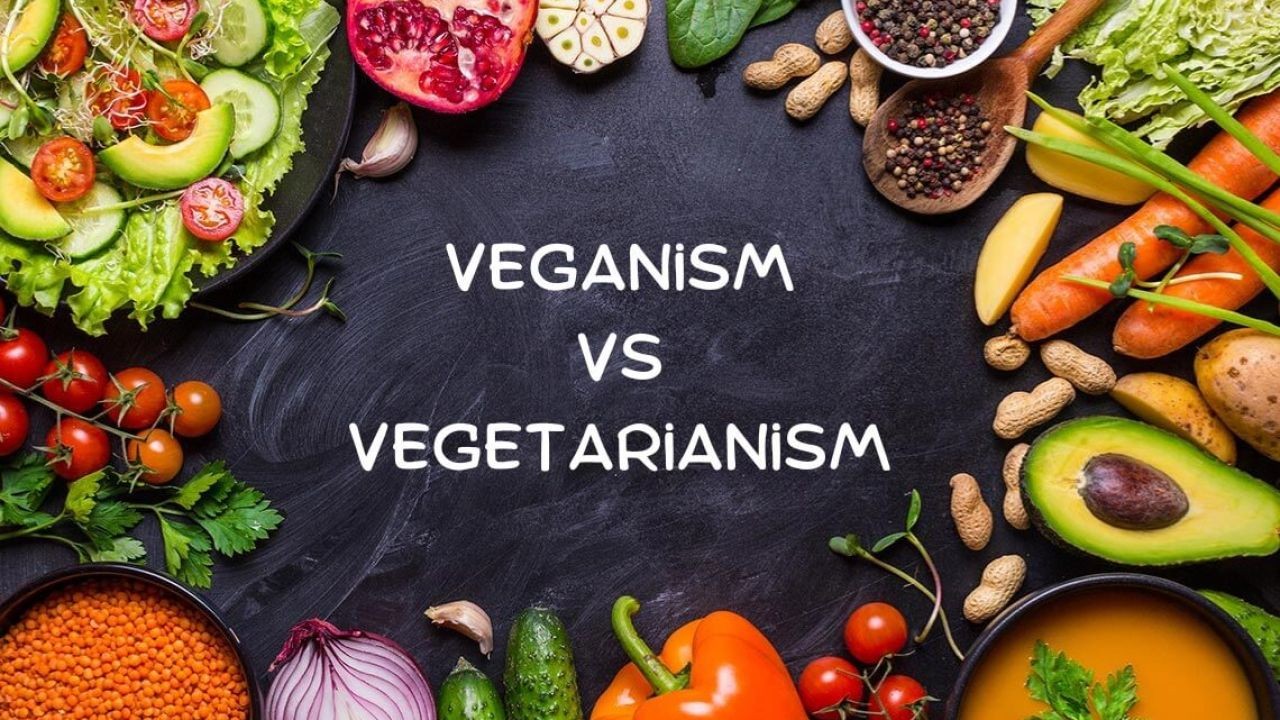
In the bustling world of dietary choices, vegan and vegetarian diets often find themselves at the center of discussions, especially in health-conscious nations like Australia. With the increasing focus on sustainable living and health, many Australians are pondering which dietary path to take. This article delves into the nuances of vegan and vegetarian diets, exploring which might be better suited for Australians.
What Defines Vegan and Vegetarian Diets?
Understanding the core differences between vegan and vegetarian diets is crucial. A vegetarian diet typically excludes meat, poultry, and fish but includes dairy products and eggs. On the other hand, a vegan diet eliminates all animal products, including dairy, eggs, and often honey. This distinction is vital in determining the impact of each diet on health and the environment.
How Popular Are These Diets in Australia?
The popularity of vegan and vegetarian diets in Australia is burgeoning. According to the Australian Bureau of Statistics, as of 2023, approximately 12% of Australians identify as vegetarian, with a growing 3% embracing a vegan lifestyle. This rise is influenced by increasing awareness of health benefits, ethical concerns, and environmental impacts associated with meat consumption.
What Are the Health Benefits of Vegan and Vegetarian Diets?
Both vegan and vegetarian diets offer significant health benefits, primarily due to their focus on plant-based foods. These diets are generally high in fiber, vitamins, and antioxidants, which can contribute to lower risks of heart disease, hypertension, and certain cancers.
Vegan Diet Health Benefits
- Heart Health: A vegan diet, when well-planned, can lower cholesterol levels and reduce the risk of heart disease. A study published in the Journal of the American Heart Association found that individuals following a vegan diet had a 25% lower risk of developing heart disease.
- Weight Management: Vegans tend to have lower body mass indexes (BMIs) compared to their non-vegan counterparts, which can reduce the risk of obesity-related diseases.
Vegetarian Diet Health Benefits
- Nutrients: Vegetarians often have a more balanced intake of essential nutrients like vitamin B12 and calcium, thanks to the inclusion of dairy and eggs.
- Reduced Cancer Risk: The consumption of fruits and vegetables in a vegetarian diet has been associated with a lower risk of certain cancers, as noted in a study by the American Institute for Cancer Research.
How Do These Diets Impact the Australian Economy and Environment?
In Australia, the shift towards vegan and vegetarian diets has notable economic and environmental implications. The dietary shift has led to a rise in plant-based product sales, contributing to economic growth in the food sector. According to IBISWorld, the plant-based food sector in Australia is projected to grow by 6.8% annually, reaching AUD 3 billion by 2030.
Environmentally, the reduction in meat consumption aligns with Australia's commitment to reducing carbon emissions. A study by the Commonwealth Scientific and Industrial Research Organisation (CSIRO) found that livestock farming accounts for a significant portion of Australia's greenhouse gas emissions. By adopting vegan and vegetarian diets, Australians can contribute to a decrease in these emissions.
What Are the Pros and Cons of Vegan and Vegetarian Diets?
Pros of Vegan Diets
- Ethical Alignment: Veganism aligns with ethical considerations regarding animal welfare.
- Environmental Impact: Significantly reduces carbon footprint and resource usage compared to diets involving animal products.
- Potential Health Benefits: Can lead to lower cholesterol levels and weight management.
Cons of Vegan Diets
- Nutrient Deficiencies: Potential risks include deficiencies in vitamin B12, iron, and omega-3 fatty acids.
- Social Challenges: Limited dining options and social dining challenges can arise.
Pros of Vegetarian Diets
- Balanced Nutrition: Includes a wider variety of nutrients due to the inclusion of dairy and eggs.
- Less Restrictive: Easier to maintain socially and practically.
Cons of Vegetarian Diets
- Less Environmental Benefit: While better than omnivorous diets, the environmental benefits are less pronounced than those of vegan diets.
Case Study: Australia's Plant-Based Boom
Australia is witnessing a plant-based food boom, driven by consumer demand and supported by companies like V2Food and Beyond Meat. V2Food, an Australian plant-based meat startup, has seen substantial growth since its inception. By collaborating with fast-food chains like Hungry Jack's, they have made plant-based options more accessible, contributing to a 30% rise in plant-based product sales within the fast-food industry.
These developments underscore the economic potential of plant-based diets while highlighting the shift in consumer preferences towards more sustainable food options.
Common Myths & Mistakes Surrounding Vegan and Vegetarian Diets
Myth: Vegan and Vegetarian Diets Are Inherently Healthier
Reality: While these diets can be healthy, they require careful planning to ensure nutritional adequacy. Without proper planning, individuals can face deficiencies in essential nutrients.
Myth: Plant-Based Diets Are Too Expensive
Reality: A study by the Australian Dietary Guidelines found that plant-based diets can be cost-effective when focusing on whole foods like grains, legumes, and seasonal produce.
Myth: Vegan Diets Lack Protein
Reality: Plant-based diets can provide sufficient protein through sources like lentils, chickpeas, and tofu. The key is diversifying protein sources to ensure all essential amino acids are consumed.
What Future Trends Can We Expect in Australia?
The future of vegan and vegetarian diets in Australia looks promising. With increasing consumer awareness and demand for sustainable options, the plant-based industry is anticipated to expand further. By 2030, experts predict that plant-based foods will account for 10% of the total protein market in Australia, driven by continuous innovation and investment in the sector.
Moreover, policy shifts towards promoting sustainable agriculture and reducing carbon emissions could further encourage the adoption of plant-based diets, aligning with Australia's environmental goals.
Conclusion
In conclusion, both vegan and vegetarian diets offer distinct advantages and challenges. For Australians, the choice largely depends on individual health goals, ethical considerations, and lifestyle preferences. With compelling health benefits and a significant impact on the environment, these diets are more than just a trend—they represent a shift towards a more sustainable future.
Whether you choose to embrace a vegan or vegetarian lifestyle, the key is to ensure a balanced and nutritionally adequate diet. As the plant-based movement continues to gain momentum in Australia, now is the time to explore these dietary paths and contribute to a healthier planet.
People Also Ask
How does adopting a vegan diet impact the environment in Australia?Adopting a vegan diet significantly reduces carbon emissions and resource use, aligning with Australia's environmental goals. A study by CSIRO indicates that reducing meat consumption can decrease greenhouse gas emissions by up to 25%.
What are the health risks of a poorly planned vegan diet?A poorly planned vegan diet can lead to deficiencies in essential nutrients like vitamin B12, iron, and omega-3 fatty acids. It is crucial to plan meals carefully and consider supplements to maintain a balanced diet.
How can Australians ensure they get enough protein on a vegan diet?Australians can ensure adequate protein intake by incorporating a variety of plant-based sources such as lentils, chickpeas, tofu, and quinoa. Diversifying protein sources and including fortified foods can help meet nutritional needs.
Related Search Queries
- Vegan diet benefits Australia
- Vegetarian vs vegan health comparison
- Environmental impact of plant-based diets in Australia
- Cost of vegan diet in Australia
- Popular vegan foods in Australia
- Plant-based industry growth in Australia
- Nutritional challenges of vegan diets
- Vegan and vegetarian food accessibility in Australia
- Australian vegan fast-food options
- Impact of veganism on Australian agriculture



























FranciscoC
3 months ago