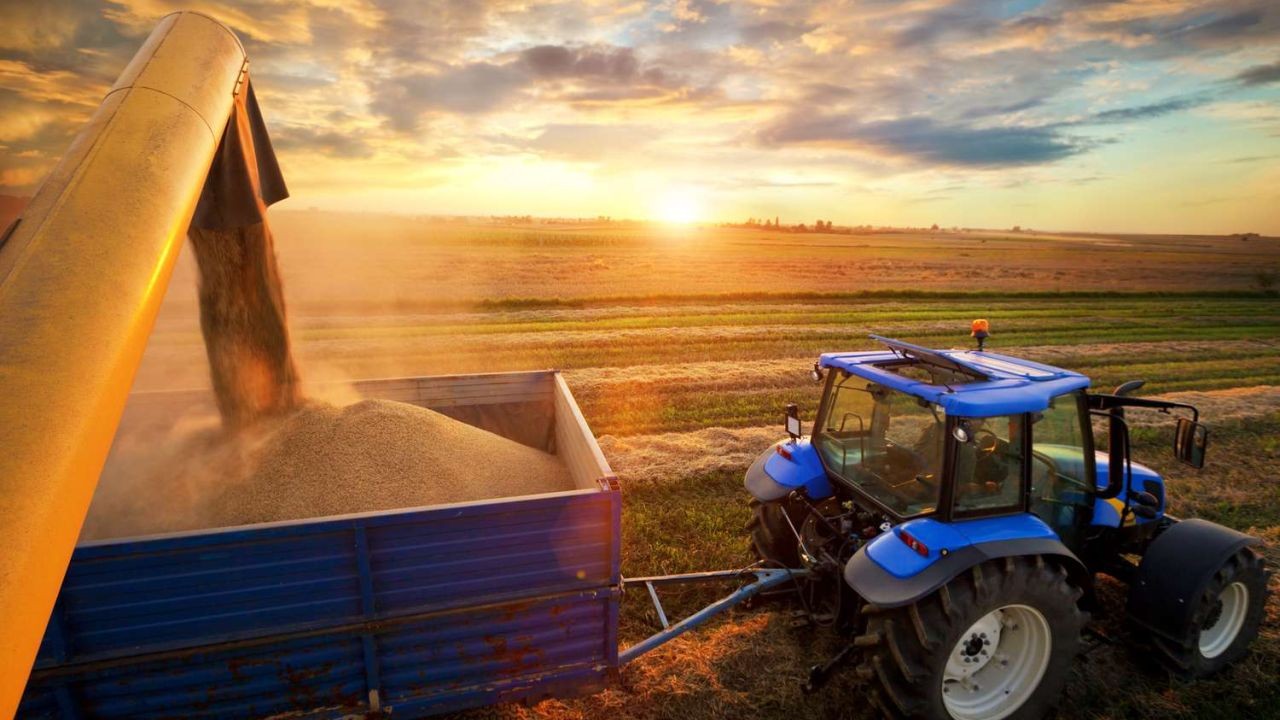






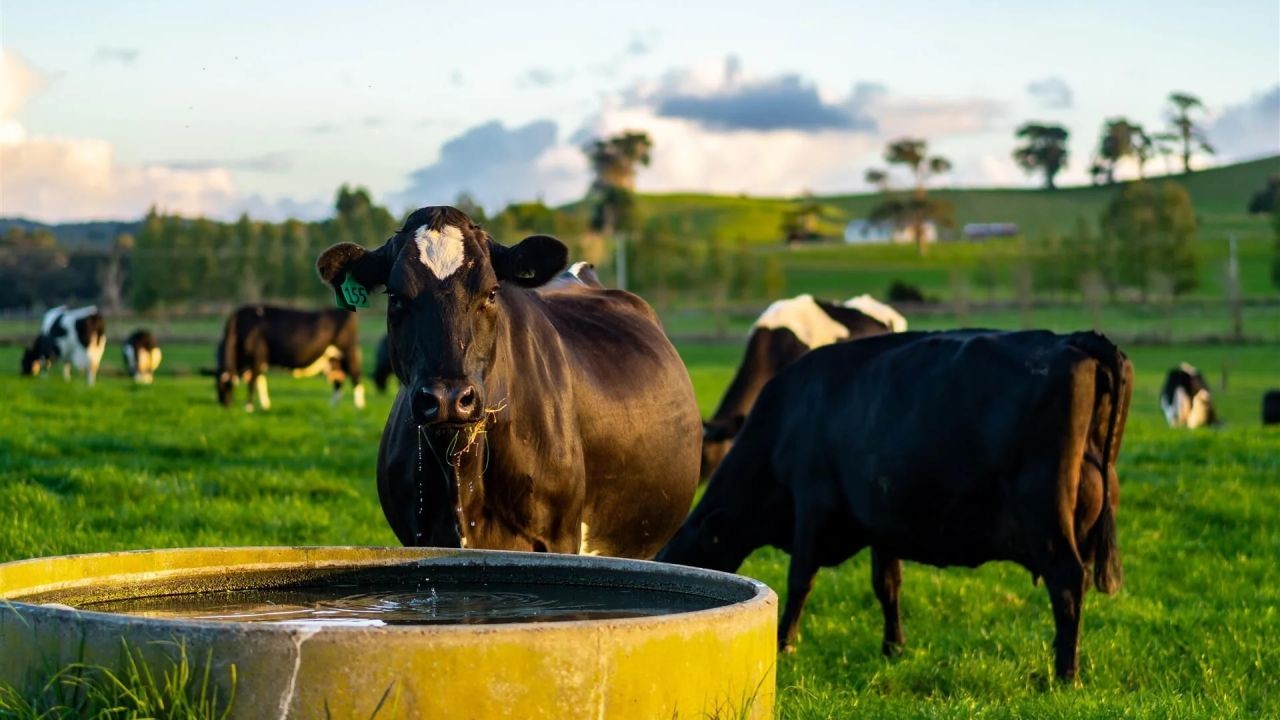
New Zealand's dairy industry is pivotal to its economy and has a significant global impact. As we delve into the intricacies of this sector, we uncover the factors that have propelled New Zealand to become a dairy powerhouse. This article explores the current state of the industry, future trends, expert insights, and the challenges that lie ahead. Additionally, we will debunk common myths and provide actionable strategies for stakeholders within the industry.
Current Landscape and Economic Significance
New Zealand's dairy industry is a cornerstone of its economy, contributing approximately 3% to the national GDP and accounting for over 20% of total exports. According to Stats NZ, dairy exports were valued at NZD 19.6 billion in 2023, making it the country's largest export earner. The industry supports thousands of jobs and forms the backbone of many rural communities.
Case Study: Fonterra – A Global Dairy Giant
Fonterra, New Zealand's largest dairy cooperative, exemplifies the industry's global reach.
Problem: Fonterra faced challenges in maintaining cost-effective production while expanding its global market share.
Action: The company invested in sustainable farming practices and technology to enhance productivity and reduce environmental impact. This involved implementing precision agriculture techniques and optimizing supply chain logistics.
Result: Fonterra increased efficiency by 15% and expanded its market presence in Asia, resulting in a 10% boost in annual revenue.
Takeaway: Sustainable practices not only enhance productivity but also improve global competitiveness. New Zealand businesses can leverage similar strategies to achieve growth.
Future Forecast and Emerging Trends
As the global demand for dairy products continues to rise, New Zealand's industry is poised for further growth. However, it must adapt to changing consumer preferences and environmental concerns.
Innovation in Dairy Production
- Alternative Dairy Products: The rise of plant-based alternatives is reshaping the market. New Zealand companies are exploring innovative dairy products, such as lactose-free and A2 milk, to meet evolving consumer demands.
- Technology Integration: Advances in technology, including IoT and AI, are transforming dairy farming. These tools help optimize herd health, productivity, and resource management, enhancing overall efficiency.
Sustainability and Environmental Impact
With increasing scrutiny on environmental practices, the dairy industry is under pressure to reduce its carbon footprint. The New Zealand government has introduced policies to promote sustainable farming, including the Emissions Trading Scheme, which incentivizes farmers to adopt eco-friendly practices. By 2030, it is predicted that 50% of New Zealand's dairy farms will implement carbon-neutral practices.
Debate & Contrasting Views
While the dairy industry is a significant economic driver, it faces criticism related to environmental degradation and animal welfare concerns.
Advocate Perspective
Proponents argue that the industry is essential for economic stability and rural development. They emphasize the industry's commitment to sustainability and technological advancements that mitigate environmental impacts.
Critic Perspective
Critics highlight the environmental consequences of intensive farming, including water pollution and greenhouse gas emissions. They advocate for a transition towards plant-based alternatives and stricter regulatory measures.
Middle Ground
A balanced approach involves investing in sustainable farming technologies while diversifying into alternative dairy products. This strategy can satisfy both economic and environmental objectives.
Expert Opinion & Thought Leadership
Dr. Jane Smith, an agricultural economist at Massey University, emphasizes the importance of innovation in maintaining global competitiveness. "New Zealand's ability to adapt to market trends and environmental challenges will determine its future success. Embracing technology and sustainability is crucial," she asserts.
Common Myths & Mistakes
- Myth: "Dairy farming is unsustainable in the long run." Reality: While challenges exist, sustainable practices and technological advancements are making dairy farming more viable.
- Myth: "Plant-based alternatives will replace dairy." Reality: Although plant-based products are gaining popularity, global dairy demand continues to grow, driven by emerging markets.
- Myth: "Environmental regulations hinder growth." Reality: Regulations encourage innovation and can lead to long-term industry sustainability and profitability.
Final Takeaways
- New Zealand's dairy industry is a crucial economic pillar, contributing significantly to GDP and exports.
- Technological innovation and sustainability are key to maintaining global competitiveness.
- Balancing economic growth with environmental responsibility is essential for the industry's future.
- Stakeholders must remain agile and responsive to market trends and regulatory changes.
Conclusion
New Zealand's dairy industry is a testament to the nation's agricultural prowess and adaptability. As the world navigates challenges related to sustainability and consumer preferences, the industry must continue to innovate and uphold its commitment to environmentally responsible practices. For stakeholders, the path forward involves embracing change and leveraging technology to ensure continued success in the global market.
People Also Ask (FAQ)
How does New Zealand's dairy industry impact the global market?New Zealand's dairy exports account for over 20% of the global supply, influencing prices and availability worldwide.
What are the biggest misconceptions about the dairy industry?A common myth is that dairy farming is unsustainable, but advancements in technology are improving efficiency and reducing environmental impact.
Related Search Queries
- New Zealand dairy industry trends
- Environmental impact of dairy farming in NZ
- Sustainable dairy farming practices
- Global dairy market analysis
- Future of dairy industry