




In the dynamic landscape of New Zealand's property market, a strategic renovation is no longer just about personal comfort—it's a calculated investment decision with a direct line to your bottom line. With the median house price in New Zealand sitting at $780,000 (as of Q4 2024, according to the Real Estate Institute of New Zealand), the margin for error in property improvement has never been slimmer. The key differentiator between a costly misadventure and a value-unlocking triumph lies in a disciplined, data-informed approach. This guide moves beyond generic advice to deliver a consultant's framework for identifying and executing the renovations that deliver the highest, most reliable return on investment (ROI) for Kiwi properties. We'll dissect market drivers, apply strategic models, and provide actionable blueprints to transform your renovation from a project into a portfolio-enhancing asset.
The Strategic Foundation: Understanding NZ's Value Drivers
Before swinging a single hammer, successful investors conduct a thorough strategic analysis. The New Zealand property market possesses unique characteristics, influenced by demographic shifts, environmental consciousness, and evolving lifestyle demands post-pandemic. A one-size-fits-all renovation strategy is a fast track to diminished returns.
From consulting with local businesses in New Zealand, particularly those in the building and real estate advisory sectors, a clear pattern emerges: value is increasingly defined by efficiency, sustainability, and flexible living. The 2018 Census data from Stats NZ highlighted a continued trend towards smaller household sizes, while MBIE's Building for Climate Change programme is actively pushing the sector towards zero-carbon ambitions. These aren't just policy footnotes; they are powerful signals shaping buyer preferences and, consequently, value.
The Renovation ROI Matrix: A Consultant's Prioritisation Tool
To systematically evaluate projects, I employ a simple yet powerful 2x2 matrix for clients, plotting potential renovations based on Cost/Complexity against Perceived Value & ROI.
- High ROI, Low Complexity (Quick Wins): These are non-negotiable. Think professional painting, modernising light fixtures and switches, landscaping curb appeal, and replacing dated floor coverings. The cost is manageable, and the visual impact is immediate.
- High ROI, High Complexity (Strategic Investments): This is where major value is created or lost. Kitchens and bathrooms remain the kings, but with a modern twist: energy efficiency and smart integration. Adding a minor dwelling (granny flat) in suitable zones also falls here, offering phenomenal rental yield potential.
- Low ROI, High Complexity (Value Traps): Over-specialised renovations. Converting a garage into a dedicated home cinema, installing a high-end swimming pool in a temperate climate, or overly personalised interior themes. You rarely recoup the cost.
- Low ROI, Low Complexity (Maintenance): Essential but not value-adding. Replacing a worn roof, repairing foundations, or upgrading outdated wiring. These protect value but don't significantly increase it beyond the cost incurred.
Key Action for Kiwi Investors: Map your planned renovations onto this matrix. Your capital and effort should be overwhelmingly focused on the "High ROI" quadrants. Always complete all "Quick Wins" before embarking on a "Strategic Investment."
Deep Dive: The Top Tier Strategic Investments for NZ
Let's move from framework to specifics. Based on my work with NZ SMEs in the construction and real estate fields, the following renovations consistently deliver superior returns when executed with market-aware precision.
1. The High-Efficiency Kitchen & Bathroom Refresh
The classic advice holds, but the specification has evolved. It’s no longer just about stone benchtops and a freestanding bath. The modern premium is attached to performance and sustainability.
- Kitchen: Focus on integrated, energy-efficient appliances (at least a 4-star energy rating). Soft-close cabinetry, clever storage solutions (pull-out pantries), and durable, low-maintenance surfaces are key. A butler's pantry or a dedicated coffee nook are high-impact, low-footprint additions that resonate strongly.
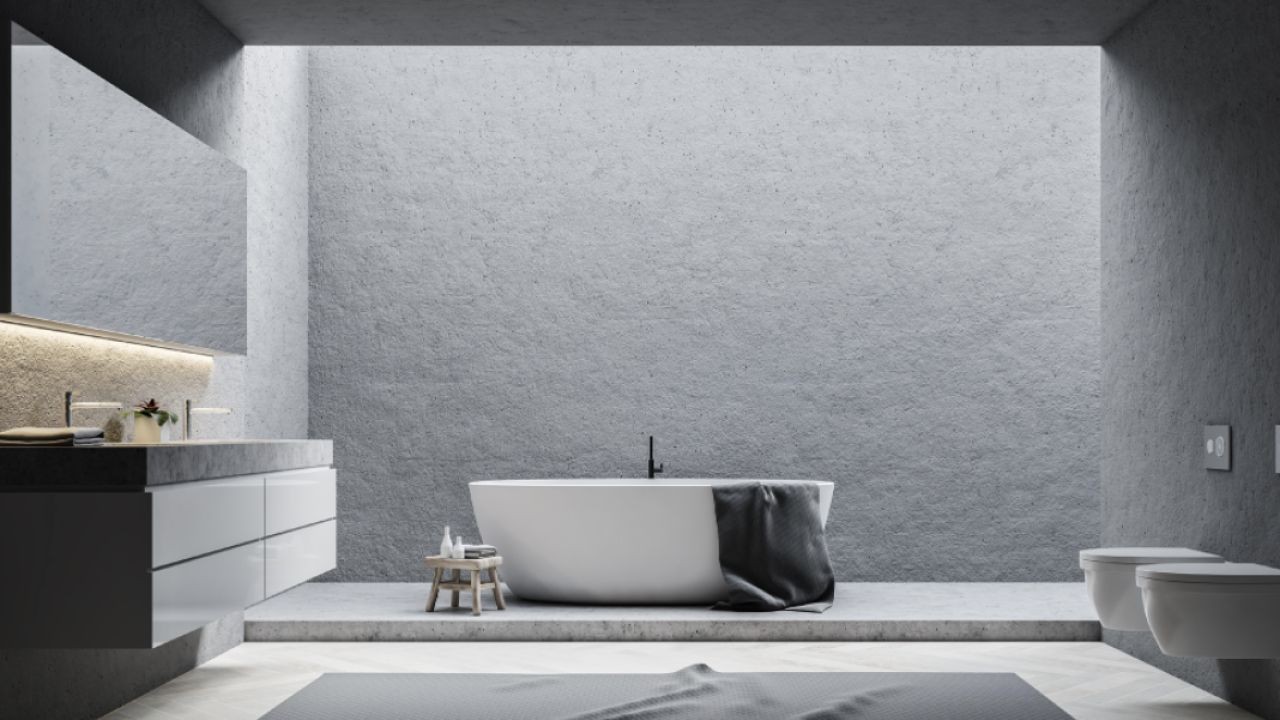
- Bathroom: Water efficiency is paramount. Install WELS 4-star or higher rated taps, showers, and toilets. Underfloor heating, especially with a dedicated heat pump system, is a luxury that pays dividends in marketing and comfort. Ensure excellent ventilation to prevent mould—a major red flag for NZ buyers.
Industry Insight: Having worked with multiple NZ startups in the proptech space, I see a surge in demand for "healthy home" certifications. Using products with Greentag or Environmental Choice New Zealand certifications can be a powerful differentiator, appealing to a growing segment of environmentally conscious buyers.
2. The Minor Dwelling (Granny Flat)
This is arguably the single most powerful value-adding renovation in the current New Zealand context, given the housing shortage and demand for flexible living. The key is to view it not as an afterthought but as a purpose-built asset.
- ROI Analysis: While construction can cost $150,000 - $300,000+, the potential to generate $400-$600+ per week in rental income creates a compelling yield. Moreover, CoreLogic data has consistently shown that well-executed minor dwellings can add significantly more than their build cost to the overall property value.
- Strategic Execution: Compliance is critical. Engage a designer familiar with your local council's Unitary Plan rules on size, height, boundary recessions, and parking. Design for broad appeal: a simple one-bedroom, open-plan layout with its own outdoor area and separate entrance has the widest rental and resale appeal.
3. The Envelope Upgrade: Insulation, Glazing, and Cladding
This is a "stealth" renovation that underwrites all others. A cold, damp house is a liability in New Zealand. Improving the building envelope speaks directly to operational cost savings (a major buyer concern) and well-being.
- Action: Top up ceiling and underfloor insulation to exceed building code minimums. The greatest impact, however, comes from upgrading old, single-glazed aluminium windows to modern, thermally broken aluminium or uPVC double-glazing. For older homes with monolithic cladding, a proactive recladding (even if not yet leaky) can remove a major market apprehension and unlock finance and buyer confidence.
Case Study: The Auckland Villa Transformation – From Damp to Desirable
Problem: A 1920s character villa in a central Auckland suburb was structurally sound but suffered from classic ailments: poor insulation, single-glazed windows, a damp subfloor, and an outdated 1990s kitchen. It was cold in winter, expensive to heat, and lingered on the market for months below the owner's expectation.
Action: The owners, advised by a strategic project manager, took a holistic envelope-first approach before any cosmetic work.
- Comprehensive underfloor and ceiling insulation was installed, and subfloor ventilation was improved.
- All windows were replaced with high-performance double-glazed units matching the villa style.
- The kitchen was then fully renovated with a focus on storage and efficient appliances, opening slightly to a new deck.
- Finally, a full repaint in a modern, neutral palette was completed.
Result: The property was re-listed with a clear marketing message focused on "warm, dry, character living with modern efficiency." It sold at auction within three weeks for 22% above the previous asking price, with the selling agent citing the documented thermal upgrades as a key driver for multiple bidders. The total renovation cost was approximately $185,000, but the net value increase was estimated at over $280,000.
Takeaway: This case underscores a vital lesson for New Zealand's older housing stock: addressing fundamental performance issues (warmth, dryness) is not just maintenance—it's a high-ROI strategic investment that enables the cosmetic upgrades to realise their full value potential.
The Great Debate: High-Tech Smart Home vs. High-Performance Basics
A contentious point among developers and renovators is where to allocate the technology budget. Let's contrast the two perspectives.
✅ The Advocate for Smart Tech Integration: A fully integrated smart home system (lighting, security, heating, audio) is the new premium standard. It offers convenience, security, and energy management. For the tech-savvy buyer, it's a powerful draw and can future-proof the property. Systems like Google Nest or Philips Hue are relatively low-cost to install during a renovation and can be a strong marketing point.
❌ The Critic's Perspective (Prioritising the Envelope): Spending $15,000 on a smart system is a poor investment if the house still has single-glazed windows and inadequate insulation. The tech becomes a gimmick atop a fundamentally inefficient asset. The critic argues that every dollar must first go into reducing the home's operational cost base (heating/cooling) through passive design principles—superior insulation, glazing, and solar orientation. A warm, quiet house is a universal value; a voice-activated lighting system is not.
⚖️ The Consultant's Middle Ground: The performance baseline is non-negotiable. First, achieve a high-performance thermal envelope. Then, layer in selected, non-proprietary smart features that offer clear utility. This includes:
- Smart thermostats for heat pumps (which optimise energy use).
- Smart locks and video doorbells for security.
- Pre-wiring for fibre and networking in key areas.
- Simple, app-controlled exterior lighting.
Avoid expensive, hardwired whole-home systems that may become obsolete. Choose interoperable devices that any new owner can easily adopt.
Common Myths & Costly Mistakes to Avoid
Navigating renovations requires dispelling pervasive myths that can erode your ROI.
Myth 1: "Adding square footage always adds value." Reality: Poorly planned additions can be a value trap. A large, poorly oriented, or awkwardly accessed extension may not return its cost. Quality of space trumps sheer quantity. A well-designed 20sqm deck or sunroom that connects indoor/outdoor flow often adds more perceived value than a 40sqm boxy bedroom addition.
Myth 2: "I should renovate to my personal taste; buyers will love it." Reality: This is the single greatest risk. Over-personalisation (bold feature walls, very niche design themes, expensive custom fixtures) narrows your buyer pool. In practice, with NZ-based teams I’ve advised, we consistently see that neutral, high-quality finishes allow buyers to envision their own lives in the space, maximising appeal and competition.
Myth 3: "DIY saves money and adds the same value." Reality: While DIY can save on labour for simple tasks, poor workmanship is instantly visible to buyers and agents, significantly discounting the perceived value. Complex trades (electrical, plumbing, structural, plastering) should always be handled by licensed professionals. A botched job costs twice as much to fix.
Biggest Mistakes to Avoid:
- Under-budgeting: A 2023 report from the Building Disputes Tribunal noted that over 60% of residential renovation disputes stem from cost blowouts. Always include a contingency of 15-20%.
- Skipping Professional Design: Using a draftsperson or architect seems like an extra cost but pays for itself in optimal space planning, avoiding compliance issues, and creating cohesive appeal that attracts buyers.
- Ignoring the Street Appeal (Curb Appeal): The first 10 seconds determine buyer interest. Neglecting the front façade, fence, garden, and entrance is a catastrophic error. This is your highest-ROI "Quick Win" zone.
Future Trends: The Next Wave of Value-Adding Renovations
Looking ahead, the definition of 'smart' is evolving from gadgetry to resilience and adaptability. Based on industry analysis and MBIE's strategic direction, here are the next frontier investments:
- Electrification & Vehicle Integration: Pre-wiring for EV chargers in the garage is becoming a standard expectation for a growing segment of the market. Upgrading the switchboard to handle future load is a savvy, low-cost preparatory move.
- Water Independence: In drought-prone regions, installing rainwater tanks for garden use or even with filtration for household non-potable use is a rising value proposition. It speaks to both environmental consciousness and practical resilience.
- The Adaptive Space: Post-COVID, the demand for a dedicated, professional-grade home office space has solidified. However, the next trend is adaptable spaces—rooms that can seamlessly function as an office, a guest room, or a hobby space with clever built-in storage and connectivity.
Final Takeaways & Strategic Action Plan
- 🔍 Diagnose First: Conduct a pre-renovation audit focusing on the building envelope (insulation, moisture, glazing) before any cosmetic upgrades.
- 📊 Apply the Matrix: Use the ROI Matrix to ruthlessly prioritise projects, focusing on High-ROI quadrants. Complete all Quick Wins.
- 🏡 Think Dual-Income: In suitable locations, a compliant minor dwelling is the ultimate strategic investment for yield and capital gain.
- ⚡ Efficiency is the New Luxury: Invest in warmth, dryness, and low running costs. This is a universal value driver in NZ.
- 🎨 Neutralise to Maximise: Personal taste must be subordinate to broad market appeal. Quality and neutrality win.
People Also Ask (FAQ)
What is the single best renovation for ROI in New Zealand? While kitchens and bathrooms are top contenders, the highest percentage ROI often comes from a combination of "Quick Wins": professional painting, landscaping, and lighting upgrades. For a major project, a compliant minor dwelling typically offers the strongest combined yield and capital value increase.
How much should I spend on a renovation to add value? As a rule of thumb, total renovation spend should not exceed 10-15% of the property's current unrenovated value for a standard refresh, unless you are undertaking a major strategic addition like a minor dwelling. Always get comparative market appraisals pre- and post-renovation plans.
Does a new heat pump system add value? Absolutely. A modern, multi-unit heat pump system providing whole-home heating and cooling is now a baseline expectation for many buyers, especially in colder regions. It directly addresses operational costs and comfort, which are primary purchase decision factors.
Related Search Queries
- cost vs value report New Zealand 2024
- granny flat building costs NZ
- best insulation for existing NZ house
- does double glazing increase home value NZ
- minor dwelling council consent process Auckland
- kitchen renovation ROI New Zealand
- healthy homes standards renovation requirements
- adding a bathroom cost NZ
- prefab minor dwelling options NZ
- how to finance a renovation for investment NZ
Final Call to Action: Your renovation should be governed by the discipline of an investment portfolio manager, not the whims of a hobbyist. Begin with a strategic audit, prioritise based on data-driven ROI, and execute with a focus on quality and broad market appeal. The New Zealand market rewards intelligence and punishes indulgence. Ready to transform your property's potential? Start by mapping your plans against the ROI Matrix—it’s the first strategic step toward unlocking significant, measurable value.
For the full context and strategies on Smart Renovations That Increase Property Value in NZ, see our main guide: Customer Trust Brand Storytelling Videos Nz.