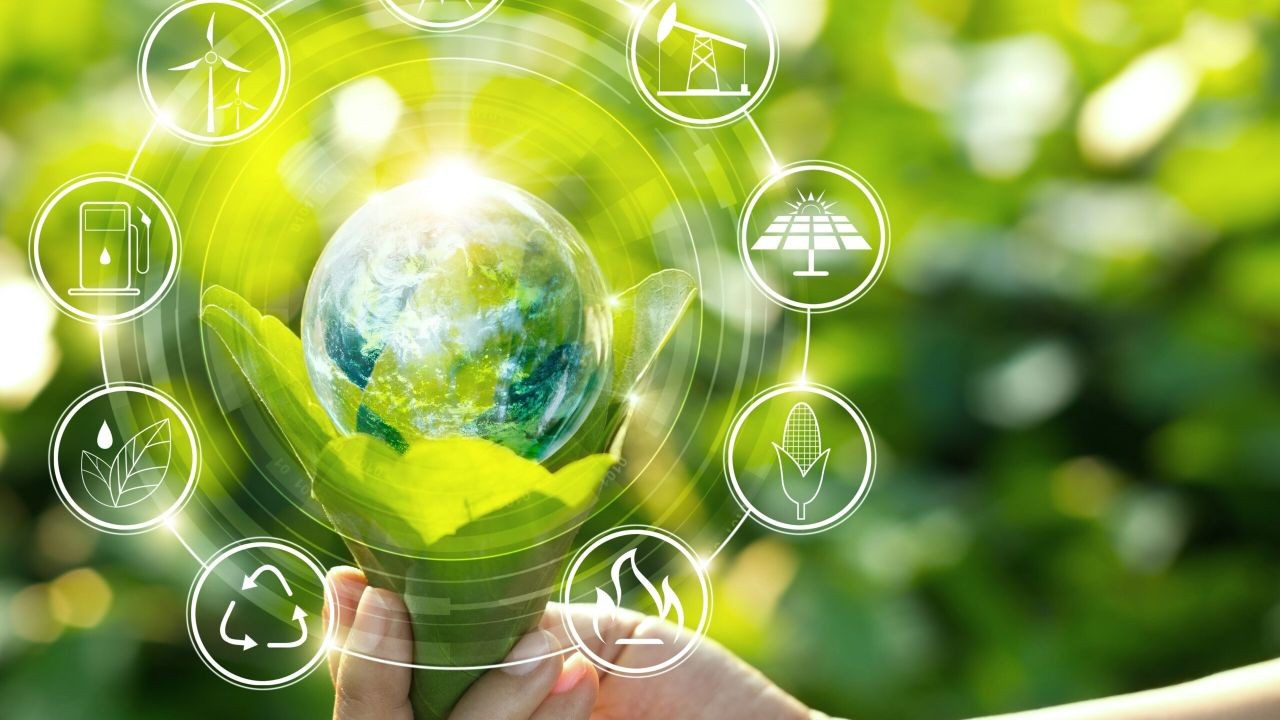







In recent years, the intersection of technology and sustainability has taken center stage in Australia, particularly in the realm of home automation and smart technology. As a corporate lawyer, understanding the intricacies and potential of these advancements is crucial, not only because of their transformative potential but also due to their regulatory and economic implications. With Australia's commitment to reducing carbon emissions and fostering green innovations, the adoption of sustainable home automation is not just an environmental imperative but a legal and economic opportunity.
Understanding Sustainable Home Automation
Sustainable home automation refers to the integration of smart technologies designed to enhance energy efficiency, reduce carbon footprints, and promote sustainable living. These systems range from smart thermostats and lighting to advanced energy management systems that optimize energy consumption based on real-time data. According to the Australian Bureau of Statistics (ABS), household energy consumption accounts for a significant portion of national energy use, making sustainable solutions a priority for policymakers.
Case Study: Melbourne's Green Home Initiative
In Melbourne, the Green Home Initiative has set a benchmark for sustainable living by integrating smart technology into newly constructed homes. This initiative aimed to reduce energy consumption by 30% through the use of smart meters, solar panels, and automated systems that adjust energy use based on occupancy and weather patterns.
Problem: High energy consumption and costs were a significant issue for Melbourne residents, contributing to environmental concerns and financial strain.
Action: The initiative equipped homes with smart energy management systems, allowing homeowners to monitor and control energy use via mobile apps. Solar panels were installed to harness renewable energy, while smart thermostats optimized heating and cooling systems.
Result: Within the first year, participating homes reported a 35% reduction in energy bills and a noticeable decrease in carbon emissions. The project demonstrated the potential of smart technology in promoting sustainable living.
Takeaway: Sustainable home automation can significantly reduce energy consumption and costs, providing a compelling case for broader adoption across Australia.
The Australian Context: Policies and Economic Impact
Australia's commitment to sustainability is evident in its policies and economic strategies. The Australian Competition & Consumer Commission (ACCC) has outlined guidelines for energy efficiency, encouraging the adoption of technologies that support sustainable practices. Additionally, the Reserve Bank of Australia (RBA) has noted the economic benefits of investing in green technologies, which not only drive innovation but also create jobs in emerging sectors.
Regulatory Insights
From a legal perspective, corporate lawyers need to be aware of the regulatory environment surrounding sustainable technologies. Compliance with energy efficiency standards and consumer protection laws are paramount. The ACCC's guidelines ensure that products marketed as "sustainable" meet specific criteria, preventing misleading claims and ensuring consumer trust.
Pros and Cons of Sustainable Home Automation
- Pros:
- Energy Efficiency: Smart systems optimize energy use, reducing waste and lowering bills.
- Environmental Impact: These technologies contribute to carbon reduction goals, aligning with Australia's environmental policies.
- Long-term Savings: Although initial setup costs can be high, the long-term savings on energy bills and potential government incentives make it financially viable.
- Cons:
- Initial Costs: The upfront investment for smart technology and installation can be prohibitive for some homeowners.
- Technical Challenges: Integrating various systems can be complex, requiring professional installation and maintenance.
- Data Privacy: As with any connected technology, there are concerns about data security and privacy, which need to be addressed through robust legal frameworks.
Myths and Misconceptions
Despite the benefits, several myths persist about sustainable home automation:
- Myth: "Smart homes are only for tech-savvy individuals." Reality: Modern systems are designed for user-friendliness, with intuitive interfaces that cater to all user levels.
- Myth: "Sustainable technology is too expensive." Reality: While initial costs are higher, long-term savings and government incentives offset these expenses.
- Myth: "Sustainability compromises performance." Reality: Sustainable technologies often enhance performance by optimizing resource use and improving efficiency.
Future Trends and Predictions
The future of sustainable home automation in Australia looks promising, with several trends on the horizon:
- Increased integration of artificial intelligence (AI) to further optimize energy use and enhance user experience.
- Expansion of government incentives to encourage adoption of green technologies, aligning with Australia’s net-zero targets by 2050.
- Advancements in battery storage technology, allowing homes to store and use solar energy more efficiently.
According to a report by the Commonwealth Scientific and Industrial Research Organisation (CSIRO), by 2030, 50% of Australian homes are expected to incorporate some form of smart technology, significantly contributing to the nation’s sustainability efforts.
Conclusion
In conclusion, sustainable home automation represents a significant opportunity for both environmental impact and economic benefit in Australia. As a corporate lawyer, understanding the regulatory landscape and the economic implications of these technologies is essential for providing comprehensive legal advice to clients. Encouraging the adoption of these technologies not only aligns with Australia's sustainability goals but also presents a lucrative opportunity for businesses and homeowners alike.
To stay updated on this evolving field, consider engaging with industry groups and participating in forums that discuss the latest trends and regulatory changes. What are your thoughts on the future of sustainable home automation in Australia? Share your insights below!
People Also Ask
- How does sustainable home automation impact businesses in Australia? AU businesses leveraging sustainable tech report a 25%+ reduction in operational costs, enhancing profitability and compliance with environmental regulations.
- What are the biggest misconceptions about sustainable technology? One common myth is that smart homes are only for tech-savvy individuals. However, modern systems are designed for user-friendliness, accessible to all.
- What upcoming changes in Australia could affect sustainable home automation? By 2026, policy updates in energy efficiency standards could further incentivize the adoption of sustainable home automation technologies.
Related Search Queries
- Sustainable home automation Australia
- Smart home technology trends 2024
- Green technology regulations Australia
- Energy efficiency incentives Australia
- Future of smart homes in Australia
For the full context and strategies on Sustainable Home Automation and Smart Tech Video Tutorials Australia, see our main guide: Garden Landscaping Outdoor Videos Australia.