






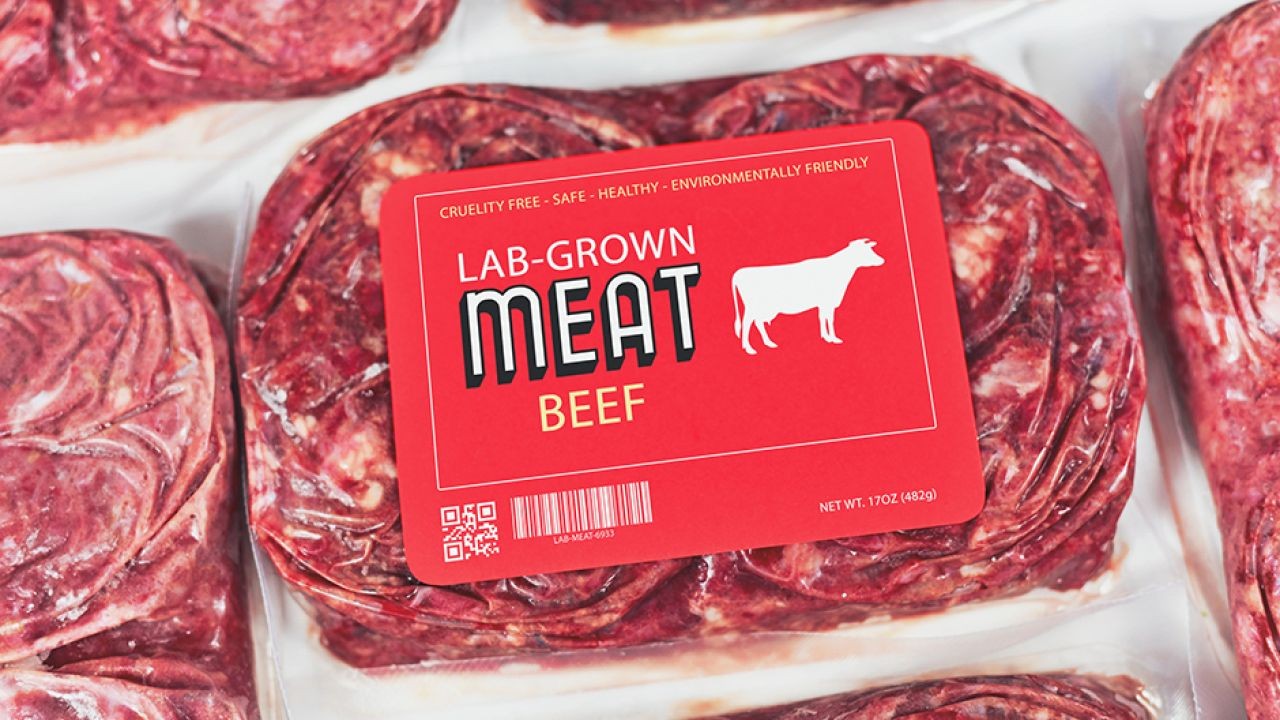
In an era where sustainability is at the forefront of global discourse, the question of whether lab-grown meat will become a staple in our diets is increasingly relevant. As climate change concerns mount and traditional agriculture faces scrutiny for its environmental impact, lab-grown meat, also known as cultured meat, emerges as a potential game-changer. This exploration delves into the future of food production, especially in New Zealand, a nation with a rich agricultural heritage and a growing commitment to sustainability.
The Rise of Lab-Grown Meat: A Sustainability Perspective
Lab-grown meat is produced by culturing animal cells in a controlled environment, eliminating the need for raising and slaughtering livestock. This innovative method promises significant environmental benefits. According to a study by the University of Auckland, switching to lab-grown meat could reduce land use by 99% and water use by 96% compared to traditional beef production. This could be transformative for New Zealand, where agriculture is a major economic driver but also a significant source of greenhouse gas emissions.
Case Study: New Zealand's Commitment to Sustainable Agriculture
New Zealand has been proactive in addressing climate change through its agricultural practices. The government has pledged to reduce methane emissions from agriculture by 10% by 2030 and 47% by 2050. This commitment aligns with the potential benefits of lab-grown meat, which boasts a 96% reduction in methane emissions compared to conventional beef, according to a report by the Ministry for Primary Industries. This shift could help New Zealand meet its climate commitments while maintaining its status as a leading meat exporter.
Lab-Grown Meat: Pros and Cons
✅ Pros:
- Environmental Impact: Lab-grown meat significantly reduces land, water, and energy use.
- Animal Welfare: Eliminates the need for animal slaughter, addressing ethical concerns.
- food security: Provides a stable and scalable food source unaffected by disease outbreaks in livestock.
- Customizable Nutrition: Potential to tailor nutritional content to meet dietary needs.
❌ Cons:
- High Production Costs: Currently more expensive than conventional meat due to technology costs.
- Public Perception: Consumer acceptance is still a hurdle, with many skeptical of lab-grown foods.
- Regulatory Challenges: New regulations are needed to ensure safety and labeling standards.
- Limited Product Range: Currently focused on beef, with other meats still in development stages.
Debate: Will Lab-Grown Meat Replace Traditional Meat?
The debate on lab-grown meat's potential to replace traditional meat is multifaceted. Advocates argue that its environmental benefits and ethical considerations make it a superior choice. Critics, however, highlight the cultural and economic importance of traditional farming, especially in regions like New Zealand, where agriculture is deeply integrated into the national identity.
Interestingly, a middle ground is emerging. Hybrid products that combine lab-grown and plant-based ingredients are gaining traction. These products aim to capture the best of both worlds, offering sustainability with taste and texture akin to traditional meat. In New Zealand, companies are exploring these hybrid solutions, aligning with the country's dual commitment to innovation and tradition.
Common Myths About Lab-Grown Meat
- Myth: Lab-grown meat is unnatural and unsafe.
- Reality: Extensive research and trials ensure that lab-grown meat is safe and nutritionally equivalent to traditional meat (Source: University of Auckland).
- Myth: Lab-grown meat lacks flavor.
- Reality: Advances in flavor science have led to lab-grown meat that closely mimics the taste of conventional meat (Source: NZTech).
- Myth: Lab-grown meat will remain prohibitively expensive.
- Reality: Production costs are rapidly decreasing as technology advances, making it more accessible (Source: MBIE).
Potential Impact on New Zealand's Economy
New Zealand's economy, heavily reliant on agriculture, could experience both challenges and opportunities with the rise of lab-grown meat. On one hand, it could disrupt traditional farming practices and affect rural employment. On the other, it presents an opportunity for New Zealand to lead in sustainable food technology, potentially creating new industries and export markets. According to Stats NZ, the agriculture sector accounts for 7% of the GDP, highlighting the need for strategic adaptation to maintain economic stability.
Future Trends and Predictions
By 2030, it is predicted that lab-grown meat could account for 35% of global meat consumption, according to a report by Deloitte. In New Zealand, this shift could align with national sustainability goals and consumer preferences for environmentally-friendly products. The country's robust research infrastructure and commitment to innovation position it well to capitalize on this trend, potentially establishing New Zealand as a leader in the global lab-grown meat market.
Conclusion: The Path Forward for New Zealand
The future of food in New Zealand is poised for transformation. Embracing lab-grown meat could significantly aid in achieving environmental targets while opening new economic avenues. As consumer acceptance grows and production costs decrease, lab-grown meat could become a staple in New Zealand diets. The key lies in balancing innovation with tradition, ensuring that both new and existing industries thrive in a sustainable future.
What’s your take on the future of lab-grown meat in New Zealand? Share your insights and join the conversation!
People Also Ask (FAQ)
- How does lab-grown meat impact New Zealand's economy?Lab-grown meat could disrupt traditional farming but also create new tech-driven industries, aligning with NZ's sustainability goals.
- What are the biggest misconceptions about lab-grown meat?Many believe it's unsafe, but research from the University of Auckland confirms its safety and nutritional equivalence.
- What are the best strategies for implementing lab-grown meat in NZ?Start with awareness campaigns, invest in R&D, and ensure regulatory frameworks are in place for safe consumer integration.
- What upcoming changes in New Zealand could affect lab-grown meat?Policy updates in agriculture focusing on sustainability could accelerate lab-grown meat adoption by 2026.
- Who benefits the most from lab-grown meat?Consumers, environmentalists, and tech-driven agricultural businesses will benefit from increased sustainability and innovation.
Related Search Queries
- Lab-grown meat New Zealand
- Sustainable food production NZ
- Environmental impact of lab-grown meat
- Future of agriculture in New Zealand
- Innovation in food technology NZ
- New Zealand sustainable farming practices
- Lab-grown vs. traditional meat
- Consumer acceptance of lab-grown meat
- Regulations for cultured meat in NZ