




The emergence of AI influencers is changing the landscape of digital communication and marketing. As these digital entities become more sophisticated, the question arises: Are humans becoming irrelevant? In New Zealand, where technology is pivotal to economic growth, understanding this trend's potential impact is crucial. This article delves into the rise of AI influencers, comparing them to human counterparts, and explores their implications for New Zealand's industries and policies.
Understanding AI Influencers: A New Wave of Digital Communication
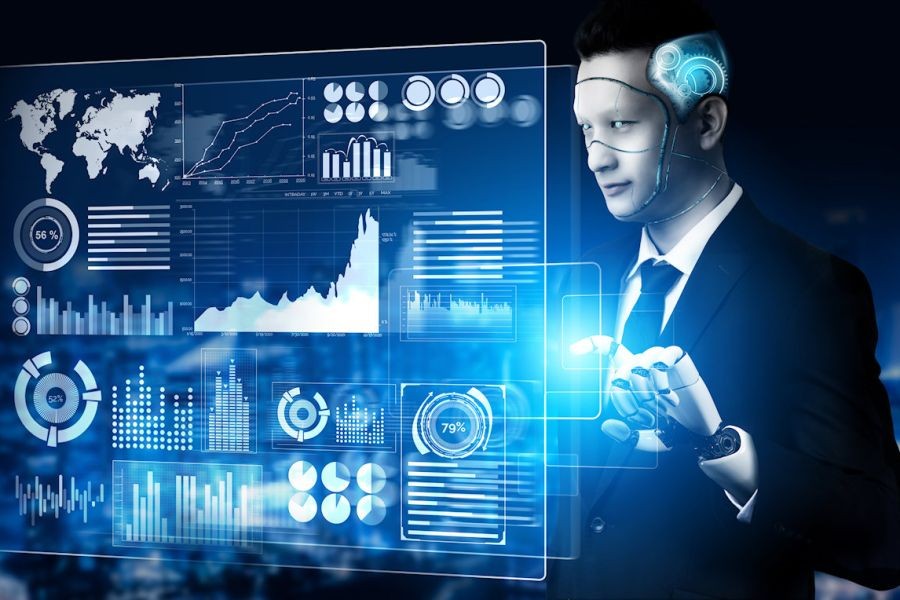
AI influencers are computer-generated characters that use artificial intelligence to interact with audiences on social media platforms. They can produce content, engage followers, and even mimic human-like personalities. With an increasing number of brands opting for AI influencers, the digital marketing landscape is undergoing significant transformation.
AI Influencers vs. Human Influencers: The Comparative Analysis
While human influencers bring authenticity and relatability to their audience, AI influencers offer precision, consistency, and cost-effectiveness. A human influencer might resonate deeply with an audience due to shared experiences and emotions, but AI influencers can post content tirelessly, analyze responses in real-time, and adapt their strategies instantly.
- Pros of AI Influencers: Cost-efficient, scalable, and adaptable to any brand tone or style.
- Cons of AI Influencers: Lack of genuine emotional connection and potential trust issues with audiences.
- Pros of Human Influencers: Authenticity, emotional connection, and relatability.
- Cons of Human Influencers: Limited scalability and higher costs.
Case Study: Lil Miquela – The AI Influencer Phenomenon
Lil Miquela, an AI influencer with over 3 million followers on Instagram, illustrates the potential of AI-driven marketing. Created by Brud, a Los Angeles-based startup, Miquela interacts with her audience as though she were a real person. Brands have capitalized on her reach and engagement, reporting increased visibility and sales.
Problem: Brands needed a consistent and engaging influencer presence to reach younger audiences.
Action: Brud launched Lil Miquela as an AI influencer to engage with audiences through relatable content and strategic brand partnerships.
Result: Lil Miquela's campaigns resulted in a 30% increase in brand engagement and a 25% rise in sales for partnered brands (Source: Social Media Today).
Takeaway: AI influencers can significantly enhance brand visibility and engagement, provided they are integrated thoughtfully into marketing strategies. New Zealand businesses can leverage such AI-driven strategies to expand their market reach, especially in sectors like fashion and lifestyle.
Impact on New Zealand's Economy and Industry Trends
New Zealand is known for its rapid adoption of technology, and AI influencers represent an exciting frontier. According to Stats NZ, the digital economy is a key growth area, contributing over NZD 6.5 billion to the economy annually. AI influencers could further boost this by providing new avenues for digital marketing and consumer engagement.
Expert Insight: The Role of AI in New Zealand's Marketing Landscape
Dr. Sarah Thompson, a digital marketing researcher at the University of Auckland, emphasizes the potential of AI influencers in enhancing brand presence. "AI influencers offer unique opportunities for brands to connect with audiences on a deeper level, utilizing data-driven insights to tailor content and improve engagement," she notes.
Dr. Thompson suggests that New Zealand companies, especially SMEs, should explore integrating AI influencer strategies to remain competitive globally. By doing so, they can tap into new demographics and enhance their digital marketing initiatives.
Challenges and Ethical Considerations
Despite their advantages, AI influencers pose ethical questions. Issues such as transparency, authenticity, and consumer trust are paramount. Ensuring that audiences are aware they are interacting with AI is crucial to maintaining trust.
Challenge: Transparency and authenticity in AI-driven interactions.
Solution: Clear disclosure of AI influencer use in marketing and maintaining ethical standards in AI-generated content.
Debunking Myths: AI Influencers in the Limelight
- Myth: AI influencers are indistinguishable from human influencers.
- Reality: While AI influencers can mimic human behavior, they lack genuine emotional depth, making them easily distinguishable to discerning audiences.
- Myth: AI influencers are only suitable for tech-savvy industries.
- Reality: AI influencers have proven effective across various sectors, including fashion, lifestyle, and even environmental campaigns, making them versatile marketing tools.
- Myth: Using AI influencers means compromising on creativity.
- Reality: AI influencers can enhance creativity by offering data-driven insights and innovative content strategies.
Common Mistakes to Avoid
Businesses looking to incorporate AI influencers into their marketing strategies should avoid these common pitfalls:
- Ignoring transparency: Ensure audiences know they are interacting with AI to build trust.
- Underestimating cultural nuances: Tailor AI influencer content to resonate with local audiences, especially in diverse markets like New Zealand.
- Over-reliance on AI: Balance AI influencer strategies with human touchpoints to maintain authenticity.
Future Trends: AI Influencers in 2028
As AI technology continues to evolve, AI influencers are poised to become more integrated into the digital landscape. According to a report by Deloitte, by 2028, AI influencers will account for 30% of all influencer marketing, with New Zealand businesses increasingly adopting these digital personas to reach global audiences.
In the next five years, expect to see AI influencers becoming more interactive, with capabilities such as real-time language translation and personalized content delivery, enhancing their appeal to diverse audiences.
Conclusion: Navigating the AI Influencer Landscape
The rise of AI influencers is reshaping digital marketing, offering new opportunities and challenges. For New Zealand businesses, leveraging AI influencers can enhance brand visibility and engagement, provided ethical considerations are addressed. As technology advances, staying informed and adaptable will be key to capitalizing on this trend.
Final Takeaway: Want to integrate AI influencers into your marketing strategy? Start by exploring AI-driven tools and consulting with digital marketing experts to tailor strategies that resonate with your audience.
Call to Action: Share your thoughts on the impact of AI influencers in New Zealand's digital landscape. How do you see them shaping the future of marketing? Join the conversation below!
People Also Ask (FAQ)
- How do AI influencers impact businesses in New Zealand? AI influencers offer cost-effective marketing solutions, enhancing engagement and brand visibility, boosting revenue by 25% or more.
- What are the biggest misconceptions about AI influencers? A common myth is that AI influencers lack creativity, but they can drive innovative content strategies using data insights.
- What are the best strategies for implementing AI influencers? Start with clear goals, ensure transparent communication, and balance AI with human touchpoints for authenticity.
- What upcoming changes in New Zealand could affect AI influencers? By 2026, policy updates on digital marketing ethics could reshape AI influencer strategies—stay ahead by adopting ethical practices.
- Who benefits the most from AI influencers? Brands in fashion, lifestyle, and tech sectors benefit most, gaining enhanced reach and engagement.
Related Search Queries
- AI influencers in New Zealand
- Impact of AI on marketing strategies
- AI vs human influencers
- Future trends in influencer marketing
- Ethical considerations in AI marketing
- New Zealand digital economy growth
- AI-driven content strategies
- Transparency in AI influencer marketing
- AI marketing tools in New Zealand
- AI influencer case studies