





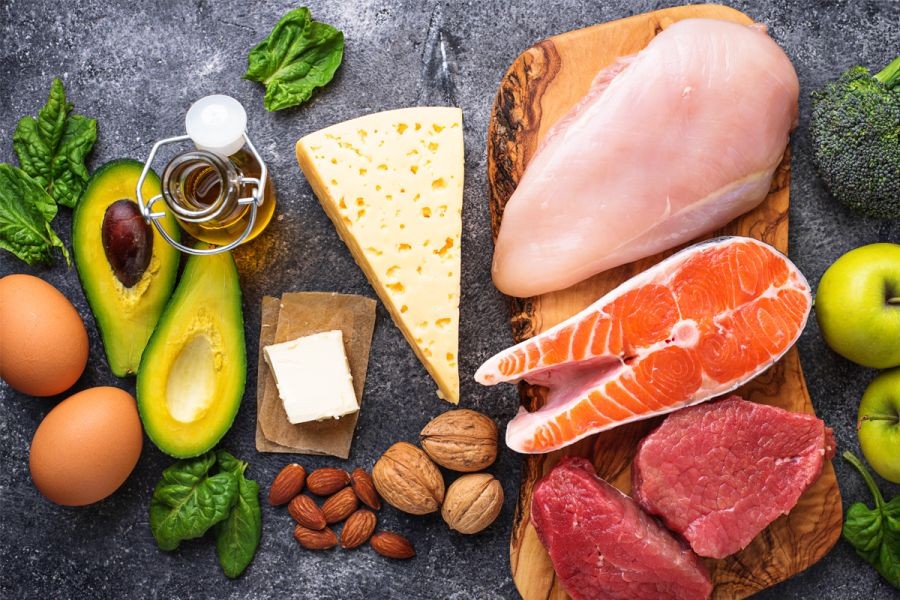
The ketogenic diet (keto) has gained immense popularity for its ability to promote weight loss, improve energy levels, and regulate blood sugar. However, women experience the keto diet differently than men due to hormonal variations, metabolic responses, and unique nutritional needs. In this article, we’ll explore how keto affects women specifically, its potential benefits, and key considerations for optimizing results.
Why the keto conversation looks different for women in New Zealand
In New Zealand, the keto diet has moved well beyond niche fitness circles. It is now discussed in GP clinics, workplace lunchrooms, and online parenting forums, often with very different experiences reported by women than by men. Some women describe improved energy, better blood sugar control, and weight stability. Others report fatigue, disrupted cycles, or stalled results despite strict adherence.
This divide has fuelled confusion. Much of the public keto narrative is based on male physiology, short-term studies, or overseas health cultures that do not fully translate to New Zealand’s healthcare system or dietary norms. For women, whose metabolism is tightly linked to hormonal signalling and life stage, the impact of keto is more context-dependent than many popular accounts suggest.
Understanding keto’s true potential for women requires moving past universal claims and examining how it interacts with different phases of life, from reproductive years to menopause, within the realities of New Zealand living.
How keto works, and why female biology complicates the picture
At its core, the ketogenic diet shifts the body from relying primarily on glucose to using ketones derived from fat as a main energy source. This metabolic state, known as ketosis, alters insulin levels, appetite regulation, and fuel utilisation.
For men, this shift often produces relatively predictable outcomes. For women, the picture is more complex. Female bodies are biologically primed to sense energy availability and protect reproductive capacity. Significant carbohydrate restriction can be interpreted by the body as a signal of scarcity, particularly if combined with stress, under-eating, or high training loads.
In New Zealand, where many women juggle paid work, caregiving, and long commutes, these stressors are common. Keto does not operate in isolation. Its effects are shaped by sleep, workload, and baseline metabolic health.
Keto during the reproductive years
Weight management and insulin sensitivity
For women with insulin resistance, polycystic ovary syndrome, or a history of gestational diabetes, keto can offer meaningful benefits. Lower carbohydrate intake often stabilises blood sugar and reduces insulin spikes, which may support weight management and metabolic health.
Some New Zealand clinicians report positive outcomes for women who adopt a moderate, well-structured ketogenic approach under guidance. These benefits tend to appear when calorie intake remains adequate and the diet includes sufficient protein and micronutrients.
Menstrual cycle responses
Menstrual disruption is one of the most commonly reported concerns among women starting keto. Missed or irregular periods are not universal, but they are significant enough to warrant attention.
These changes are not necessarily caused by ketosis itself, but by an overall energy deficit or rapid weight loss. In a healthcare system where women’s symptoms are sometimes normalised or dismissed, cycle changes can be an early signal that dietary stress is exceeding the body’s tolerance.
For women of reproductive age, keto tends to work best when it is flexible, periodically adjusted, and responsive to hormonal feedback rather than rigidly enforced.
Pregnancy, postpartum, and breastfeeding considerations
In New Zealand, dietary advice during pregnancy and breastfeeding is generally conservative, prioritising nutritional adequacy and fetal development over metabolic experimentation.
Strict ketogenic diets are rarely recommended during pregnancy. Glucose remains an important fuel for fetal growth, and overly restrictive diets may increase stress hormones. Postpartum, some women are drawn to keto for weight loss, but energy demands during breastfeeding are high and carbohydrate needs vary.
Health professionals increasingly emphasise that postpartum recovery is not an ideal time for aggressive dietary restriction. In this stage of life, modified low-carbohydrate approaches that focus on whole foods rather than sustained ketosis are generally considered safer and more sustainable.
Keto and midlife metabolic change
Perimenopause and insulin sensitivity
For many New Zealand women, midlife brings metabolic shifts that feel sudden and frustrating. Weight gain around the abdomen, reduced muscle mass, and increased insulin resistance are common experiences during perimenopause.
In this context, keto can be appealing. Lower insulin levels may help counter some of these changes, and appetite regulation often improves. Some women report fewer energy crashes and greater mental clarity.
However, hormonal fluctuations during this stage also increase sensitivity to stress. If keto is combined with under-eating or excessive exercise, it can exacerbate fatigue and sleep disruption.
Menopause and long-term health
After menopause, insulin sensitivity often declines further, while muscle loss accelerates. In this stage, protein intake and resistance training become particularly important.
A ketogenic approach that prioritises adequate protein, nutrient density, and bone health may support some women, especially those with type 2 diabetes or metabolic syndrome. Others may find that a less restrictive low-carbohydrate pattern delivers similar benefits with fewer trade-offs.
The key distinction is that menopause is not a one-size-fits-all metabolic state. Individual response matters more than dietary ideology.
Mental health, mood, and cognitive effects
Some New Zealand women report improved mood stability and reduced anxiety on keto, particularly when blood sugar swings are minimised. Others experience irritability, low mood, or social withdrawal, especially during the early adaptation phase.
These differences highlight an often-overlooked factor: food culture. New Zealand social life frequently revolves around shared meals, baking, and informal hospitality. Highly restrictive diets can increase social friction and feelings of isolation, which can indirectly affect mental wellbeing.
Mental health outcomes are shaped not just by macronutrients, but by sustainability and enjoyment. A diet that undermines social connection may carry hidden psychological costs.
Nutrient adequacy and long-term sustainability
One of the most legitimate concerns about keto for women relates to micronutrient intake. Restricting fruit, whole grains, and some vegetables can reduce fibre, magnesium, and certain vitamins if not carefully managed.
In New Zealand, where iodine and iron intake are already public health concerns for women, dietary patterns that further limit food variety require careful planning. Long-term adherence without professional support increases the risk of deficiencies.
This is why many dietitians distinguish between therapeutic keto and lifestyle keto. The former may be appropriate for specific conditions under supervision. The latter often benefits from moderation and periodic reassessment.
What New Zealand health professionals actually agree on
Despite differing views on keto, there is growing consensus on several points. Women respond differently to carbohydrate restriction than men. Life stage matters. Stress and sleep are critical moderators. Extreme approaches carry higher risk than flexible ones.
There is also agreement that success should not be measured solely by weight loss. Hormonal health, energy levels, cycle regularity, and mental wellbeing are equally important outcomes.
In New Zealand’s primary care system, where continuity of care is valued but resources are limited, personalised dietary support remains uneven. This places a greater burden on women to self-monitor and advocate for nuanced guidance.
Looking ahead: what keto’s future may look like for Kiwi women
Over the next few years, keto is likely to become less polarising and more integrated into broader metabolic health conversations. Rather than being framed as a permanent lifestyle or a dangerous fad, it may increasingly be used as a short-term or cyclical tool.
For New Zealand women, this shift could be beneficial. It allows room for experimentation without dogma and encourages alignment with seasonal, cultural, and life-stage needs.
The true potential of keto for women lies not in strict rules, but in informed flexibility. When approached with respect for female physiology and local realities, it can be one option among many for supporting health.
1. The Science Behind Keto & Female Hormones
The keto diet is a low-carb, high-fat eating plan that pushes the body into ketosis, where it burns fat for fuel instead of carbohydrates. While this metabolic shift benefits many, women’s hormonal balance is more sensitive to dietary changes than men’s.
🔹 Impact on Estrogen & Progesterone
- A well-structured keto diet may help regulate estrogen levels, which can be beneficial for PMS, perimenopause, and menopause symptoms.
- For women with PCOS (Polycystic Ovary Syndrome), keto can improve insulin sensitivity and balance testosterone levels, reducing symptoms like irregular periods and acne.
- Progesterone production, which supports menstrual health, may drop if calorie intake is too low on keto, leading to cycle irregularities.
🔹 Thyroid & Metabolism Considerations
- Some women experience lower thyroid function on a strict keto diet due to reduced carbohydrate intake.
- If you notice fatigue, hair thinning, or cold sensitivity, adjusting your carb intake (targeted keto or carb cycling) may help.
2. Unique Benefits of Keto for Women
✅ Hormonal Balance & PCOS Management
- Keto reduces insulin resistance, a key driver of PCOS, helping regulate ovulation and reduce symptoms.
- Studies show up to 60% improvement in fertility markers for women with PCOS on a well-formulated keto diet.
✅ Smoother Menopause Transition
- Hot flashes, night sweats, and mood swings are common during menopause due to hormonal fluctuations.
- Keto’s ability to stabilize blood sugar and provide consistent energy can help ease menopausal symptoms.
✅ Sustainable Fat Loss Without Muscle Loss
- Women often struggle with stubborn fat, particularly around the hips and thighs.
- Keto preserves lean muscle mass while burning fat, leading to sustainable weight loss.
✅ Better Brain Health & Mood Regulation
- Keto supports mental clarity, reduces anxiety, and stabilizes mood swings by providing a steady energy source to the brain.
- The ketones produced in ketosis may help reduce symptoms of brain fog and depression, common in women during hormonal shifts.
3. Potential Downsides & How to Avoid Them
⚠️ Hormonal Disruptions & Irregular Periods
- Strict keto with very low carbs can disrupt menstrual cycles for some women.
- Solution: Implement carb cycling (e.g., higher carb intake during certain parts of the menstrual cycle).
⚠️ Increased Cortisol & Stress Response
- Women are more prone to stress-induced cortisol spikes, which can lead to plateaus in weight loss.
- Solution: Ensure adequate calorie intake and avoid excessive fasting or extreme calorie restriction.
⚠️ Nutrient Deficiencies (Magnesium, Electrolytes)
- Keto may cause electrolyte imbalances, leading to fatigue, cramps, and headaches.
- Solution: Supplement with magnesium, potassium, and sodium, and eat nutrient-rich keto foods.
4. Keto Modifications for Women’s Health
💡 Cyclic Keto (Carb Cycling)
- Increase healthy carbs (sweet potatoes, berries, quinoa) during certain times, such as before workouts or during the luteal phase of your cycle.
💡 Higher Protein Intake for Lean Muscle Maintenance
- Women often need more protein than typical keto guidelines suggest to maintain muscle tone.
💡 Intermittent Fasting with Caution
- Women’s bodies are more sensitive to fasting, so avoid prolonged fasts if you experience fatigue, irritability, or hormonal imbalances.
5. Understanding Keto & Female Hormones
The keto diet is a low-carb, high-fat, moderate-protein approach that shifts the body into ketosis, where it burns fat instead of carbs. However, because women’s hormones (estrogen, progesterone, and insulin) fluctuate throughout life, keto’s effects vary at different stages.
✅ Improves Insulin Sensitivity – Helps regulate blood sugar, especially for PCOS and weight loss.
✅ Balances Estrogen & Progesterone – Reduces PMS, perimenopause, and menopause symptoms.
✅ Supports Metabolism – Aids fat loss and muscle retention, but some women may need slight carb modifications.
✅ Boosts Brain Health – Helps with mood swings, anxiety, and brain fog, especially in menopause.
However, extremely low-carb keto can sometimes disrupt hormones if not done correctly, so let’s look at how to optimize keto for different women’s health needs.
6. Keto for Women Over 40 & Menopause
🔥 Challenges:
- Slower metabolism
- Increased belly fat
- Hormonal fluctuations (hot flashes, mood swings, brain fog)
- Osteoporosis risk
💡 How Keto Helps:
✅ Reduces menopause symptoms – Stable blood sugar reduces hot flashes and mood swings.
✅ Fights belly fat – Keto promotes fat-burning and preserves lean muscle mass.
✅ Supports brain health – Ketones improve memory, clarity, and focus in perimenopausal women.
✅ Protects bones – Keto can be modified to include bone-supporting nutrients like magnesium & vitamin D.
🛠️ Adjustments for Women Over 40:
- Increase protein (for muscle maintenance)
- Add bone-friendly foods (leafy greens, salmon, collagen)
- Consider carb cycling (include carbs 1-2 days per week to support thyroid function)
7. Keto for PCOS & Hormonal Imbalances
🔥 Challenges:
- Irregular periods
- Insulin resistance & weight gain
- Increased testosterone (acne, hair loss, facial hair growth)
- Fertility struggles
💡 How Keto Helps:
✅ Reduces insulin resistance – Studies show keto can improve PCOS symptoms by 60%.
✅ Regulates periods – By stabilizing blood sugar, keto can restore ovulation and improve fertility.
✅ Balances hormones – Helps lower testosterone and androgen-related issues.
🛠️ Adjustments for Women with PCOS:
- Prioritize whole, unprocessed fats (avocados, nuts, olive oil)
- Track macros carefully (too much protein can convert to sugar)
- Consider targeted keto (slightly higher carb intake around your cycle)
8. Keto for Female Athletes & Active Women
🔥 Challenges:
- Energy dips during workouts
- Muscle loss risk
- Longer recovery time
- Menstrual cycle disruption (if too low-carb)
💡 How Keto Helps:
✅ Boosts endurance – Once adapted, fat becomes a steady energy source for long workouts.
✅ Reduces inflammation – Keto lowers oxidative stress, aiding muscle recovery.
✅ Stabilizes blood sugar – Avoids crashes common with high-carb diets.
🛠️ Adjustments for Female Athletes:
- Consider cyclical keto (higher carbs on workout days)
- Increase protein intake for muscle repair
- Electrolytes are key! (Add magnesium, sodium, potassium to avoid fatigue)
9. Keto for Busy Moms & Working Women
🔥 Challenges:
- No time for meal prep
- Energy crashes
- Stress & emotional eating
- Juggling work, kids, and self-care
💡 How Keto Helps:
✅ Provides steady energy – Eliminates blood sugar spikes and crashes.
✅ Reduces cravings – Fat and protein keep you full longer.
✅ Boosts mental clarity – No more "mom brain" or afternoon slumps.
🛠️ Adjustments for Busy Women:
- Meal prep simple, quick keto meals (boiled eggs, nuts, cheese, keto smoothies)
- Choose nutrient-dense, whole foods (avocados, salmon, nuts, eggs)
- Snack smart (dark chocolate, nuts, keto bars for on-the-go fuel)
10. Keto for Women Focused on Weight Loss
🔥 Challenges:
- Stubborn belly & thigh fat
- Slower metabolism than men
- Plateaus & cravings
- Emotional eating
💡 How Keto Helps:
✅ Targets stubborn fat – Keto promotes hormonal fat burning.
✅ Eliminates sugar cravings – Fat keeps you full and reduces junk food urges.
✅ Preserves muscle while losing fat – Unlike extreme calorie-cutting diets, keto protects lean mass.
🛠️ Adjustments for Fat Loss:
- Eat enough calories (too low can slow metabolism)
- Include intermittent fasting carefully (start with 12-14 hours before longer fasts)
- Strength training + keto = best results!
A grounded conclusion
The keto diet is neither a universal solution nor inherently harmful for women. Its impact depends on timing, context, and execution. In New Zealand, where women’s health conversations are evolving but still constrained by access and time, simplistic narratives do more harm than good.
Unlocking keto’s potential requires shifting the question from whether it works to when, for whom, and at what cost. For women willing to listen to their bodies and adapt accordingly, keto can offer benefits. For others, its value may lie in what it teaches about blood sugar awareness and dietary mindfulness, rather than in sustained ketosis itself.
In the end, the most effective diet is one that supports not just metabolic markers, but a woman’s full life as she is actually living it.
Final Thoughts: Is Keto Right for You?
✅ Keto can work for women of all ages, but hormones, activity levels, and lifestyle must be considered.
✅ One-size-fits-all doesn’t work – Adjust keto to match your unique needs for the best results.
✅ Listen to your body – If you experience fatigue, hormonal changes, or plateaus, tweak your approach.
🔹 Who should try keto? Women who struggle with hormonal imbalances, weight loss resistance, PCOS, menopause symptoms, or blood sugar issues.
🔹 Who should modify keto? Active women, athletes, or those with high stress should consider targeted keto with carb cycling.
💬 What’s your experience with keto? Drop your questions below! 🚀