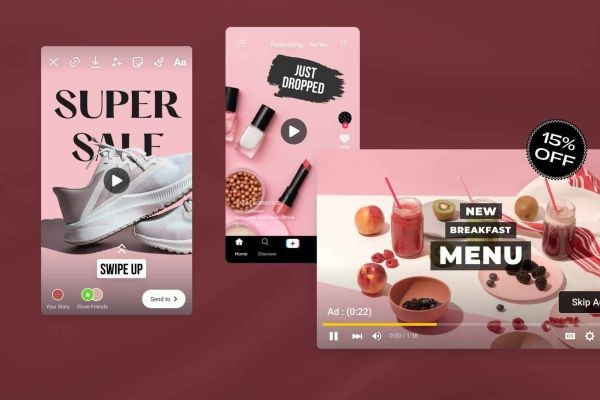





In an era where storytelling reigns supreme, the hospitality industry in New Zealand is increasingly leveraging video campaigns to bring seasonal Kiwi narratives to life. These campaigns are more than mere marketing tools; they are dynamic representations of New Zealand's unique culture and landscape, offering a glimpse into the heart of Kiwi hospitality. With its vibrant seasons and diverse ecosystems, New Zealand provides a rich tapestry for storytelling that resonates with both local and international audiences. This article delves into how hospitality video campaigns harness the power of seasonal stories to enhance brand engagement and drive economic growth, while also exploring the environmental implications of this marketing strategy.
The Future of Hospitality Video Campaigns in New Zealand
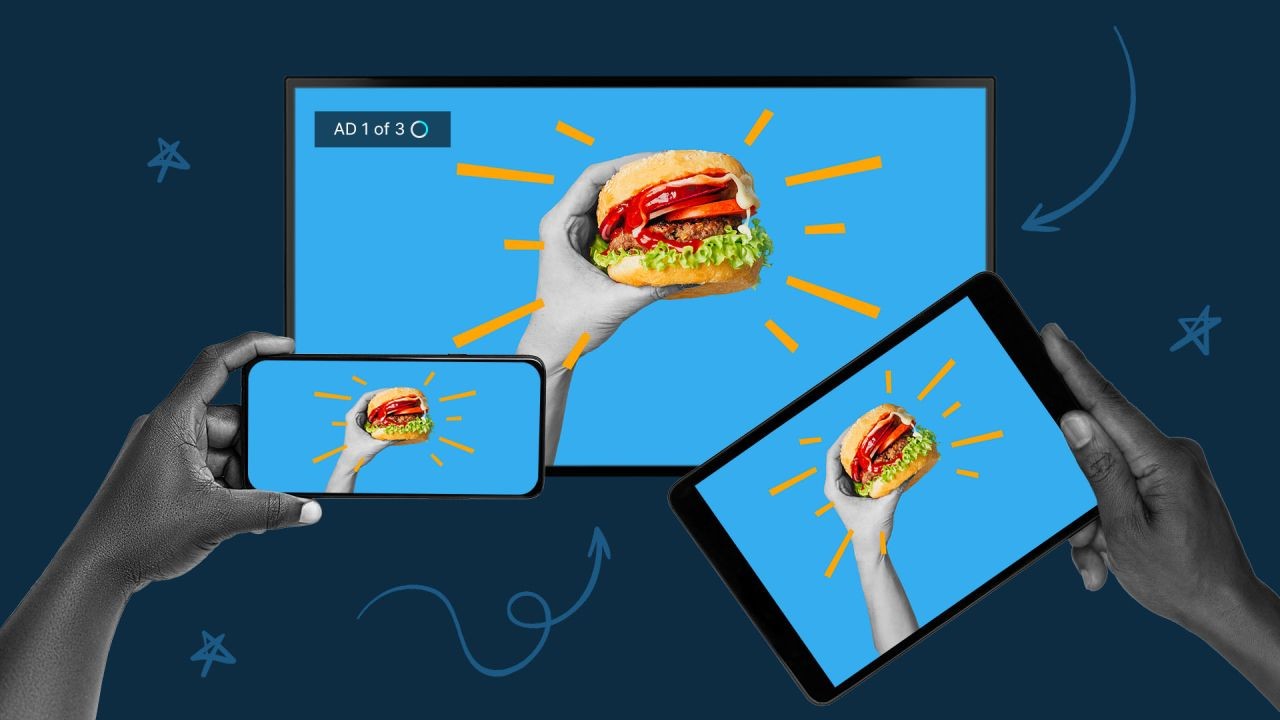
As we look to the future, the integration of storytelling in hospitality video campaigns is set to become even more pronounced. According to a report by the Ministry of Business, Innovation and Employment (MBIE), the tourism sector contributes over $40 billion to New Zealand's GDP, underscoring the economic significance of innovative marketing in this field. By 2025, it is anticipated that video content will account for 80% of all internet traffic, making it an indispensable tool for hospitality businesses aiming to capture the attention of potential visitors.
The use of video not only enhances engagement but also fosters a deeper connection with viewers. A study by Stats NZ highlights that 70% of travelers are more likely to book accommodation after watching a related video, showcasing the direct impact of well-crafted video narratives on consumer behavior. This trend is especially relevant for New Zealand, where the natural environment and seasonal changes offer endless opportunities for compelling storytelling.
Debate: The Environmental Impact of Video Campaigns
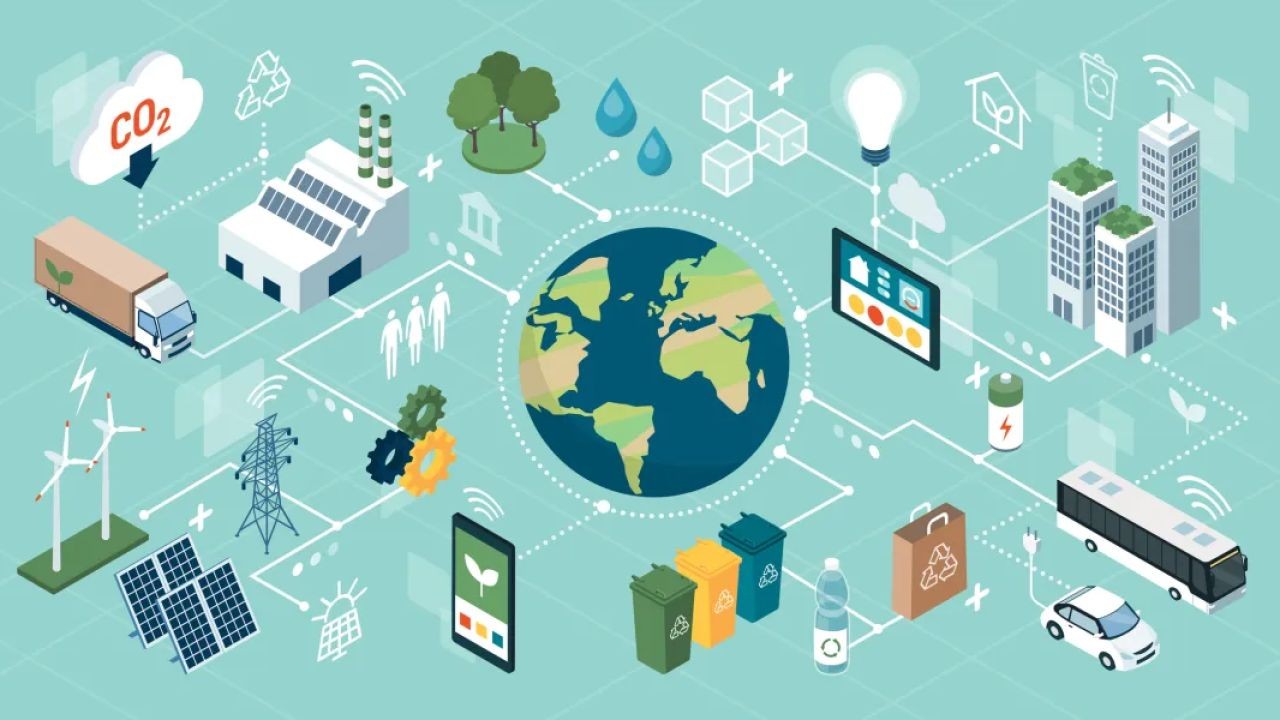
While video campaigns offer substantial marketing benefits, they also raise questions about their environmental impact. The production and distribution of video content can contribute to carbon emissions, challenging the sustainability goals of the hospitality industry. Critics argue that the energy-intensive nature of video production and digital streaming may contradict the eco-friendly image that many New Zealand businesses strive to project.
However, proponents emphasize the potential for video campaigns to promote sustainable tourism. By highlighting eco-friendly practices and showcasing New Zealand's natural beauty, videos can inspire viewers to adopt more sustainable travel habits. This dual role of video as both a marketing tool and an educational resource positions it as a critical component of New Zealand's tourism strategy.
Expert Opinion: The Role of Authenticity in Storytelling
Authenticity is a key factor in the success of hospitality video campaigns. According to Benjamin Carter, a water conservation expert, "Authentic storytelling not only captivates audiences but also builds trust. In a world where consumers are increasingly skeptical of marketing, authenticity can set a brand apart." This sentiment is echoed in the work of many New Zealand tourism operators who prioritize genuine narratives over polished advertisements.
One successful example is the "Good Morning World" campaign by Tourism New Zealand, which featured real Kiwis sharing their morning routines. This campaign not only boosted engagement but also reinforced New Zealand's image as a welcoming and authentic travel destination.
Case Study: Real-World Success in Kiwi Video Campaigns
Case Study: Tourism New Zealand – Harnessing the Power of Video
Problem: Tourism New Zealand faced the challenge of re-engaging international audiences post-pandemic. With travel restrictions lifting, there was a need to rejuvenate interest in New Zealand as a top travel destination.
Action: The organization launched a series of video campaigns showcasing New Zealand's diverse landscapes and cultural experiences. These videos emphasized sustainability and local stories, aligning with global trends towards responsible tourism.
Result: Tourism New Zealand reported a 35% increase in website traffic and a 20% rise in international bookings within six months. The campaigns not only attracted tourists but also reinforced New Zealand's brand as a sustainable and authentic destination.
Takeaway: This case study demonstrates the effectiveness of combining authentic storytelling with sustainability messaging. New Zealand businesses can leverage these strategies to enhance brand loyalty and attract eco-conscious travelers.
Common Myths & Mistakes in Hospitality Video Campaigns
- Myth: "High production quality is essential for successful campaigns." Reality: While quality is important, authenticity and storytelling resonate more with audiences. A study by Nielsen found that 64% of consumers are more likely to purchase after watching a relatable video, even if the production quality is not top-tier.
- Myth: "Only global campaigns can drive substantial traffic." Reality: Localized content often performs better as it connects more deeply with viewers. Tailoring campaigns to reflect local culture and seasonal events can significantly boost engagement.
- Myth: "Videos are too costly and resource-intensive for small businesses." Reality: Advances in technology have made video production more accessible than ever. Small businesses can create impactful content with minimal investment by focusing on storytelling and leveraging social media platforms.
Future Trends & Predictions in Video Campaigns
The future of hospitality video campaigns in New Zealand is poised for exciting developments. By 2026, it is predicted that augmented reality (AR) and virtual reality (VR) will become integral to video marketing strategies, offering immersive experiences that transport viewers to New Zealand's scenic locations. This trend aligns with global shifts towards experiential marketing, where consumers seek more engaging and interactive content.
Moreover, as sustainability becomes increasingly important, video campaigns will likely focus more on eco-friendly practices, aligning with New Zealand's commitment to reducing its carbon footprint. According to the New Zealand Climate Change Commission, the country aims to achieve net-zero carbon emissions by 2050, and the tourism industry will play a pivotal role in reaching this goal.
Conclusion: The Power of Seasonal Storytelling
In conclusion, seasonal Kiwi stories brought to life through hospitality video campaigns offer a powerful way to connect with audiences and promote New Zealand's unique offerings. By embracing authenticity, sustainability, and technological advancements, businesses can create compelling narratives that resonate with viewers worldwide. As New Zealand continues to lead in sustainable tourism, video campaigns will undoubtedly play a crucial role in shaping the future of the industry.
Are you ready to harness the power of storytelling in your marketing strategy? Share your thoughts and experiences in the comments below!
People Also Ask (FAQ)
- How do video campaigns impact New Zealand's tourism industry?
Video campaigns significantly boost engagement and bookings, with a 35% increase in website traffic reported by Tourism New Zealand. They enhance brand visibility and attract eco-conscious travelers, contributing to the economy.
- What are the biggest misconceptions about video campaigns?
One common myth is that high production quality is essential. However, research shows that authenticity and storytelling are more impactful in driving consumer engagement.
- How can small businesses implement effective video campaigns?
Small businesses can start by focusing on authentic storytelling, leveraging social media for distribution, and using accessible technology to create engaging content without significant investment.
Related Search Queries
- New Zealand hospitality video marketing
- Seasonal storytelling in tourism
- Sustainable tourism video campaigns
- Augmented reality in hospitality marketing
- Authentic storytelling in video marketing
- Impact of video campaigns on NZ tourism
- VR and AR in tourism industry
- Eco-friendly video marketing strategies
- Local content marketing for small businesses
- New Zealand tourism trends 2026
For the full context and strategies on How Seasonal Kiwi Stories Come Alive Through Hospitality Video Campaigns, see our main guide: Maori Pasifika Food Culture Videos NZ.