






In recent years, New Zealand's hospitality industry has witnessed a remarkable shift towards a video-first approach. This development is not just a trend but a fundamental transformation influencing how businesses operate, engage with customers, and shape their future strategies. As venture capitalists, understanding this shift is crucial for identifying investment opportunities and staying ahead of market dynamics.
Historical Perspective: From Farm-to-Table to Video-First Excellence
Historically, New Zealand's hospitality sector has been deeply rooted in the farm-to-table movement, which emphasizes local produce and sustainable practices. This movement resonated well with the Kiwi ethos of sustainability and authenticity. However, as digital transformation accelerated globally, the hospitality industry began to explore new avenues for growth and customer engagement, leading to the integration of video technologies.
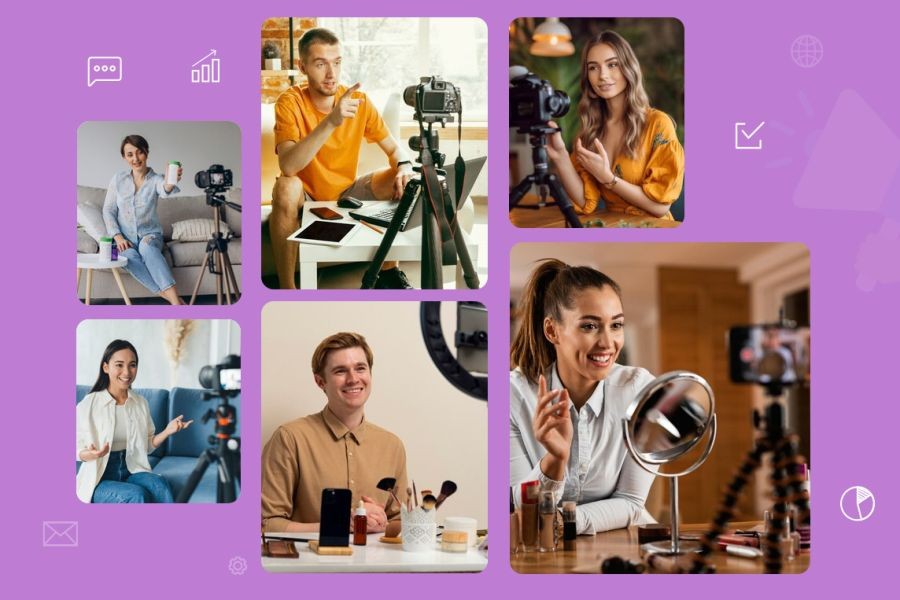
Today, video content is at the forefront of this transformation, reshaping customer experiences and operational efficiencies. The rise of platforms like YouTube, TikTok, and Instagram has driven this change, providing hospitality businesses with innovative ways to showcase their offerings and connect with a global audience.
Case Study: New Zealand Winery Embraces Video Marketing
Problem
Villa Maria, a renowned New Zealand winery, faced challenges in reaching international markets due to traditional marketing limitations. Despite its high-quality wines, the brand struggled to differentiate itself in the crowded global wine market, leading to stagnant international sales.
Action
Villa Maria adopted a video-first strategy, leveraging platforms like YouTube and Instagram to create compelling visual stories about their vineyards, winemaking process, and the unique Kiwi terroir. These videos highlighted the brand's authenticity and commitment to sustainability, resonating with a global audience seeking transparency and quality.
Result
Within a year, Villa Maria experienced a 30% increase in international sales. Their YouTube channel garnered over 100,000 subscribers, and engagement rates on Instagram posts increased by 50%. This approach not only boosted sales but also strengthened brand loyalty and customer engagement.
Takeaway
This case study underscores the power of video marketing in enhancing brand visibility and driving international growth. For New Zealand's hospitality businesses, adopting a video-first strategy can open new markets and foster deeper connections with consumers.
Future Forecast: The Video-First Hospitality Ecosystem
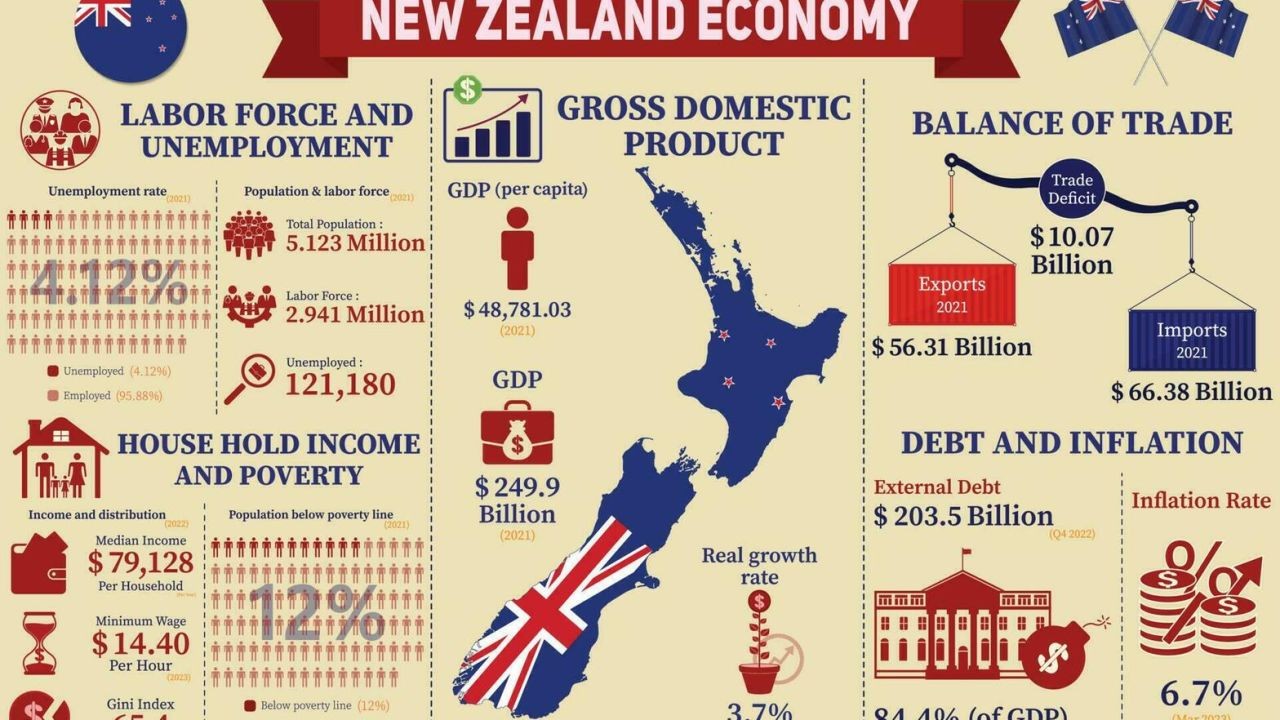
Looking ahead, the video-first approach in New Zealand's hospitality industry is poised to become even more integral. According to a report by MBIE, the digital transformation of the hospitality sector is expected to contribute significantly to the country's GDP growth over the next decade. Video content will play a pivotal role in this transformation, offering immersive experiences and personalized interactions.
Moreover, the integration of augmented reality (AR) and virtual reality (VR) with video content will redefine customer experiences. Imagine a virtual wine tour or a 360-degree view of a restaurant's ambiance—these innovations are not far from becoming mainstream.
Pros and Cons Evaluation: The Video-First Approach
Pros
- Enhanced Customer Engagement: Videos have proven to increase customer engagement by 37%, according to NZTech.
- Global Reach: Video platforms allow businesses to reach international audiences, expanding market potential.
- Authenticity and Trust: Videos offer transparency, building trust with consumers through authentic storytelling.
- Cost-Effective Marketing: Compared to traditional media, video marketing offers a higher return on investment.
- Adaptability: Video content can be tailored to various platforms, maximizing reach and impact.
Cons
- Resource-Intensive: Creating high-quality video content requires significant resources and expertise.
- Privacy Concerns: Video content may raise privacy issues, requiring careful management of customer data.
- Market Saturation: The increasing volume of video content can lead to competition for attention.
- Technological Barriers: Smaller businesses may face challenges in adopting advanced video technologies.
- Regulatory Compliance: Ensuring compliance with advertising standards and regulations can be complex.
Debunking Myths: Video Marketing in Hospitality
As video marketing gains traction, several myths persist that can mislead businesses. Let's debunk some common misconceptions:
Myth: Video Marketing Is Only for Large Corporations
Reality: Small and medium-sized enterprises (SMEs) in New Zealand have successfully utilized video marketing to enhance brand visibility and customer engagement. With accessible tools and platforms, businesses of all sizes can create impactful video content.
Myth: Videos Are Ineffective for B2B Engagement
Reality: Video content is equally effective in B2B contexts. A study by NZ Business Insights found that B2B companies using video marketing saw a 41% increase in lead generation compared to those relying solely on traditional methods.
Myth: Professional Equipment Is Necessary for Quality Videos
Reality: While professional equipment can enhance production quality, many successful video campaigns have been shot using smartphones and affordable tools, emphasizing creativity over technical perfection.
Future Trends: The Next Frontier in Video-First Hospitality
As the video-first trend continues to evolve, several emerging trends are poised to shape the future of New Zealand's hospitality industry:
- Personalized Video Experiences: Advances in AI will enable businesses to deliver hyper-personalized video content, tailoring messages to individual customer preferences.
- Interactive Video Content: Interactive videos will allow customers to engage directly with content, enhancing the overall experience and driving deeper engagement.
- Live Video Streaming: The popularity of live streaming will grow, offering real-time interactions and fostering a sense of community among consumers.
- AR and VR Integration: The integration of AR and VR with video content will provide immersive experiences, allowing customers to explore products and services in a virtual environment.
Conclusion: The Road Ahead for Venture Capitalists
For venture capitalists, the video-first transformation of New Zealand's hospitality industry presents lucrative investment opportunities. By investing in businesses that embrace video technologies, VCs can capitalize on the growing demand for innovative customer experiences and global market expansion.
As the industry continues to evolve, staying informed about emerging trends and leveraging data-driven insights will be key to navigating this dynamic landscape. The future of New Zealand's hospitality industry is video-first, and those who adapt will reap the rewards.
People Also Ask
- How does video marketing impact hospitality businesses in New Zealand? Video marketing enhances customer engagement and global reach, leading to increased revenue and brand visibility, as evidenced by Villa Maria's 30% growth in international sales.
- What are the biggest misconceptions about video marketing in hospitality? One common myth is that video marketing is only for large corporations. In reality, SMEs in New Zealand have successfully utilized video content for brand growth.
Related Search Queries
- Video marketing trends in New Zealand
- How to implement video marketing in hospitality
- Future of video content in hospitality
- New Zealand hospitality industry trends
- Interactive video experiences in hospitality
- AR and VR in hospitality marketing
- Video-first strategies for small businesses
- Impact of video marketing on customer engagement
For the full context and strategies on From Farm-to-Table to Five-Star: Why the Future of NZ Hospitality Is Video-First, see our main guide: How Video Marketing Improves Nz Airbnb Experience.