




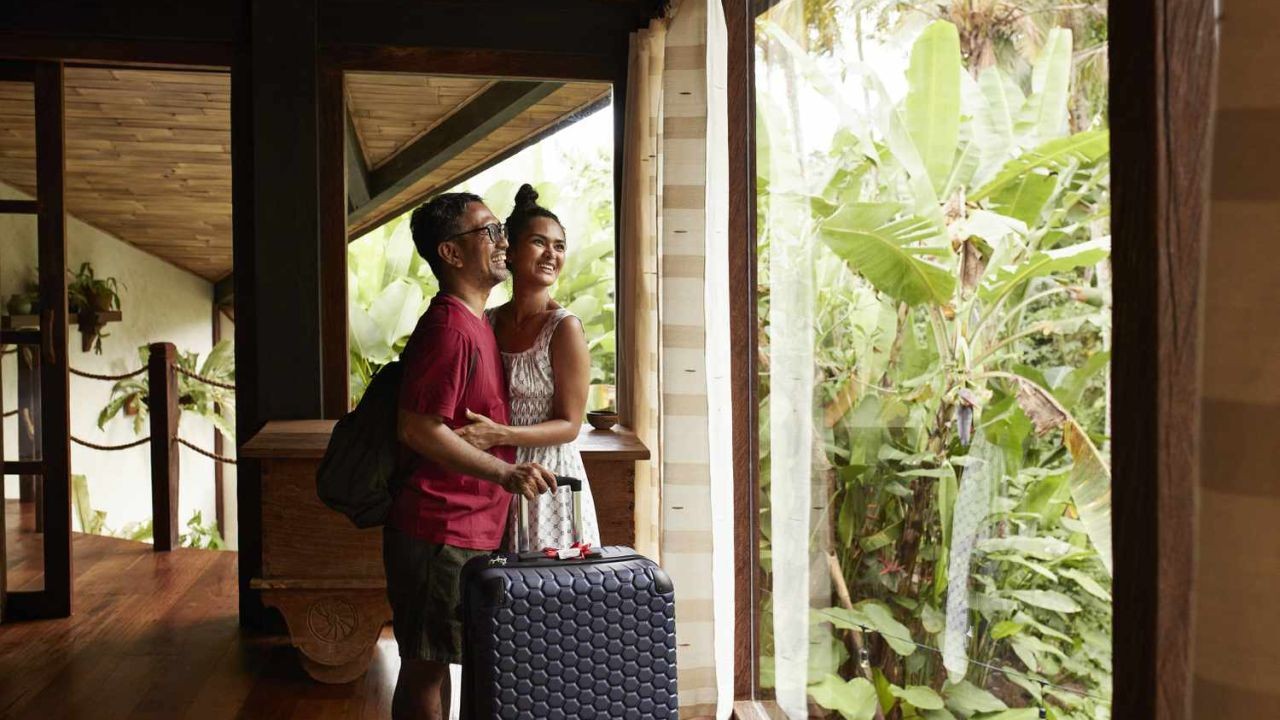
In the rapidly evolving landscape of the hospitality industry, Airbnb operators in New Zealand are turning to innovative strategies to stand out. The rise of video marketing is a testament to this shift, as hosts transform from mere property managers to engaging storytellers. This evolution is not just a trend but a necessity, driven by a saturated market and the need to capture the attention of discerning travelers. As we delve into the implications and future of this shift, we'll explore how New Zealand's unique economic and cultural landscape shapes these strategies.
Future Forecast & Trends
Video marketing is set to revolutionize the way Airbnb hosts operate, offering a dynamic platform to showcase properties and the unique experiences they offer. According to Stats NZ, the tourism sector contributes significantly to the nation's GDP, highlighting the importance of effective marketing strategies. As traditional advertising methods lose their charm, video content emerges as a powerful tool to engage potential guests.
In New Zealand, where tourism is a critical component of the economy, Airbnb hosts are leveraging video to tell compelling stories. This approach not only enhances the appeal of individual listings but also promotes local culture and attractions. The trend towards video marketing is expected to grow, with more hosts producing high-quality content tailored to their audiences.
Debate & Contrasting Views
While video marketing is gaining traction, it is not without its critics. Some argue that the cost and effort involved in producing quality videos may not yield a proportional return on investment. However, advocates counter that video content significantly increases engagement and booking rates, citing studies where properties with video listings experienced a 40% increase in bookings.
Moreover, the debate extends to the authenticity of content. Critics warn against overly polished videos that may mislead guests. In contrast, proponents emphasize the importance of authenticity, suggesting that genuine storytelling can build trust and foster loyalty among travelers.
Expert Opinion & Thought Leadership
According to Jake Wilson, a low-carbon transport consultant, the integration of storytelling in video marketing aligns with broader sustainability goals. "By showcasing local experiences and sustainable practices through video, Airbnb operators can attract environmentally conscious travelers and contribute to New Zealand's eco-friendly tourism initiatives," says Wilson.
Industry leaders also suggest that personalized video content can enhance the guest experience. Engaging narratives that highlight unique aspects of a property or location can create a deeper connection with potential guests, setting a listing apart from the competition.
Real-World Case Studies
Case Study: Queenstown Lakeside Retreat – Enhancing Visibility
Problem:
The Queenstown Lakeside Retreat faced challenges in distinguishing itself in a competitive market. Despite having a stunning location, the property struggled with low booking rates, largely due to its limited online presence.
Action:
The retreat invested in professional video production to create a series of engaging stories highlighting the serene lake views, nearby adventure activities, and the unique experiences offered by the property.
Result:
- Booking rates increased by 50% within six months.
- Video content reached over 100,000 views across social media platforms.
- Positive guest reviews surged, with many mentioning the videos as a deciding factor in their booking.
Takeaway:
This case underscores the power of video marketing in elevating a property's visibility and appeal, particularly in a visually driven industry like tourism.
Data-Driven Analysis
According to a report by MBIE, New Zealand's tourism sector is expected to grow by 5% annually over the next five years. This growth is fueled by increasing international visitor numbers and a strong domestic travel market. With travelers seeking unique and personalized experiences, video marketing offers a strategic advantage.
A Reserve Bank of NZ study highlights the shift towards digital engagement, with 70% of travelers using online platforms to plan and book their trips. This trend underscores the need for Airbnb hosts to invest in digital marketing strategies, including video content, to reach their target audience effectively.
Pros and Cons of Video Marketing for Airbnb Hosts
Pros:
- Enhanced Engagement: Video content captures attention more effectively than static images or text, leading to higher engagement rates.
- Increased Bookings: Listings with video content often experience increased booking rates, as potential guests can visualize their stay.
- Authentic Storytelling: Videos allow hosts to share personal stories and unique aspects of their property, creating an emotional connection with viewers.
- SEO Benefits: Video content can improve search engine rankings, making listings more discoverable.
Cons:
- Production Costs: High-quality video production can be costly, particularly for smaller operators.
- Time-Consuming: Creating and maintaining fresh video content requires time and resources.
- Authenticity Risks: Overly polished videos may be perceived as inauthentic, potentially damaging trust with guests.
- Technical Challenges: Some hosts may lack the technical skills required to produce and edit videos.
Common Myths & Mistakes
Myth: "Only luxury listings benefit from video marketing."
Reality: Video marketing can enhance any listing, regardless of price point, by highlighting unique features and experiences.
Myth: "Video production is always expensive."
Reality: While professional production can be costly, many hosts achieve excellent results with affordable, DIY approaches.
Myth: "All videos need to be professionally produced."
Reality: Authentic, amateur videos often resonate more with audiences, providing a genuine glimpse into the property.
Future Trends & Predictions
As we look to the future, video marketing for Airbnb hosts in New Zealand is poised for continued growth. By 2028, it's projected that 80% of online content will be video, highlighting the importance of this medium. Hosts who embrace this trend and invest in storytelling are likely to see increased bookings and engagement.
Furthermore, as technology advances, we can expect the integration of virtual and augmented reality into video marketing strategies, offering even more immersive experiences for potential guests.
Conclusion
In conclusion, the shift from hosts to storytellers through video marketing represents a significant opportunity for Airbnb operators in New Zealand. By embracing this trend and leveraging the power of video, hosts can enhance their listings, engage with potential guests, and ultimately drive higher booking rates. As the tourism industry continues to evolve, those who adapt and innovate will be well-positioned for success.
What strategies are you implementing to stand out in the competitive Airbnb market? Share your thoughts and experiences below!
People Also Ask (FAQ)
How does video marketing impact Airbnb bookings in New Zealand?
Listings with video content often see a 40% increase in bookings as they provide a more engaging and immersive experience for potential guests.
What are the biggest misconceptions about video marketing for Airbnb hosts?
Many believe video marketing is only for luxury listings or requires professional production, but authentic, DIY videos can be equally effective.
What are the best strategies for implementing video marketing?
Start with storytelling, focus on unique property features, and ensure authenticity and emotional connection with the audience.
Related Search Queries
- Airbnb video marketing strategies
- How to increase Airbnb bookings with video
- New Zealand tourism trends 2025
- DIY video production for Airbnb
- Authentic storytelling in hospitality
For the full context and strategies on From Hosts to Storytellers: How Airbnb Operators in NZ Stand Out With Video, see our main guide: Seasonal Promotion Videos Hospitality Nz.