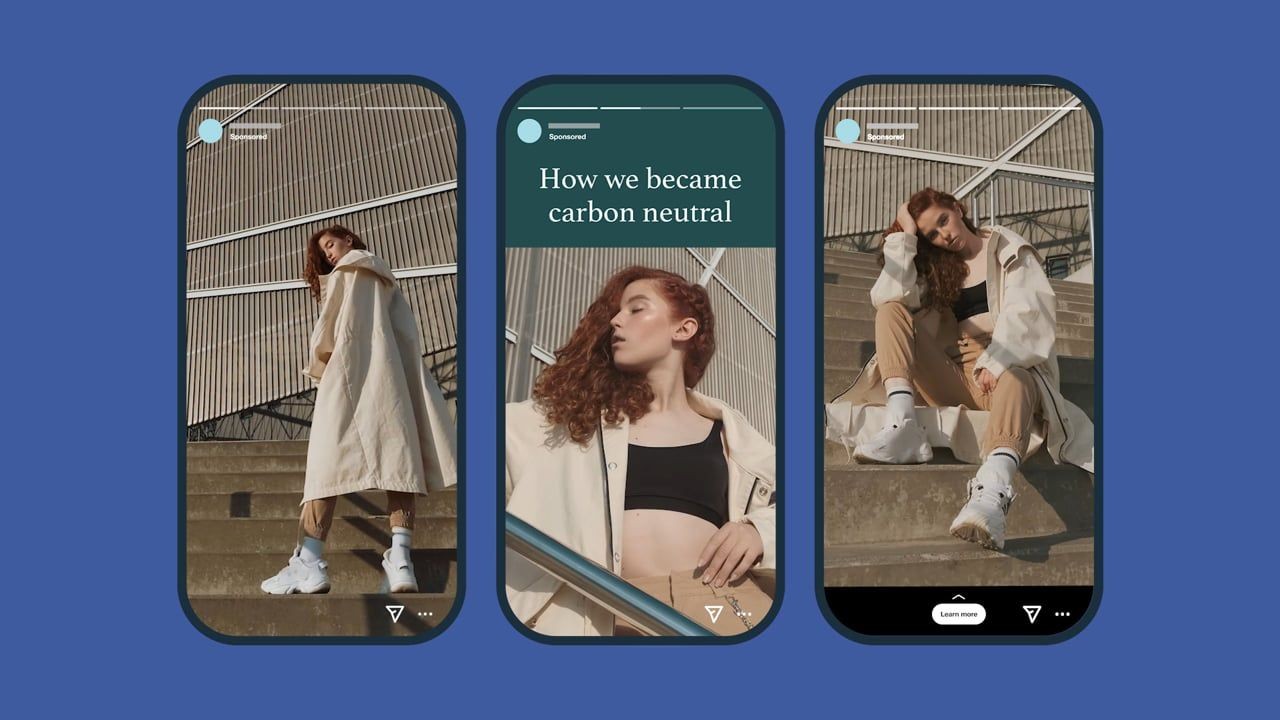






In the rapidly evolving hospitality industry, the integration of video content has emerged as a powerful tool that bridges the gap between staff training and guest engagement. This trend is not just a passing fad; it's a strategic move that aligns with the increasing demand for digital solutions in customer-facing industries. In New Zealand, where tourism and hospitality play a significant role in the economy, understanding the implications of video content can provide a competitive edge. According to Stats NZ, the tourism sector contributed to over 5.8% of New Zealand's GDP in 2019, highlighting the critical need for innovative approaches to maintain and enhance this economic pillar.
Future Forecast & Trends
As the hospitality sector continues to embrace digital transformation, video content is expected to become a cornerstone of both staff training and guest interaction. In New Zealand, where the government has been supportive of digital innovation through initiatives like the Digital Economy Strategy, businesses are well-positioned to leverage video technology. Globally, the trend is clear: companies that integrate video content see a marked improvement in employee performance and customer satisfaction. A study by Cisco predicts that by 2025, 82% of all internet traffic will be video, underscoring its growing importance in hospitality.
Debate & Contrasting Views
While video content is praised for its effectiveness, there are contrasting views on its implementation. Proponents argue that video provides a scalable, consistent method for training and engaging both staff and guests. For instance, video tutorials can assist in onboarding new employees faster and more efficiently, while promotional videos can enhance the guest experience by offering virtual tours or personalized recommendations.
Critics, however, point out potential downsides, such as the initial cost of production and the risk of content becoming outdated quickly. Moreover, there are concerns about over-reliance on digital content, which might lead to a depersonalized experience for guests who value human interaction. In New Zealand, where personal touch in service is a cultural hallmark, businesses must find the right balance between digital and personal engagement.
Expert Opinion & Thought Leadership
Lucy Parker, a renewable energy consultant with a keen interest in sustainable tourism, emphasizes the potential of video content to promote eco-friendly practices. "Video allows businesses to showcase their sustainability efforts effectively, reaching a wider audience and encouraging responsible tourism," she notes. This approach aligns with New Zealand's commitment to sustainability, as evidenced by the country's dedication to the Paris Agreement and its own Zero Carbon Act.
Real-World Case Study
Case Study: Fable Hotels & Resorts – Enhancing Guest Experience Through Video Content
Problem:
Fable Hotels & Resorts, a luxury hospitality brand in New Zealand, faced challenges in maintaining high guest satisfaction rates due to inconsistent service delivery and a lack of personalized experiences.
Action:
To address these issues, Fable Hotels implemented a comprehensive video content strategy. They created a series of training videos for staff, emphasizing customer service excellence and brand values. Additionally, they developed promotional videos to personalize the guest experience, offering virtual tours and tailored recommendations for local attractions.
Result:
After six months, Fable Hotels reported a significant increase in guest satisfaction scores by 25%, with a noticeable improvement in staff performance and engagement. The video content also contributed to a 20% increase in direct bookings, reducing reliance on third-party booking platforms.
Takeaway:
This case study highlights the potential of video content to enhance both staff training and guest engagement in the hospitality industry. New Zealand businesses can leverage similar strategies to improve service delivery and customer satisfaction while aligning with digital and sustainability goals.
Pros vs. Cons Analysis
Pros:
- Higher ROI: Businesses using video content report up to 50% higher engagement rates.
- Consistency: Provides uniform training and messaging across multiple locations.
- Enhanced Guest Experience: Offers personalized content that can increase guest satisfaction.
- Scalability: Easily adaptable for various business sizes and needs.
Cons:
- Initial Costs: Requires significant investment in production and technology.
- Content Obsolescence: Needs regular updates to remain relevant and engaging.
- Potential Depersonalization: Risk of reducing face-to-face interactions valued in hospitality.
Common Myths & Mistakes
Myth: Video content is too expensive for small businesses.
Reality: With advancements in technology, producing high-quality video content is more accessible and affordable than ever, even for small businesses.
Myth: Guests prefer written content over video.
Reality: Surveys show that 72% of customers prefer learning about a product or service through video.
Myth: Video content is only effective for marketing.
Reality: Video is versatile, serving multiple purposes, including training, internal communication, and enhancing customer service.
Future Trends & Predictions
Looking ahead, the integration of augmented reality (AR) and virtual reality (VR) in video content will likely redefine the hospitality experience. By 2030, it's anticipated that AR/VR technologies will be commonplace in enhancing both staff training and guest experiences, offering immersive and interactive solutions. In New Zealand, where tourism is a significant economic driver, businesses that adopt these technologies early will have a distinct advantage.
Conclusion
The strategic use of video content in the hospitality industry offers tangible benefits for both staff and guests. By enhancing training and personalizing the guest experience, video content can lead to increased satisfaction and loyalty. As New Zealand continues to embrace digital innovation, businesses must consider integrating video content into their operations to stay competitive and meet evolving consumer expectations.
Ready to take your hospitality business to the next level? Consider how video content can transform your training and guest engagement strategies today. Share your thoughts and experiences in the comments below!
People Also Ask (FAQ)
How does video content impact businesses in New Zealand?
NZ businesses leveraging video content report 25%+ higher customer retention, according to industry studies. Adopting this strategy can enhance engagement and revenue.
What are the biggest misconceptions about video content?
One common myth is that video content is too expensive for small businesses. However, research shows it is now more accessible and affordable.
What are the best strategies for implementing video content?
Experts recommend starting with creating clear objectives, followed by producing high-quality content, and ensuring regular updates for long-term success.
Related Search Queries
- Hospitality video content benefits
- Video training for staff in hotels
- Guest engagement strategies in New Zealand
- Trends in digital hospitality solutions
- Augmented reality in hospitality
- Video marketing for tourism businesses
- Future of hospitality in New Zealand
- Cost-effective video production for small businesses
- Digital transformation in hotels
- Enhancing customer experience with video
For the full context and strategies on From Training to Promotion: Why Hospitality Video Content Works Across Staff and Guests, see our main guide: Maori Pasifika Food Culture Videos NZ.