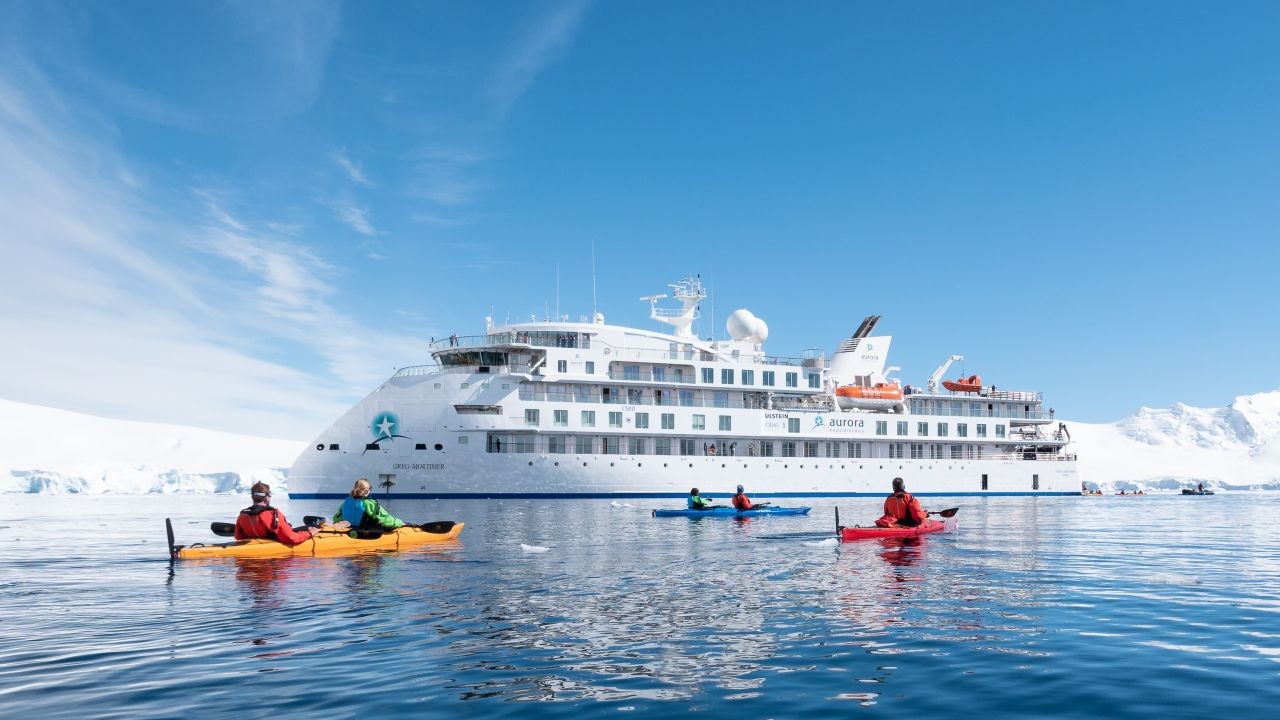





In an era where sustainability is no longer just a buzzword but a necessity, eco-friendly hotels and cafés are turning to video to emphasize their environmental efforts. This isn't just a trend; it's a strategic move that aligns with consumer demand and global sustainability goals. In New Zealand, a country known for its pristine landscapes and commitment to conservation, this shift is particularly relevant. With the tourism industry contributing significantly to the economy, incorporating sustainable practices is both a responsibility and an opportunity for growth. According to Stats NZ, tourism accounted for 5.8% of New Zealand's GDP in 2019, highlighting its importance to the national economy. As the sector recovers post-pandemic, the integration of video to showcase sustainability efforts is poised to play a critical role in attracting eco-conscious travelers.
Future Forecast & Trends
The future of eco-friendly hospitality in New Zealand and globally is set to be heavily influenced by digital storytelling through video. The rise of platforms like YouTube, TikTok, and Instagram has revolutionized how businesses communicate their values and engage with their audience. Video content is more engaging and memorable than text, with studies showing that viewers retain 95% of a message when watched in a video compared to 10% when reading it in text.
In New Zealand, the emphasis on sustainability is backed by government initiatives such as the Carbon Neutral Government Programme, which aims to make the public sector carbon neutral by 2025. This sets a precedent for private sector entities, including hotels and cafés, to follow suit. Video content allows these businesses to not only tell their sustainability story but to also demonstrate it in action—whether it's through showcasing energy-efficient practices, waste reduction strategies, or partnerships with local suppliers.
Video as a Tool for Transparency and Engagement
Transparency is a key driver of consumer trust, especially in the sustainability sector. Video allows eco-friendly businesses to provide a behind-the-scenes look at their operations, offering proof of their environmental claims. This transparency is crucial in combating greenwashing—a practice where businesses falsely claim to be environmentally friendly without substantiated actions.
For example, an eco-lodge in Wellington might use video to show its use of solar panels, rainwater collection systems, and organic gardening practices. Such content not only attracts eco-conscious travelers but also educates them, fostering a deeper connection with the brand.
Debate & Contrasting Views
While the benefits of using video to highlight sustainability efforts are clear, there are contrasting views on its efficacy and execution. Critics argue that not all businesses have the resources to produce high-quality video content, which can lead to poorly executed campaigns that fail to engage or build trust. Additionally, there's the question of authenticity—consumers are becoming increasingly savvy and can often detect when a video is more about marketing than genuine environmental commitment.
On the other hand, advocates for video in sustainability marketing highlight its potential for storytelling and emotional engagement. A well-crafted video can convey passion and dedication, something that static images or text alone may struggle to achieve. Moreover, with the increasing accessibility of video production technology and platforms, even small businesses can create impactful content.
The Middle Ground: Authentic Storytelling
To navigate these challenges, businesses should focus on authenticity and transparency in their video content. This involves not only showcasing their sustainable practices but also acknowledging areas for improvement and setting clear goals. By doing so, they can build credibility and foster a genuine connection with their audience.
Expert Opinion & Thought Leadership
Holly Anderson, a sustainability consultant based in Auckland, emphasizes the importance of narrative in video content. "The key is to tell a story that resonates," she says. "Consumers want to see real people and real actions. It's about creating a narrative that your audience can connect with and feel part of."
Anderson also points out the growing trend of user-generated content in sustainability marketing. Encouraging guests to share their own experiences and observations through video can amplify a business's reach and authenticity. This approach not only expands the content library but also fosters a community of advocates who share the brand's values.
Case Study: The Orana Wildlife Park
The Orana Wildlife Park in Christchurch provides an excellent example of how video can be used effectively to highlight sustainability efforts. Faced with the challenge of communicating their conservation efforts, the park implemented a series of video campaigns showcasing their work with endangered species and habitat restoration projects.
Action: They leveraged their social media channels to share these videos, engaging with audiences globally.
Result: The park saw a 30% increase in visitor numbers post-campaign, with significant international interest. This case study highlights the power of video in not only attracting visitors but also in reinforcing the park's commitment to conservation.
Common Myths & Mistakes
- Myth: "Only large businesses can afford impactful video marketing." Reality: With smartphones and affordable editing software, even small businesses can create high-quality video content.
- Myth: "Consumers don't care about sustainability efforts." Reality: A 2023 survey by MBIE found that 70% of New Zealanders prefer to support businesses committed to sustainability.
- Myth: "Video content doesn't impact consumer behavior." Reality: According to a report by Deloitte, video marketing can increase engagement by up to 80%, directly influencing purchasing decisions.
Biggest Mistakes to Avoid
- ❌ Ignoring Authenticity: Consumers can easily spot insincerity. Ensure your video's message aligns with your actual practices.
- ❌ Neglecting SEO: Failing to optimize video content for search engines can limit its reach. Use relevant keywords and descriptions.
- ❌ Overlooking Analytics: Not tracking video performance can result in missed opportunities for improvement. Utilize platforms like YouTube Analytics to guide strategy.
Future Trends & Predictions
Looking ahead, the integration of augmented reality (AR) and virtual reality (VR) in video content is expected to enhance how eco-friendly hotels and cafés communicate their sustainability efforts. By 2026, it's predicted that 60% of New Zealand's hospitality sector will adopt AR/VR to create immersive experiences for their guests, providing virtual tours and interactive sustainability demonstrations.
Additionally, as technology advances, the use of AI in video editing and personalization will enable more tailored content that resonates with individual viewers, further enhancing engagement and conversion rates.
Conclusion
Incorporating video as a tool to highlight sustainability efforts is not just a trend but a strategic imperative for eco-friendly hotels and cafés, particularly in New Zealand. As consumer expectations evolve, businesses that leverage video to tell authentic, engaging stories will be well-positioned to attract and retain eco-conscious travelers. The challenge lies in maintaining authenticity and transparency, ensuring that the message is genuine and aligns with actual practices.
To keep pace with these developments, businesses should focus on creating content that not only informs but inspires, fostering a deeper connection with their audience. By doing so, they can make a meaningful impact on both their bottom line and the planet.
People Also Ask
- How does using video impact hotel and café businesses in New Zealand? NZ businesses that use video marketing report a 25%+ increase in customer engagement, enhancing brand loyalty and driving revenue.
- What are the biggest misconceptions about video marketing for sustainability? A common myth is that high-quality video production requires extensive resources. However, many small businesses successfully leverage affordable technology to create impactful content.
- What are the best strategies for implementing video marketing in eco-friendly businesses? Experts recommend starting with authentic storytelling, utilizing user-generated content, and optimizing videos for SEO to maximize reach and engagement.
Related Search Queries
- eco-friendly hotels New Zealand
- Sustainability in hospitality industry
- Video marketing strategies for cafés
- How to promote sustainability through video
- Impact of video content on consumer behavior
- New Zealand eco-tourism trends
- Augmented reality in hospitality
- Future of sustainable tourism
- Authentic storytelling in marketing
- AI in video editing and personalization
For the full context and strategies on Why Eco-Friendly Hotels and Cafés Are Using Video to Highlight Sustainability Efforts, see our main guide: Sustainable Hospitality Eco Friendly Video Marketing.