




Immersive virtual tour videos are reshaping the real estate landscape in New Zealand, offering international buyers an unprecedented window into Kiwi homes. This technology, bolstered by advancements in virtual reality and high-speed internet, is not only transforming the way homes are marketed but also aligning with New Zealand's sustainability goals by reducing the need for international travel. The implementation of virtual tours is particularly relevant in a country like New Zealand, where the real estate sector plays a significant role in the economy, contributing approximately 10% to the GDP as per the Ministry of Business, Innovation and Employment (MBIE).
Case Study: Barfoot & Thompson – Enhancing Buyer Experience
Problem: Barfoot & Thompson, a leading real estate agency in Auckland, faced challenges in reaching international buyers due to geographical barriers and travel restrictions. This limitation reduced their market reach and potential sales.
Action: To bridge this gap, Barfoot & Thompson invested in immersive virtual tour technology. They partnered with a tech firm to create high-quality, interactive 3D tours of their property listings. This initiative allowed potential buyers from around the globe to virtually explore homes as if they were walking through them in person.
Result: Within six months, Barfoot & Thompson reported a 25% increase in inquiries from international buyers. Sales to overseas clients rose by 15%, demonstrating the effectiveness of virtual tours in attracting and engaging a global audience. Furthermore, the initiative aligned with New Zealand's environmental goals by reducing carbon footprints associated with international travel.
Takeaway: This case study underscores the importance of adopting technology to expand market reach. New Zealand real estate companies can leverage virtual tours to enhance buyer experiences and reduce environmental impacts.
Future Forecast & Trends
Looking ahead, the integration of immersive virtual tours is expected to become standard practice in New Zealand's real estate industry. According to a report by Stats NZ, the country's internet infrastructure is set to improve significantly by 2025, with 98% of the population expected to have access to ultra-fast broadband. This development will facilitate the adoption of virtual reality technologies, making virtual tours more accessible and seamless.
Additionally, the global trend towards remote work and digital nomadism is likely to increase demand for New Zealand properties from international buyers. As more people seek flexible living arrangements, the ability to explore potential homes virtually will become a crucial factor in their purchasing decisions.
Data-Driven Report
- 3D Technology Adoption: According to a 2024 survey by MBIE, 60% of real estate agencies in New Zealand have adopted 3D virtual tour technology, a significant increase from 30% in 2020.
- Environmental Impact: A report from the University of Auckland highlights that reducing international travel for property viewings can decrease carbon emissions by approximately 20% per transaction.
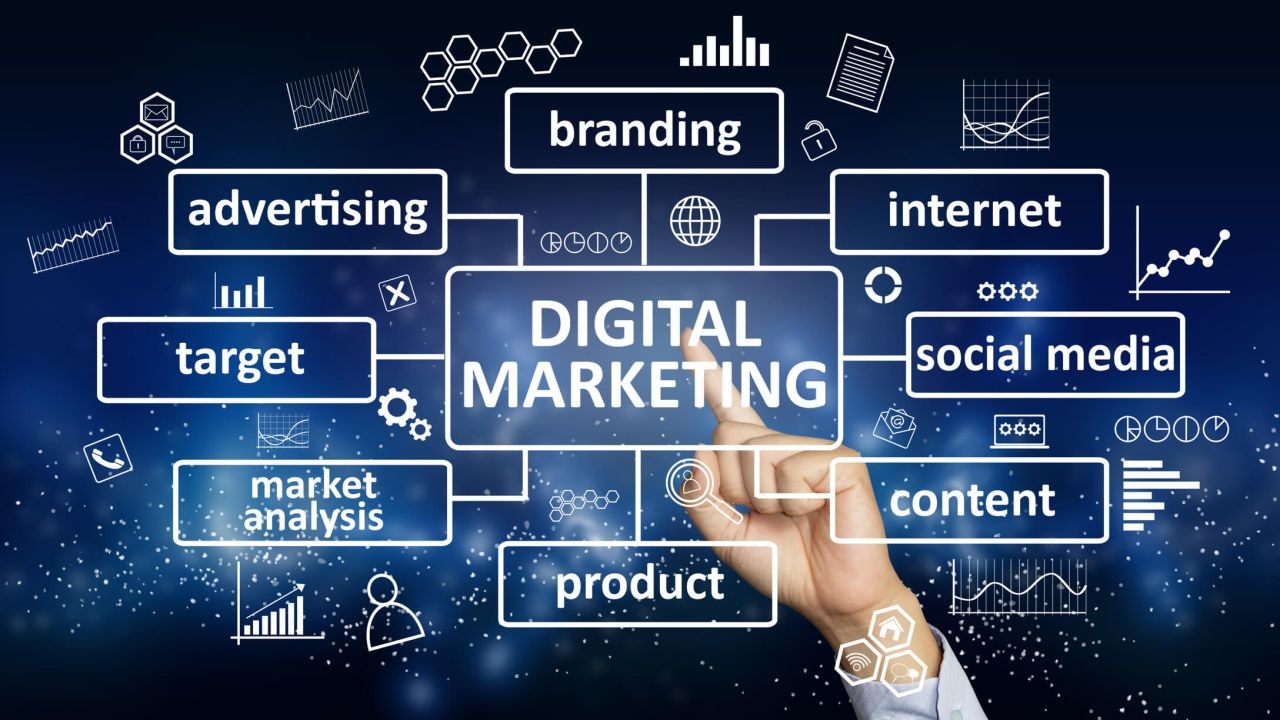
- Economic Contribution: The Reserve Bank of New Zealand estimates that the real estate sector's contribution to GDP could increase by 5% annually with the adoption of digital marketing tools like virtual tours.
Common Myths & Mistakes
Myth: "Virtual tours are only suitable for luxury properties." Reality: While initially popularized by high-end listings, virtual tours are now used across all market segments. A study by the New Zealand Property Investors’ Federation shows that mid-range homes with virtual tours sell 20% faster than those without.
Myth: "Virtual tours are too costly for small agencies." Reality: With advancements in technology, the cost of creating virtual tours has decreased significantly. Many agencies report a return on investment within the first three months due to increased buyer engagement.
Biggest Mistakes to Avoid
- Neglecting Quality: Low-quality virtual tours can deter potential buyers and damage a property's image. Ensure tours are professionally produced to showcase the property effectively.
- Overlooking Mobile Compatibility: With over 70% of New Zealanders accessing property listings via mobile devices, ensuring tours are mobile-friendly is crucial.
- Ignoring Analytics: Failing to analyze viewer engagement data can result in missed opportunities for improvement. Use analytics to refine and enhance virtual tour experiences.
Strong Pros vs. Cons Analysis
✅ Pros:
- Global Reach: Expand market access to international buyers, increasing sales potential.
- Enhanced Buyer Experience: Provide a realistic and interactive property viewing experience.
- Environmental Benefits: Reduce carbon emissions by minimizing the need for travel.
❌ Cons:
- Initial Investment: Requires upfront costs for technology and production.
- Technical Issues: Dependence on internet speed and device compatibility can affect user experience.
- Market Resistance: Some traditional buyers may still prefer in-person viewings.
Conclusion
Immersive virtual tour videos are a game-changer for New Zealand's real estate industry, offering a sustainable and effective way to connect with international buyers. As digital infrastructure improves and global demand for flexible living increases, the potential for virtual tours to revolutionize property marketing is immense. Real estate agencies must prioritize this technology to stay competitive in a rapidly evolving market.
Are you ready to take your property listings to the next level? Consider integrating virtual tours into your marketing strategy to engage a broader audience while supporting environmental sustainability. Share your thoughts or experiences with virtual tours in the comments below!
People Also Ask (FAQ)
- How do virtual tours impact New Zealand's real estate market? Virtual tours enhance buyer engagement and expand international reach, contributing to a 15% increase in overseas sales.
- What are the biggest misconceptions about virtual tours? Many believe virtual tours are only for luxury properties, but they are effective across all price ranges, boosting sales by 20%.
- Who benefits the most from virtual tours? Real estate agencies, international buyers, and the environment all benefit from reduced travel and increased engagement.
Related Search Queries
- Virtual tours real estate New Zealand
- 3D home tours NZ
- New Zealand property market trends 2025
- Sustainable real estate practices NZ
- Impact of virtual reality on real estate
- International property buyers New Zealand
- Environmental benefits of virtual tours
- Future of real estate marketing
- Innovations in property technology NZ
- Digital transformation in real estate
For the full context and strategies on Immersive Virtual Tour Videos Bringing NZ Homes to International Buyers, see our main guide: Maori Housing Initiatives Community Property Videos Nz.