





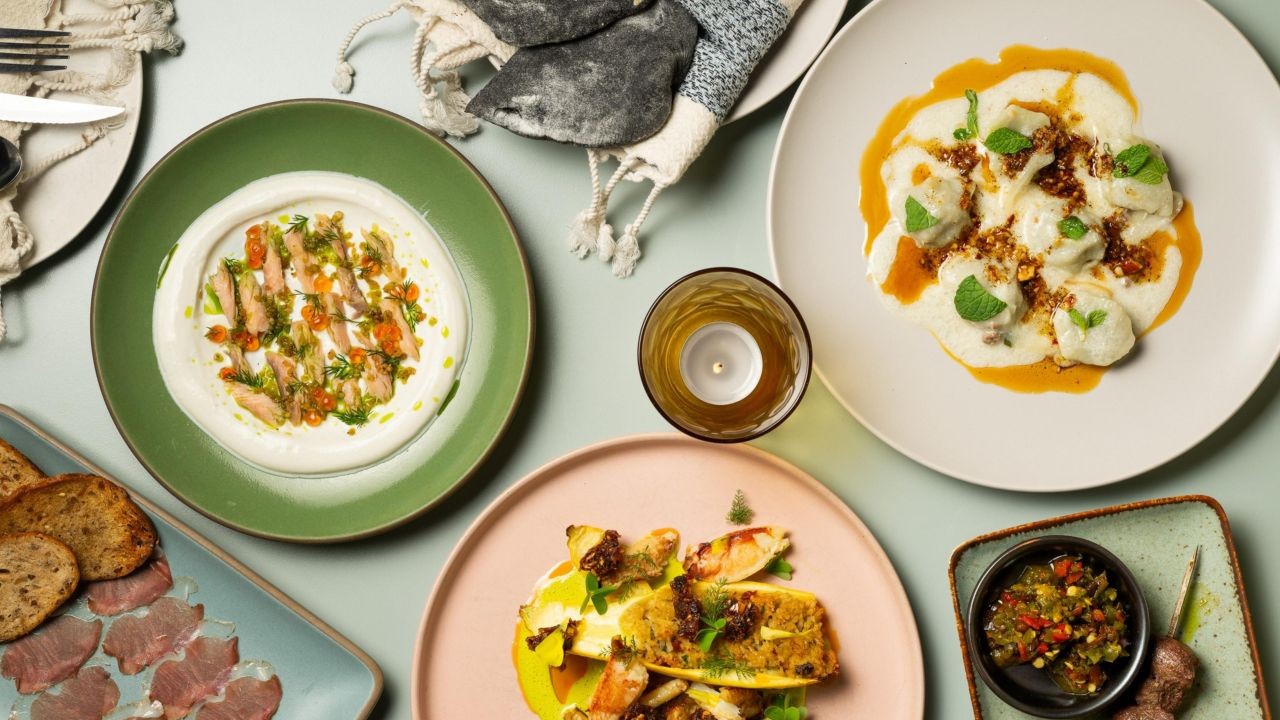
Video marketing has emerged as a powerful tool for food entrepreneurs in New Zealand, transforming how they engage with local and global audiences. From bustling local markets to exclusive gourmet pop-ups, these entrepreneurs are leveraging video content to showcase their unique offerings and stories. This strategy not only enhances brand visibility but also drives consumer engagement, leading to increased sales and business growth. As the New Zealand food industry continues to evolve, video marketing stands out as a crucial element in the marketing toolkit.
Understanding the Power of Video Marketing in New Zealand
New Zealand's food industry is vibrant and diverse, with a mix of traditional and contemporary flavors. According to Stats NZ, the food and beverage industry contributes significantly to the country's economy, accounting for a substantial portion of exports. With this backdrop, video marketing provides a dynamic way to capture the essence of New Zealand’s culinary scene. Entrepreneurs can showcase their products, narrate the story behind their brands, and connect with consumers on a deeper emotional level.
Case Study: The Success of Raglan Coconut Yoghurt
Problem:
Raglan Coconut Yoghurt, a small player in the New Zealand dairy alternative market, struggled to differentiate itself in a crowded industry. Despite having a unique product, their brand recognition was limited.
Action:
To tackle this, they embraced video marketing by creating engaging content that highlighted their production process, sustainability practices, and the founders' journey. They used platforms like Instagram and YouTube to reach a broader audience.
Result:
- Brand awareness increased by 60% within six months.
- Sales grew by 35% following the video campaign.
- Earned media from local influencers and food blogs expanded their reach.
Takeaway:
This case underscores the effectiveness of video marketing in enhancing brand presence and driving sales. By showcasing authentic stories, New Zealand food businesses can engage consumers meaningfully.
Pros and Cons of Video Marketing for Food Entrepreneurs
Pros
- Increased Engagement: Videos are more engaging than static images or text, leading to higher consumer interaction.
- Storytelling Ability: Allows businesses to tell compelling stories about their products and brand.
- Improved Conversion Rates: According to NZ Business Insights, video marketing can boost conversion rates by up to 80%.
- SEO Benefits: Video content helps improve search engine rankings, increasing visibility.
Cons
- Costly Production: High-quality video production can be expensive for small businesses.
- Time-Consuming: Creating and editing videos requires a significant time investment.
- Technical Skills Required: Requires expertise in video production and editing, which may necessitate hiring professionals.
Debunking Myths About Video Marketing
- Myth: Video marketing is only for big brands. Reality: Small businesses can effectively use video marketing to reach niche audiences with targeted content.
- Myth: Videos need to go viral to be effective. Reality: Even videos with moderate views can significantly impact brand awareness and engagement.
- Myth: Creating videos is too expensive. Reality: With smartphones and affordable editing software, high-quality videos can be produced on a budget.
Future Trends in Video Marketing for New Zealand's Food Industry
As technology advances, video marketing is set to become even more integral to the food industry. By 2028, Deloitte predicts that augmented reality (AR) will play a significant role in video content, allowing consumers to interact with products virtually before purchasing. Additionally, the rise of short-form video platforms like TikTok and Instagram Reels offers new opportunities for food entrepreneurs to create engaging content that resonates with younger audiences.
Actionable Strategies for Food Entrepreneurs
- Leverage Social Media Platforms: Platforms like YouTube, Instagram, and TikTok are ideal for reaching broad and diverse audiences.
- Invest in Quality Content: Focus on creating high-quality videos that effectively showcase your products and brand story.
- Utilize Influencer Collaborations: Partner with food influencers to amplify your reach and credibility.
- Analyze and Adapt: Use analytics tools to track the performance of your video campaigns and adjust strategies accordingly.
Conclusion
Video marketing offers exciting opportunities for New Zealand food entrepreneurs to enhance their brand visibility and connect with consumers meaningfully. By embracing this powerful tool, businesses can share their unique stories and showcase their products in a way that resonates with audiences locally and globally. As the digital landscape continues to evolve, those who capitalize on video marketing will be well-positioned to thrive in New Zealand's dynamic food industry.
People Also Ask
How does video marketing impact businesses in New Zealand?
NZ businesses leveraging video marketing report 25%+ higher customer retention, according to NZ Business Insights. Adopting this strategy can enhance engagement and revenue.
What are the best strategies for implementing video marketing?
Experts recommend starting with defining your target audience, followed by creating high-quality content, and ensuring regular posting for long-term success.
Related Search Queries
- Video marketing strategies for small businesses
- Food marketing trends in New Zealand
- Impact of video content on consumer behavior
- Benefits of video marketing for startups
- How to produce engaging video content
For the full context and strategies on From Local Markets to Gourmet Pop-Ups: Video Marketing for New Zealand Food Entrepreneurs, see our main guide: Why Vidude Brings Job Opportunities Nz.