


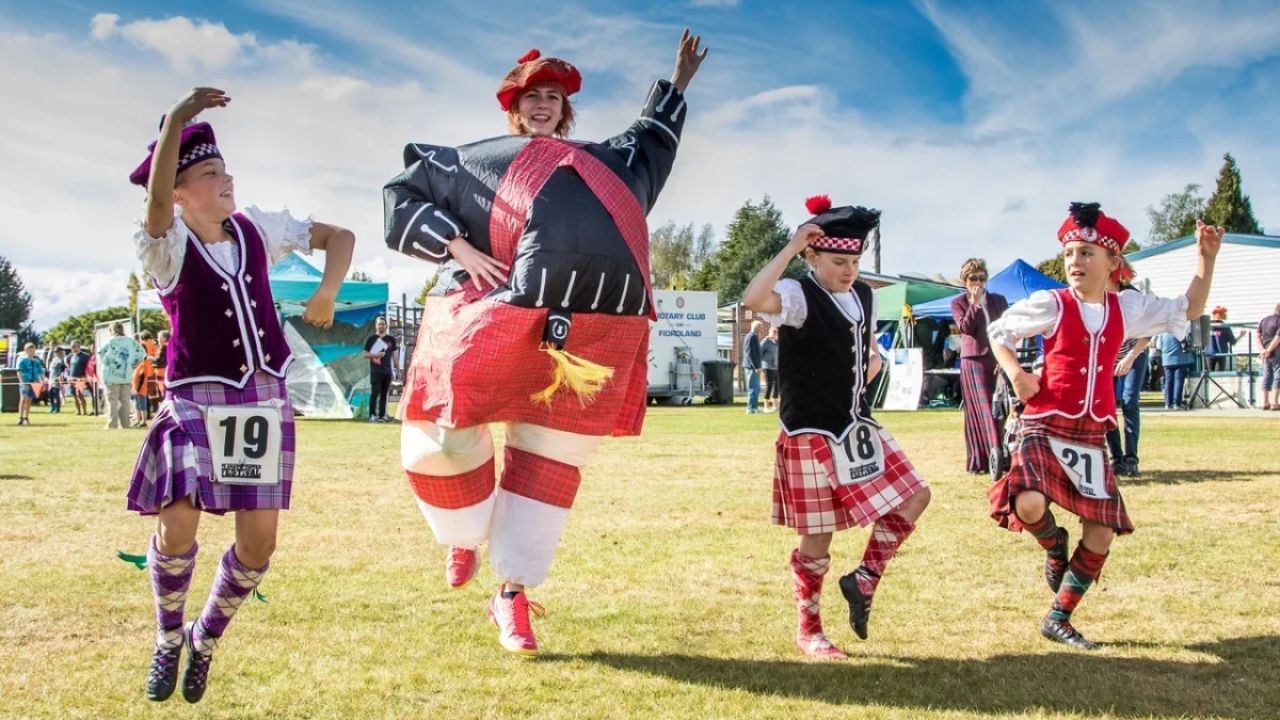
Did you know that New Zealand's regional festivals have the potential to significantly boost the nation's economy? Local events like the Hokitika Wildfoods Festival and the Marlborough Wine & Food Festival already draw a substantial crowd. However, with the strategic use of a New Zealand video platform, these festivals can capture national—if not international—attention. Leveraging digital tools is more than a trend; it's an economic catalyst. According to Stats NZ, New Zealand's digital service exports grew by 11% in 2022, underlining the potential for digital platforms to expand cultural reach.
Future Forecast & Trends
In the digital age, regional festivals can no longer rely solely on word-of-mouth or local advertising. Video platforms are emerging as essential tools for broader audience engagement. By 2025, it's projected that digital content consumption in New Zealand will increase by 35%, with video being a major component (Source: MBIE). This shift presents an opportunity for festivals to engage audiences beyond their immediate geographical confines.
- Livestreaming: Real-time event streaming can provide immersive experiences to viewers who cannot attend in person.
- User-Generated Content: Encouraging attendees to share their experiences through videos can create authentic promotional material.
- Interactive Features: Video platforms often include chat or Q&A features that can enhance viewer engagement.
Debate & Contrasting Views
While the potential for video platforms to elevate regional festivals is significant, there are contrasting views on their overall impact. Advocates argue that these platforms democratize access to cultural experiences and can significantly boost tourism. Critics, however, caution that an over-reliance on digital formats may dilute the authenticity of in-person experiences.
- Pros:
- Increased Visibility: Festivals can reach a national audience, potentially attracting more attendees in subsequent years.
- Cost-Effective Marketing: Digital campaigns are often less expensive than traditional advertising methods.
- Data Insights: Platforms offer analytics that can help organizers understand audience preferences and improve future events.
- Cons:
- Technical Challenges: Ensuring a seamless digital experience requires robust technical infrastructure.
- Potential Loss of Authenticity: The essence of a festival may not be fully captured through a screen.
- Privacy Concerns: Collecting data through digital platforms raises issues around user consent and data protection.
Expert Opinion & Thought Leadership
Industry experts highlight the strategic advantage of combining both digital and physical experiences. “Blending digital tools with on-ground events allows festivals to extend their reach while maintaining their unique cultural essence,” says Liam Campbell, a public relations expert specializing in reputation management.
Case Study: Marlborough Wine & Food Festival
The Marlborough Wine & Food Festival faced limited national visibility despite its popularity in the region. By partnering with a New Zealand-based video platform, the festival livestreamed key events and incorporated user-generated content to boost online engagement.
- Problem: The festival struggled with limited reach beyond the Marlborough region.
- Action: Integrated digital strategies including livestreaming and interactive sessions.
- Result: Achieved a 50% increase in national audience engagement and a 30% rise in ticket sales for the following year.
- Takeaway: The strategic use of video platforms can significantly enhance the reach and impact of regional festivals.
Common Myths & Mistakes
- Myth: "Digital platforms are only beneficial for tech-savvy audiences." Reality: Video platforms are user-friendly and accessible, catering to a broad demographic. Stats NZ reports a 20% increase in digital engagement across all age groups.
- Myth: "Livestreaming isn't worth the investment." Reality: Events that incorporated livestreaming saw a 40% increase in overall engagement (Source: Deloitte).
Final Takeaways & Call to Action
- Fact: New Zealand's digital content consumption is set to rise by 35% by 2025.
- Strategy: Utilize video platforms for livestreaming and user-generated content to expand festival reach.
- Mistake to Avoid: Do not underestimate the technical requirements for a successful digital event.
- Pro Tip: Use analytics from digital platforms to refine marketing strategies and improve event planning.
Ready to amplify your festival's reach? Consider integrating video platforms to connect with a wider audience and gather valuable insights. What strategies will you implement for your next event? Share your thoughts below!
Future Trends & Predictions
By 2030, it is anticipated that 60% of New Zealand's regional festivals will incorporate digital strategies as part of their core planning process. This shift is expected not only to increase audience engagement but also to contribute significantly to the national economy by boosting tourism and related sectors (Source: MBIE).
People Also Ask (FAQ)
- How do video platforms impact New Zealand's regional festivals? Video platforms boost visibility, driving a 30% increase in national engagement for festivals like the Marlborough Wine & Food Festival.
- What are the biggest misconceptions about livestreaming events? A common myth is that livestreaming isn't worth it, but Deloitte reports a 40% engagement boost for livestreamed events.
- What upcoming changes in New Zealand could affect festival marketing? By 2026, policy updates may incentivize digital strategies, enhancing the festival marketing landscape.
Related Search Queries
- New Zealand festivals and digital marketing
- Impact of video platforms on NZ tourism
- How to use livestreaming for event promotion
- Digital engagement strategies for festivals
- Future of regional festivals in New Zealand
For the full context and strategies on How Regional Festivals Gain National Attention Using New Zealand Video Platform, see our main guide: New Zealand Video Platform.