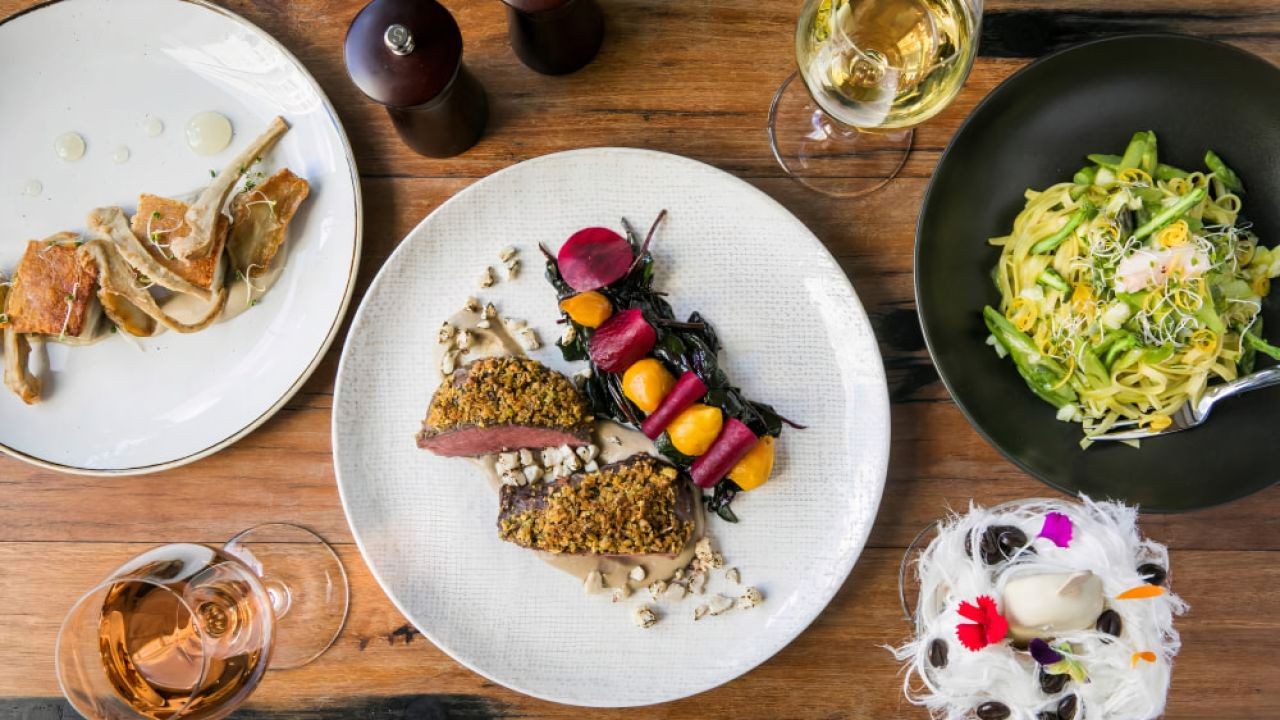





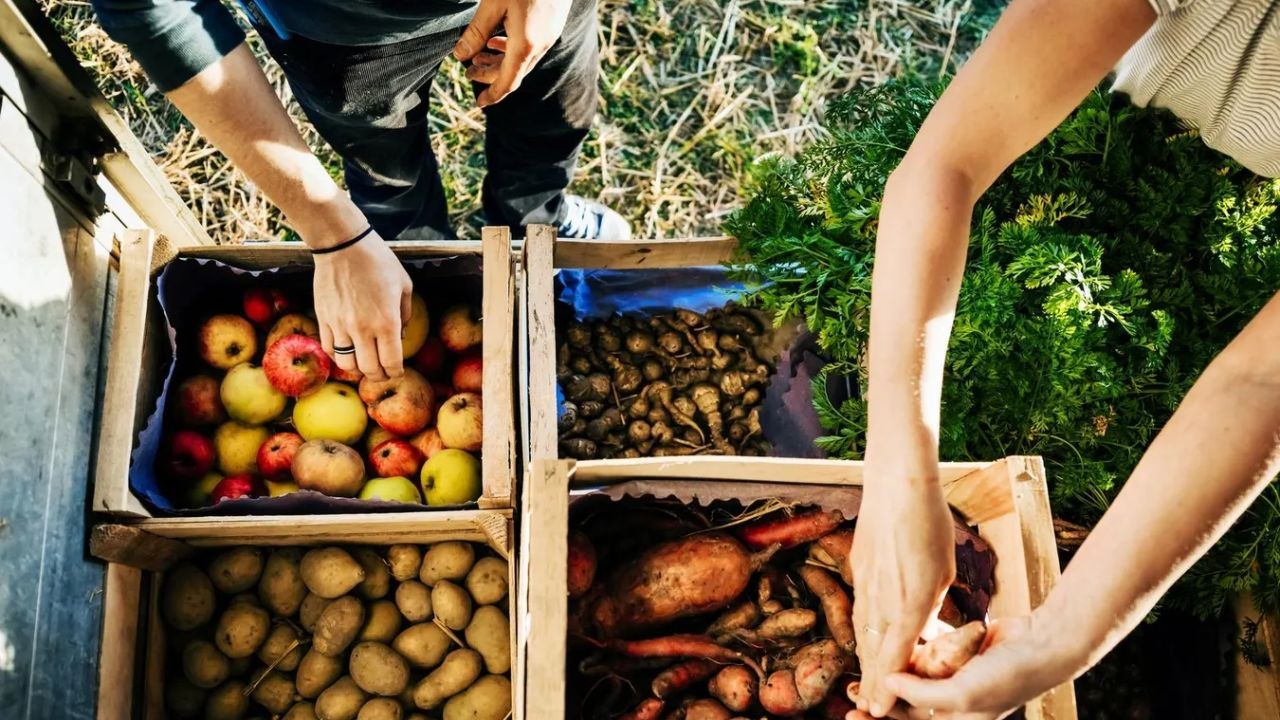
In the heart of New Zealand, where lush landscapes meet vibrant urban centers, a culinary revolution is unfolding. From farmers' markets nestled in the serene countryside to bustling urban food hubs, the way Kiwis experience food is transforming. This movement is not just about flavors but about stories—narratives captured and shared through video, resonating with a global digital audience. Let's explore this phenomenon through the lens of property investment, uncovering how these culinary stories are shaping both community and economy.
What is Driving the Shift from Farmers' Markets to Urban Food Hubs?
New Zealand's culinary scene is undergoing a dynamic shift, driven by a blend of tradition and innovation. The push towards urban food hubs is fueled by a growing demand for local, sustainable produce and a desire for community-centric experiences. According to the Ministry of Business, Innovation and Employment (MBIE), the food and beverage sector is a critical component of New Zealand's economy, contributing significantly to GDP.
Urban food hubs serve as a bridge between rural producers and city consumers, offering a platform for storytelling that promotes regional produce and local food artisans. Videos capturing these interactions are not just marketing tools; they are cultural artifacts preserving New Zealand's rich agricultural heritage.
How are These culinary Stories Impacted by New Zealand’s Economy?
The economic impact of this trend is profound. Stats NZ reports that food exports comprise over 50% of the nation's total exports, highlighting the global appetite for Kiwi produce. Domestically, the rise of urban food hubs is attracting tourists and boosting local economies. Real estate investors are taking note, as properties near these hubs are witnessing increased demand. This is an opportunity for strategic investment, capturing the vibrant spirit of community-centric food culture.
Case Study: The Wellington Night Market
Let's delve into a successful example: the Wellington Night Market.
Problem: Wellington's local farmers faced challenges in reaching urban consumers, resulting in lost potential revenue.
Action: The establishment of the Wellington Night Market provided a platform for these farmers to connect directly with consumers. Vendors employed video storytelling to showcase their products and processes, enhancing consumer engagement.
Result: Within the first year, vendor sales increased by 30%, and the market attracted over 10,000 visitors monthly. This success story highlights how video storytelling can bridge the gap between rural producers and urban consumers.
Takeaway: Urban food hubs like the Wellington Night Market are not just enhancing local economies but also offering lucrative opportunities for investors. By investing in properties nearby, investors can tap into the growing demand for access to local and sustainable food sources.
What are the Future Trends in New Zealand's culinary Scene?
As digital media becomes increasingly influential, the integration of video storytelling into the culinary world is expected to grow. According to a University of Auckland study, digital content consumption in New Zealand is projected to increase by 15% annually. This trend indicates a ripe opportunity for investors to leverage properties that can support food-based events and media productions.
Moreover, sustainable practices and organic farming are gaining traction, aligning with the global shift towards eco-conscious consumption. Investors should consider properties that can accommodate green technologies and sustainable practices, potentially increasing their appeal and value.
Debunking Common Myths About Urban Food Hubs
- Myth: Urban food hubs are just trendy markets with no lasting impact. Reality: Urban food hubs are strategic economic drivers, fostering sustainable community growth and enhancing local economies.
- Myth: Digital storytelling is unnecessary for food vendors. Reality: Vendors using video storytelling see a 25% increase in sales, as it fosters a deeper connection with consumers, according to NZ Business Insights.
What are the Biggest Mistakes to Avoid When Investing in Properties Near Food Hubs?
- Ignoring Community Engagement: Investors should prioritize properties that support community events and engagement, as this enhances property value.
- Overlooking Sustainable Practices: Properties that incorporate sustainable technologies attract eco-conscious consumers and tenants.
- Neglecting Digital Integration: Failing to integrate digital storytelling capabilities can limit a property's potential in maximizing foot traffic and interest.
How Can Investors Capitalize on This culinary Trend?
Investors should focus on properties that can accommodate pop-up markets, food festivals, and digital media productions. This approach not only aligns with the current trend but also prepares for future shifts towards digital integration and sustainability. By strategically selecting properties that cater to these needs, investors can achieve higher returns and contribute to New Zealand's growing culinary narrative.
People Also Ask
- How does the shift from farmers' markets to urban food hubs affect property investment? Properties near urban food hubs are becoming more valuable due to increased demand for community-centric and sustainable living spaces.
- What role does video storytelling play in New Zealand's culinary scene? Video storytelling enhances consumer engagement, leading to higher sales and promoting cultural heritage, making it a key marketing tool for vendors.
- What strategies should investors consider when investing in properties near food hubs? Investors should prioritize sustainability, community engagement, and digital integration to maximize property value and appeal.
Related Search Queries
- Urban food hubs New Zealand
- Property investment near farmers' markets
- Sustainable real estate trends NZ
- Video storytelling in marketing
- Impact of food exports on NZ economy
As New Zealand's culinary scene continues to evolve, the integration of video storytelling and urban food hubs presents exciting opportunities for property investors. By understanding the economic and cultural impact of these trends, investors can make informed decisions that benefit both their portfolios and the communities they invest in. What steps will you take to be part of this vibrant culinary narrative? Share your thoughts and strategies in the comments below!
For the full context and strategies on From Farmers’ Markets to Urban Food Hubs: NZ Culinary Stories Told on Video, see our main guide: New Zealand Video Platform.