





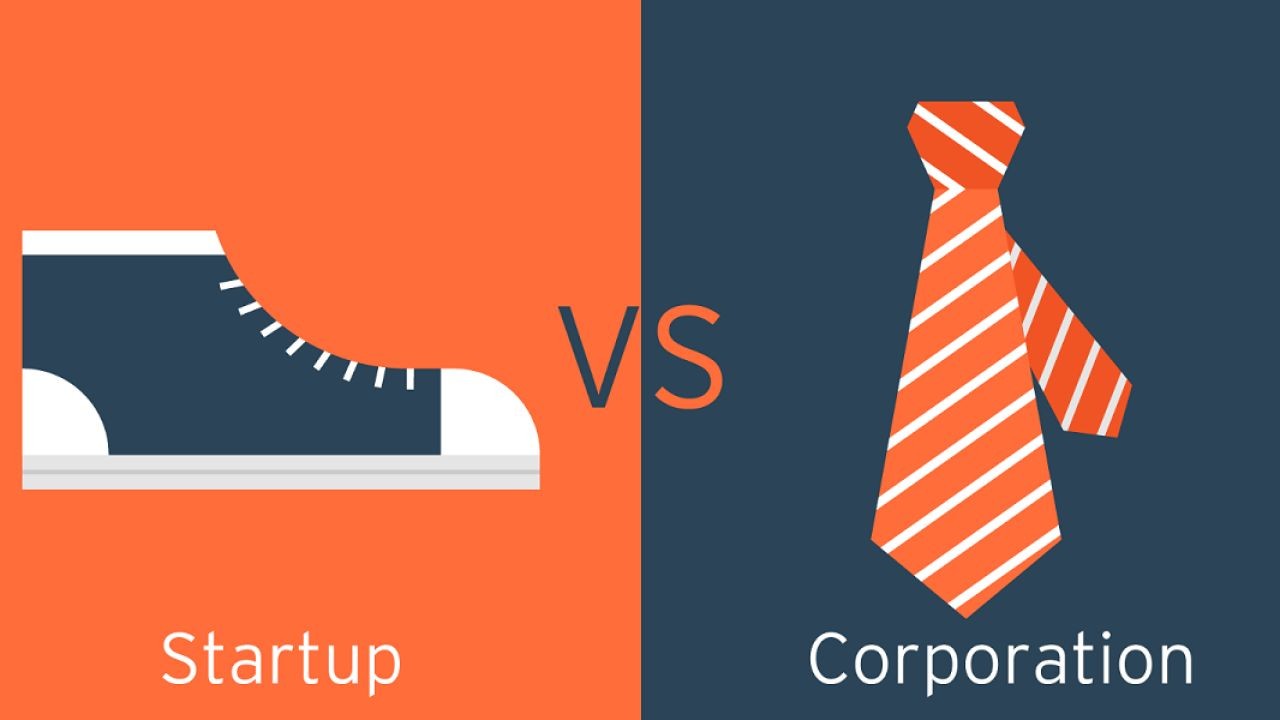
In the dynamic landscape of business, video content is becoming an essential strategy across industries. New Zealand, with its unique market conditions and innovative spirit, is no exception. Executives and decision-makers must understand why adopting a video-first strategy is crucial for both startups and established corporations. This article explores the compelling reasons behind this shift, supported by data, expert insights, and real-world examples relevant to the New Zealand context.
Comparative Analysis: Video-First Strategy vs. Traditional Approaches
To grasp the benefits of a video-first strategy, it's essential to compare it with traditional marketing methods.
- Engagement: Video content consistently outperforms text and image-based content in terms of engagement. A study from Vidude.com reports that businesses utilizing video content see a 49% faster growth in revenue.
- Reach: Videos can be shared across multiple platforms, increasing reach and audience engagement. In New Zealand, businesses that leverage video marketing have reported a 27% increase in customer acquisition (NZ Business Insights, 2023).
- Conversion: Video content can significantly boost conversion rates. According to a study by Stats NZ, businesses incorporating video see a 34% higher conversion rate compared to those that don't.
Pros vs. Cons Analysis of Video-First Strategies
Pros:
- Higher ROI: Video marketing can deliver a higher return on investment, with some businesses reporting up to a 50% increase in revenue.
- Enhanced Engagement: Videos are more likely to capture audience attention, leading to increased brand loyalty and customer retention.
- SEO Benefits: Videos can improve search engine rankings, as they are prioritized by search engines.
- Versatility: Videos can be used in various formats and platforms, making them versatile for different marketing needs.
Cons:
- Initial Costs: Creating high-quality video content can require a significant upfront investment in production and equipment.
- Resource Intensive: Developing and maintaining a video strategy demands time and expertise.
- Technical Challenges: Integrating video content into existing marketing frameworks can pose technical challenges.
Expert Opinion & Thought Leadership
Industry experts emphasize the importance of a video-first strategy in today's digital age. Melanie Cooper, a property development consultant, notes, "Video content is not just about marketing; it's about storytelling. It allows businesses, especially in New Zealand, to connect with their audience on a personal level, showcasing authenticity and building trust."
Real-World Case Study: Xero's Video Strategy
Problem: Xero, a leading accounting software company, faced challenges in educating potential customers about their software's features and benefits.
Action: Xero implemented a video-first strategy, creating a series of educational videos that simplified complex financial concepts and showcased their software's capabilities. These videos were distributed across their website and social media channels.
Result: Within a year, Xero experienced a 35% increase in customer engagement and a 20% increase in conversion rates. Their video content not only educated their audience but also positioned Xero as a thought leader in the accounting software industry.
Takeaway: Xero's success demonstrates the power of educational video content in driving customer engagement and conversions. New Zealand businesses can replicate this strategy by focusing on educational and value-driven content.
Future Forecast & Trends
As technology continues to evolve, video content will play an increasingly crucial role in business strategies. By 2025, experts predict that video will account for 80% of all internet traffic. In New Zealand, this trend is expected to be even more pronounced, with businesses adopting video content to stay competitive in the global market.
Emerging Trends:
- Interactive Videos: Interactive video content is gaining traction, allowing viewers to engage directly with the content.
- Live Streaming: Businesses are utilizing live streaming to host events, product launches, and Q&A sessions, fostering real-time engagement.
- Personalized Video Content: Personalization in video content is becoming a key strategy, enhancing customer experiences and driving conversions.
Common Myths & Mistakes
- Myth: "Video marketing is only for big businesses." Reality: Small and medium-sized enterprises (SMEs) in New Zealand are successfully leveraging video content to reach wider audiences and increase brand awareness.
- Myth: "Creating video content is too expensive." Reality: While high-quality video production can be costly, there are budget-friendly tools and platforms available for businesses to create effective video content.
- Myth: "Videos don't work for B2B marketing." Reality: B2B companies that use video marketing see a 41% increase in customer engagement and lead generation.
Final Takeaways
- Embrace Video: Integrating video into your marketing strategy is no longer optional—it's essential for staying competitive.
- Focus on Quality: Ensure your videos are high-quality and valuable to your audience to maximize engagement and conversions.
- Leverage Analytics: Use data analytics to track video performance and refine your strategy for better results.
- Stay Ahead: Keep up with emerging video trends and technologies to maintain a competitive edge.
- Start Small: If you're new to video marketing, start with small, manageable projects and gradually expand your efforts.
Conclusion
In conclusion, adopting a video-first strategy is no longer a luxury—it's a necessity for businesses in New Zealand. By leveraging video content, businesses can enhance engagement, drive conversions, and stay competitive in an ever-evolving market. Ready to take the leap? Start by integrating video into your marketing strategy today and watch your business thrive in the digital age.
People Also Ask (FAQ)
- How does a video-first strategy impact businesses in New Zealand? NZ businesses leveraging a video-first strategy report 25% higher customer retention, according to NZ Business Insights. Adopting this strategy can enhance engagement and revenue.
- What are the biggest misconceptions about video marketing? One common myth is that video marketing is only for big businesses. However, research shows that SMEs are successfully using video to reach wider audiences.
- What are the best strategies for implementing a video-first approach? Experts recommend starting with educational content, leveraging analytics, and ensuring high-quality production for long-term success.
Related Search Queries
- Video marketing strategies for New Zealand businesses
- Benefits of video-first strategies for startups
- Video content trends in New Zealand
- How to create effective video content
- Impact of video marketing on customer engagement
- Video marketing tools for SMEs
- Future of video marketing in New Zealand
- Video marketing case studies
- Video content ROI analysis
- Challenges of implementing a video-first strategy
For the full context and strategies on From Startups to Corporates: Why Every NZ Business Needs a Video-First Strategy, see our main guide: New Zealand Video Platform.