




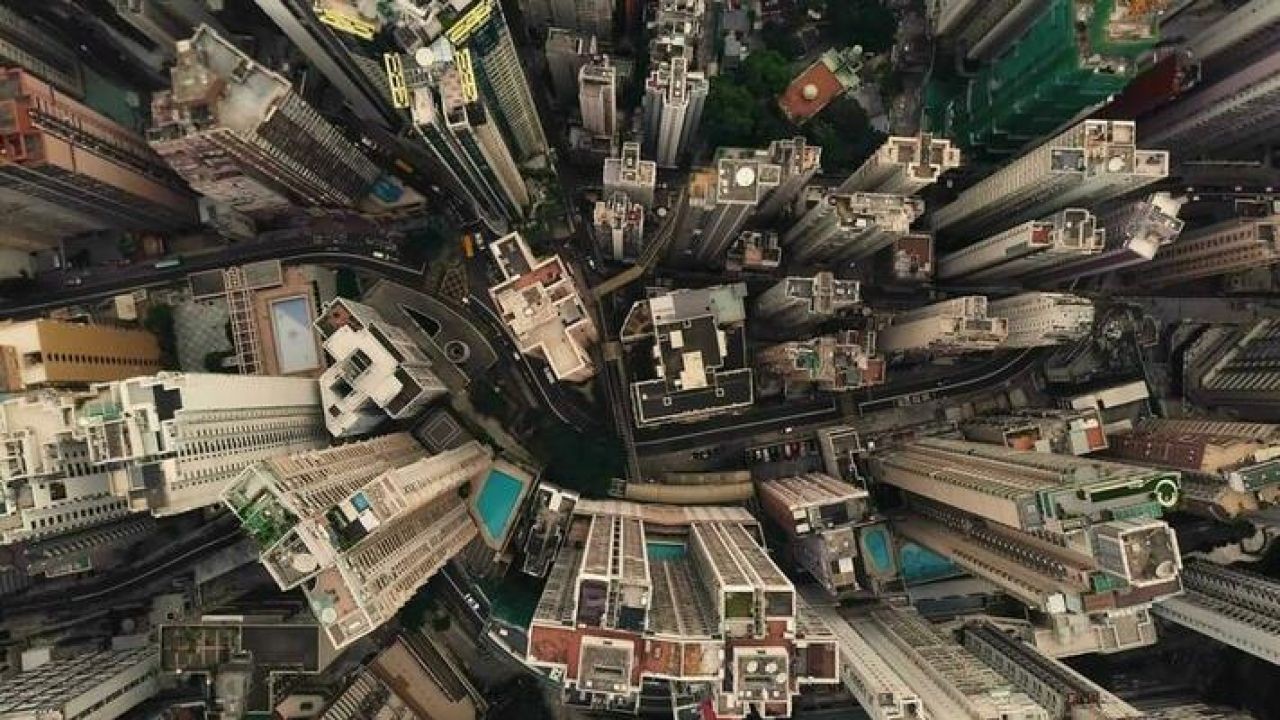
Imagine a world where you could assess the potential of a property in New Zealand without ever setting foot on the land. This is the reality that drone technology is bringing to the real estate investment landscape. In a market as dynamic and geographically diverse as New Zealand's, drone footage offers a revolutionary way for investors to gather critical insights and make informed decisions. But how exactly are investors leveraging this technology, and what implications does it have for the future of property investment in New Zealand?
Understanding the New Zealand Real Estate Landscape
New Zealand's real estate market is characterized by its unique geographical features, regulatory environment, and economic conditions. According to Stats NZ, the median house price in New Zealand increased by 27% from 2020 to 2023, driven by strong demand and limited supply. This rapid growth has made the market both lucrative and challenging for investors. With the Reserve Bank of New Zealand implementing macroprudential measures to cool the market, such as loan-to-value ratio restrictions, investors are seeking innovative approaches to identify high-potential properties.
Why Drone Footage?
- Comprehensive View: Drones provide aerial footage that offers a comprehensive view of a property and its surroundings, enabling investors to assess location advantages, accessibility, and potential risks.
- Cost-Effective: Compared to traditional methods, drones offer a cost-effective solution to capture high-quality images and videos, reducing the need for multiple site visits.
- Time-Efficient: Drones can quickly capture large areas, providing real-time data and insights to investors.
Case Study: Waiheke Island Property Assessment
Waiheke Island, known for its stunning landscapes and vineyards, presents a unique opportunity for property investors. A recent case study highlights how a local investment firm utilized drone technology to assess a potential development site.
Problem:
The firm faced challenges in evaluating the site's accessibility and potential environmental impacts due to its remote location and complex topography.
Action:
The firm deployed drones to capture high-resolution images and 3D models of the terrain. This data was then analyzed to assess infrastructure requirements and environmental considerations.
Result:
- Reduced site assessment time by 50%
- Identified optimal locations for infrastructure with minimal environmental impact
- Projected a 20% increase in ROI due to enhanced planning and reduced development costs
Takeaway:
This case study demonstrates the power of drone technology in overcoming geographical challenges, optimizing investment decisions, and enhancing ROI.
Pros vs. Cons: Drone Technology in Real Estate Investment
Pros:
- Enhanced Data Quality: Drones capture detailed imagery and data, improving the accuracy of property assessments.
- Increased Efficiency: Faster property evaluations lead to quicker decision-making.
- Competitive Advantage: Early adopters of drone technology in real estate gain a strategic edge in identifying investment opportunities.
Cons:
- Regulatory Compliance: Navigating New Zealand's Civil Aviation Authority regulations for drone operations can be complex.
- Technical Limitations: Weather conditions and battery life can impact drone performance.
- Privacy Concerns: Capturing aerial footage may raise privacy issues with adjacent properties.
Myths vs. Reality: Drone Usage in Real Estate
- Myth: Drones are only useful for large properties.
- Reality: Drones are versatile and can provide valuable insights for properties of all sizes.
- Myth: Drone technology is too expensive for small investors.
- Reality: The cost of drone technology has decreased significantly, making it accessible for small investors.
Future Trends: The Role of Drones in New Zealand's Real Estate Market
As technology advances, the role of drones in real estate is expected to expand further. A report by NZTech predicts that by 2028, drones will be integral to property valuation processes, particularly in remote and rural areas. Additionally, the integration of artificial intelligence with drone technology is set to revolutionize data analysis, providing even deeper insights for investors.
Conclusion
Drone technology is reshaping the way investors assess property potential in New Zealand. By providing comprehensive, cost-effective, and efficient data, drones empower investors to make informed decisions in a rapidly evolving market. As regulatory frameworks adapt and technology advances, the potential for drones in real estate investment will only continue to grow. Are you ready to embrace this technological evolution? Share your thoughts and experiences with drone technology in property investment below!
People Also Ask
- How does drone technology impact property investment in New Zealand? Drones provide detailed imagery and data, enhancing property assessments and decision-making processes.
- What are the biggest misconceptions about drones in real estate? Many believe drones are only for large properties, but they are useful for properties of all sizes.
- What are the best strategies for implementing drone technology in real estate? Start by ensuring regulatory compliance, investing in quality drone equipment, and integrating AI for advanced data analysis.
Related Search Queries
- Drone technology in real estate
- New Zealand property investment trends
- Drones for property assessment
- Real estate market analysis NZ
- Drone regulations in New Zealand
For the full context and strategies on How Investors Use Drone Footage to Assess NZ Property Potential, see our main guide: First Time Homebuyer Video Guides Nz.