


Why Luxury Tourism Videos Attract High-Value Visitors to New Zealand
New Zealand’s tourism industry has a well-earned reputation for showcasing breathtaking landscapes and unique cultural experiences. But what truly captivates the high-value, luxury traveler? The answer lies in expertly crafted tourism videos that highlight the nation’s unique offerings. Luxury tourism videos are not just about scenic shots of pristine landscapes; they are a strategic tool used to attract affluent visitors who seek more than just a vacation—they seek an experience.
Luxury tourism in New Zealand has entered a period of quiet recalibration. After years of prioritising volume, the country’s tourism strategy has increasingly focused on value, sustainability, and visitor experience. In this environment, video has become one of the most influential tools shaping how high-value travellers perceive Aotearoa before they ever arrive. Not because it dazzles, but because it communicates something harder to articulate through words alone: space, pace, and a sense of considered exclusivity grounded in place.
For New Zealand, luxury tourism is not defined by excess. It is defined by access, authenticity, and time. The role of video is to translate these qualities into a visual language that resonates with discerning travellers who are less motivated by price and more by meaning.
Why this matters now for New Zealand tourism
New Zealand’s tourism sector is operating under new constraints. Infrastructure limits, workforce shortages, and environmental pressures have reshaped what growth can realistically look like. At the same time, international travel has resumed in a more selective form. High-value visitors are travelling less frequently, staying longer, and expecting experiences that feel personal rather than transactional.
Luxury tourism videos have gained strategic importance because they allow New Zealand to signal this shift clearly. They set expectations before arrival, filtering audiences as much as attracting them. In doing so, they help align visitor demand with the country’s capacity and long-term goals, particularly around sustainability and regional dispersal.
Understanding the high-value visitor mindset
High-value visitors are not a homogeneous group, but they tend to share certain characteristics. They are time-poor, well-travelled, and highly attuned to authenticity. Many have experienced traditional luxury destinations and are looking for something distinct rather than interchangeable. For these travellers, New Zealand’s appeal lies in contrast rather than spectacle.
Video plays a critical role in addressing this mindset because it can convey subtlety. A well-crafted luxury tourism video does not rush. It lingers on light, sound, and movement. It shows how an experience unfolds rather than listing what is included. This pacing mirrors the experience being sold, reinforcing the idea that New Zealand offers something different from more frenetic luxury markets.
The power of landscape as narrative, not backdrop
New Zealand’s landscapes are often described as cinematic, but luxury tourism videos that resonate most strongly treat landscape as narrative rather than scenery. Mountains, coastlines, forests, and lakes are not just shown as impressive views. They are framed as environments that shape experience, solitude, and connection.
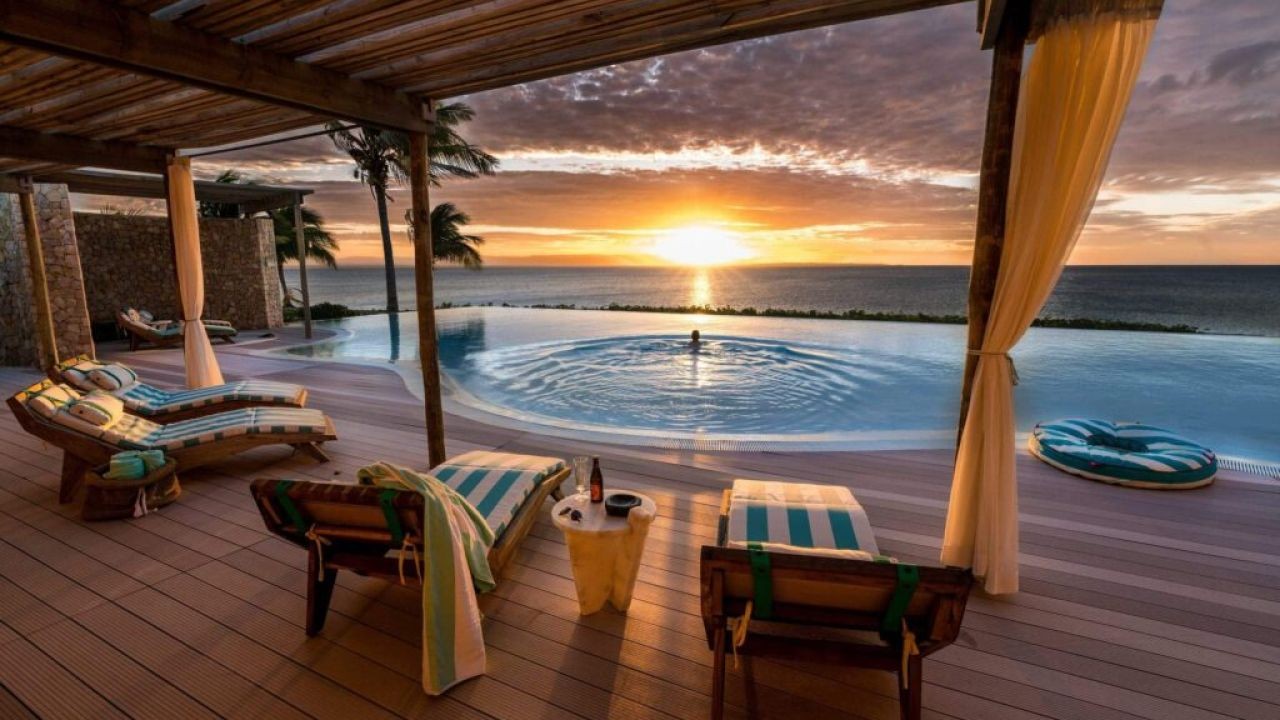
For high-value travellers, this framing matters. It suggests exclusivity through remoteness and access rather than through gates or glamour. A helicopter landing on a remote ridge, a private lodge tucked into native bush, or a vineyard experienced at dawn communicates privilege without ostentation. Video allows these moments to be contextualised, showing how guests move through space rather than simply what they see.
Storytelling that aligns with New Zealand’s luxury identity
Luxury in New Zealand has always sat slightly apart from global norms. It is quieter, less formal, and more closely tied to nature and culture. Tourism videos that succeed in attracting high-value visitors tend to reflect this identity honestly rather than borrowing tropes from overseas luxury marketing.
This means showcasing people as well as places. Lodge hosts, guides, chefs, and pilots often feature prominently, reinforcing the idea that expertise and care are central to the experience. For many high-value visitors, personal interaction and knowledge are as important as physical comfort. Video storytelling that foregrounds these relationships helps set realistic and appealing expectations.
Māori culture and authenticity in luxury tourism videos
For international visitors, Māori culture is a defining element of New Zealand’s identity. In the luxury tourism space, its inclusion requires particular care. High-value travellers are often highly sensitive to authenticity and respectful representation, and poorly contextualised cultural imagery can undermine trust rather than build it.
Luxury tourism videos that incorporate Māori perspectives effectively do so through partnership and narrative, not symbolism alone. They explain why a place matters, how stories are held, and what protocols shape engagement. This approach aligns with broader shifts in tourism toward regenerative and values-led travel, where understanding context is part of the luxury proposition.
Why video outperforms other formats in this segment
High-value tourism decisions are rarely impulsive. They involve long consideration cycles, multiple stakeholders, and significant investment. Video supports this process by allowing prospective visitors to imagine themselves within an experience over time. Unlike static imagery, video conveys rhythm, scale, and transition, all of which are central to understanding what a luxury journey in New Zealand actually feels like.
There is also a trust dimension. High production quality signals professionalism, but restraint signals confidence. Luxury tourism videos that avoid excessive editing or dramatic narration often feel more credible to experienced travellers. They suggest that the destination does not need to exaggerate to impress.
Distribution, platforms, and audience alignment
While global platforms dominate video distribution, high-value tourism content often performs best in curated environments rather than mass feeds. Private travel advisors, bespoke tour operators, and invitation-only platforms play a significant role in how these videos are consumed.
For New Zealand operators, this means thinking carefully about where and how videos are shown. A video designed to support a one-on-one conversation with a travel designer serves a different purpose from one aimed at broad awareness. Understanding this distinction is critical to attracting the right visitors rather than simply more viewers.
Risks of misalignment and over-promise
Luxury tourism videos carry particular risk because expectations are high. If the experience on the ground does not match what is portrayed, disappointment is amplified. In a country like New Zealand, where weather, distance, and logistics can influence experience significantly, honesty becomes a strategic asset.
Experts in destination marketing often emphasise that luxury storytelling should include constraint as well as possibility. Showing the journey, the remoteness, and the time required can actually increase appeal for high-value travellers who value exclusivity and immersion. Over-polished narratives that omit these realities can attract the wrong audience and create operational strain.
Economic and regional implications
Attracting high-value visitors through luxury tourism videos has broader implications for New Zealand’s economy. These travellers tend to spend more per day, stay longer, and engage with premium experiences across multiple regions. This supports regional operators and reduces pressure on high-volume destinations.
Video plays a role in this dispersal by highlighting lesser-known locations and experiences in a way that feels intentional rather than secondary. For regions outside the main tourism hubs, being represented accurately and attractively in luxury-focused content can influence both visitation patterns and investment.
What the next three to five years may bring
Over the coming years, luxury tourism videos are likely to become even more central to how New Zealand positions itself internationally. As competition for high-value travellers intensifies, the emphasis will shift further toward storytelling that demonstrates stewardship, depth, and long-term thinking.
Technological advances may improve production and distribution, but the core challenge will remain human. How to tell stories that respect place, manage expectation, and attract visitors aligned with New Zealand’s values. Those who succeed will be operators and destinations that see video not as promotion, but as a form of conversation with their future guests.
For New Zealand, the attraction of high-value visitors is not about being seen as the most luxurious destination in the world. It is about being understood. Luxury tourism videos, when done well, help ensure that those who arrive are not just wealthy, but genuinely aligned with what Aotearoa offers.
Case Study: The Success of Tourism New Zealand’s Campaigns
Problem: Tourism New Zealand sought to attract more high-net-worth individuals to boost tourism revenue.
Action: They developed a series of luxury-focused videos showcasing exclusive experiences such as luxury lodges, private guided tours, and gourmet dining. The campaign leveraged social media and targeted online platforms frequented by affluent travelers.
Result: Within a year, New Zealand saw a 25% increase in luxury travelers, contributing an estimated NZD 1.3 billion to the economy. The campaign’s success underscored the power of targeted digital marketing.
Takeaway: Luxury tourism videos can effectively attract high-value visitors when they focus on exclusive experiences and leverage digital platforms for targeted outreach.
Data-Driven Insights into the Tourism Market
Statistics from Stats NZ indicate that luxury tourists spend significantly more than average tourists, with daily expenditures exceeding NZD 1,000 per person. This high spending is not only beneficial for the tourism sector but also for related industries such as hospitality, retail, and transportation.
Furthermore, a report by the Reserve Bank of New Zealand highlights that the tourism sector is a key driver of economic growth, contributing over 5% to the national GDP. By attracting luxury travelers, New Zealand can enhance its economic resilience and sustainability.
Pros and Cons of Luxury Tourism Videos
Pros:
- High Engagement: Videos capture attention and are more likely to be shared, increasing brand visibility.
- Emotional Connection: Storytelling creates an emotional bond, encouraging potential visitors to experience the destination.
- Targeted Marketing: Videos can be easily customized to target specific demographics, maximizing ROI.
- Brand Differentiation: High-quality videos set destinations apart, showcasing unique offerings.
Cons:
- Production Costs: High-quality videos require significant investment, which may not be feasible for smaller businesses.
- Rapid Content Turnover: The fast-paced digital environment means videos can quickly become outdated.
- Variable Impact: The effectiveness of videos can vary based on distribution strategy and audience engagement.
Expert Insights and Industry Deep Dive
Jack Edwards, an Automation & Robotics Engineer, emphasizes the importance of integrating advanced technologies in video production. "Using AI and data analytics can significantly enhance the impact of tourism videos by personalizing content to match viewer preferences, increasing engagement and conversion rates," he notes.
Furthermore, emerging trends suggest that virtual reality (VR) and augmented reality (AR) will play a crucial role in the future of luxury tourism marketing. These technologies offer immersive experiences that can further entice high-value visitors to New Zealand.
Common Myths and Mistakes
- Myth: "Luxury tourism is only about five-star hotels and expensive dining." Reality: Luxury tourism encompasses unique experiences, personalized service, and authentic cultural interactions beyond just luxury accommodations.
- Myth: "Only older travelers are interested in luxury tourism." Reality: Millennials and Gen Z are increasingly seeking luxury experiences that offer authenticity and exclusivity.
- Myth: "Videos need to be long to be effective." Reality: Short, impactful videos can be more effective in capturing attention and conveying key messages quickly.
These myths highlight the importance of understanding the evolving luxury tourism market and adapting marketing strategies accordingly.
Future Trends and Predictions
According to a report by Deloitte, the global luxury travel market is expected to grow by 8% annually, with New Zealand positioned as a key beneficiary of this trend. By 2030, it is predicted that AI-driven personalization will become standard in tourism marketing, allowing businesses to offer highly customized experiences that resonate with individual preferences.
Additionally, sustainability will become a central focus, with luxury travelers increasingly seeking eco-friendly options. New Zealand’s commitment to sustainable tourism practices will enhance its appeal to this market segment.
Conclusion
Luxury tourism videos serve as a powerful tool to attract high-value visitors to New Zealand. By leveraging visual storytelling, data-driven insights, and emerging technologies, businesses can effectively tap into the lucrative luxury travel market. As the industry evolves, staying ahead of trends and adapting to changing consumer preferences will be crucial for sustained success.
Ready to elevate your tourism marketing strategy? Share your thoughts and experiences below! For more insights, subscribe to our newsletter and stay updated on the latest trends in luxury tourism.
People Also Ask
How do luxury tourism videos impact New Zealand’s economy? Luxury tourism videos attract high-spending visitors, significantly contributing to New Zealand’s economy by boosting tourism revenue and supporting related industries.
What makes a tourism video successful? Successful tourism videos combine high-quality visuals with compelling narratives, targeting specific demographics to create an emotional connection with potential visitors.
What is the future of luxury tourism marketing? The future of luxury tourism marketing lies in AI-driven personalization and sustainable practices, offering highly customized and eco-friendly experiences to attract high-value visitors.
Related Search Queries
- Luxury tourism in New Zealand
- High-value visitors tourism marketing
- New Zealand tourism strategies
- Visual storytelling in tourism
- Impact of luxury tourism videos
- Future trends in luxury travel
- Sustainable tourism practices NZ
- AI in tourism marketing
- Exclusive experiences in New Zealand
- High-net-worth travelers NZ
For the full context and strategies on Why Luxury Tourism Videos Attract High-Value Visitors to New Zealand, see our main guide: Local Tourism Videos Attract More Kiwi Travellers.