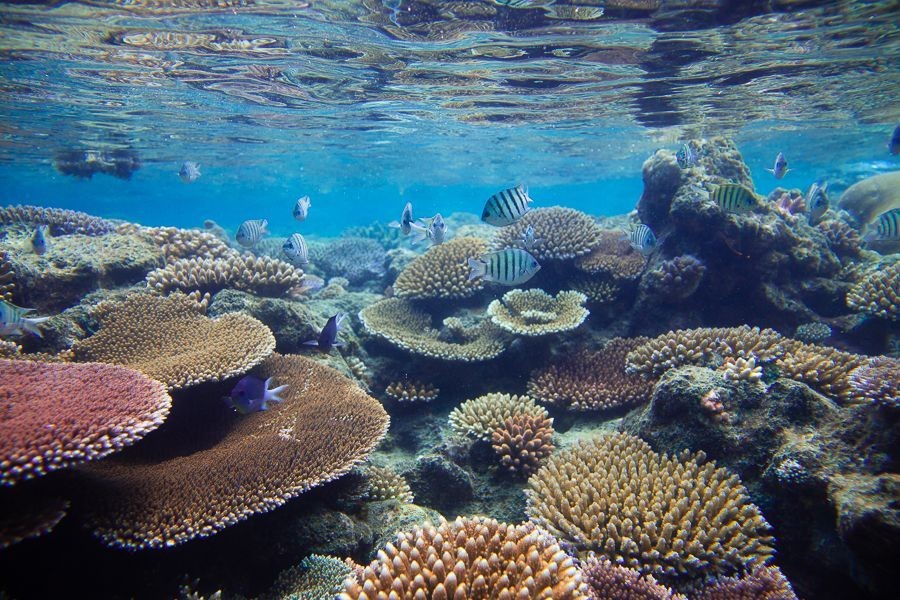





In the heart of New Zealand's breathtaking landscapes, small towns often find themselves overshadowed by the allure of their more prominent counterparts. Yet, a transformative tool has emerged to bridge this gap: scenic video marketing. This innovative strategy is not only capturing the essence of these hidden gems but is also inviting tourists from across the globe to explore the unexplored. But how exactly does this work, and what impact does it have on New Zealand's economy? Let's delve into the intricacies of this fascinating trend.
How Does Scenic Video Marketing Work?
Scenic video marketing leverages high-quality, visually captivating videos to showcase the natural beauty and unique charms of remote locations. By tapping into the emotional appeal of stunning vistas and local narratives, these videos create a compelling invitation for travelers seeking new experiences.
Through platforms like YouTube, Instagram, and TikTok, these videos reach a global audience, effectively turning casual viewers into potential visitors. The key lies in storytelling—presenting not just the visuals but the stories of the people, culture, and history that define these towns.
Why Is This Important for New Zealand?
Tourism plays a pivotal role in New Zealand's economy, contributing significantly to GDP and employment. According to Stats NZ, tourism accounted for 5.8% of the total GDP in 2022. However, the distribution of tourism revenue often skews towards major cities and well-known tourist spots, leaving smaller towns to grapple with economic challenges.
Scenic video marketing offers a lifeline to these remote areas, potentially redistributing tourist inflow and economic benefits. By highlighting the unique attractions of these regions, video marketing can stimulate local economies, create jobs, and preserve cultural heritage.
Case Study: The Success of Kaikoura
Problem:
Kaikoura, renowned for its marine life and picturesque landscapes, faced the challenge of being overshadowed by larger tourist destinations. The town struggled to attract significant footfall despite its rich offerings.
Action:
To tackle this, Kaikoura adopted a comprehensive scenic video marketing strategy. Collaborating with local videographers, the town produced a series of videos highlighting its unique whale-watching experiences and stunning coastal views. These videos were strategically shared across social media platforms and partnered with travel influencers to amplify reach.
Result:
Within a year, Kaikoura witnessed a 30% increase in tourist visits, leading to a 20% boost in local business revenues. This influx not only invigorated the town's economy but also encouraged sustainable tourism practices.
Takeaway:
Kaikoura's experience underscores the power of scenic video marketing in driving tourism to lesser-known destinations. By effectively telling its story, the town managed to attract visitors who might have otherwise overlooked it.
What Are the Benefits and Drawbacks?
Pros:
- Enhanced Visibility: Small towns gain international exposure, reaching audiences they otherwise couldn't.
- Increased Revenue: More tourists mean more business for local enterprises, from hotels to restaurants.
- Preservation of Culture: Highlighting local traditions can foster pride and encourage cultural preservation.
- Sustainable Growth: Properly managed tourism can lead to sustainable economic development.
Cons:
- Resource Intensive: High-quality video production requires investment in time and money.
- Overtourism Risks: Without proper management, increased tourist numbers can strain local resources.
- Privacy Concerns: Increased exposure might interfere with the daily lives of local residents.
Common Myths About Scenic Video Marketing
Myth: "Scenic video marketing is only effective for well-known destinations."
Reality: In fact, it's the lesser-known towns that stand to gain the most, as their untapped potential is revealed to a new audience.
Myth: "Producing high-quality videos is too expensive for small towns."
Reality: Advances in technology have made video production more accessible and cost-effective, with many tools available for budget-friendly creation.
Myth: "Video marketing only appeals to younger travelers."
Reality: Well-crafted videos can appeal to all age groups, as they tap into universal desires for adventure and discovery.
What Are the Future Trends in Scenic Video Marketing?
As technology advances, the integration of virtual reality (VR) and augmented reality (AR) in scenic video marketing is set to revolutionize the industry. By 2026, it's predicted that 40% of tourism marketing will incorporate these immersive technologies, providing potential visitors with a preview that is as close to reality as possible (Source: NZ Tourism Board).
Moreover, with the continued rise of social media influencers, collaborations will become increasingly strategic, targeting niche audiences effectively and ensuring that remote towns gain the spotlight they deserve.
Conclusion
Scenic video marketing is a powerful tool that can transform the fortunes of remote New Zealand towns, offering a new lease on economic vitality and cultural preservation. By embracing this strategy, these towns can carve out a unique place in the global tourism landscape. Are you ready to explore the hidden gems of New Zealand? Share your thoughts and experiences in the comments below!
People Also Ask
How does scenic video marketing impact New Zealand's economy? By attracting tourists to lesser-known areas, scenic video marketing helps diversify tourism revenue, boosting local economies and creating jobs.
What are the biggest misconceptions about scenic video marketing? A common myth is that it's too costly for small towns, but advances in technology have made it accessible and effective for all.
Related Search Queries
- Scenic video marketing strategies
- New Zealand tourism trends
- Impact of video marketing on local economies
- Virtual reality in tourism
- How to increase tourist visits
- Benefits of digital marketing for small towns
- Case studies on tourism marketing
- Sustainable tourism strategies
- Future of tourism in New Zealand
- Augmented reality in travel marketing
For the full context and strategies on How Scenic Video Marketing Brings Tourists to Remote NZ Towns, see our main guide: Regional Promotion Videos North Vs South Island Nz.