


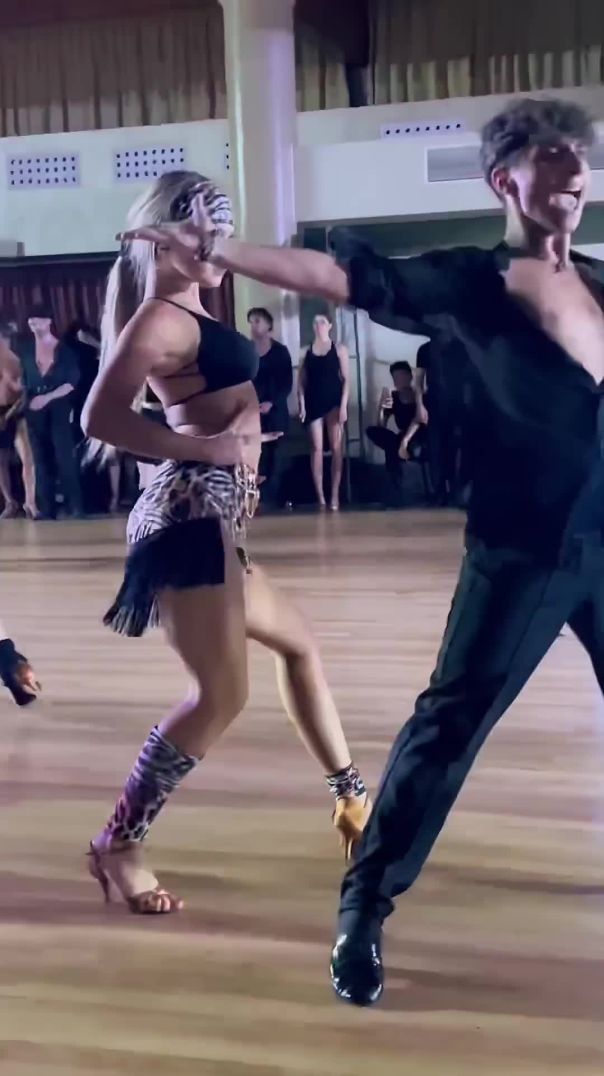
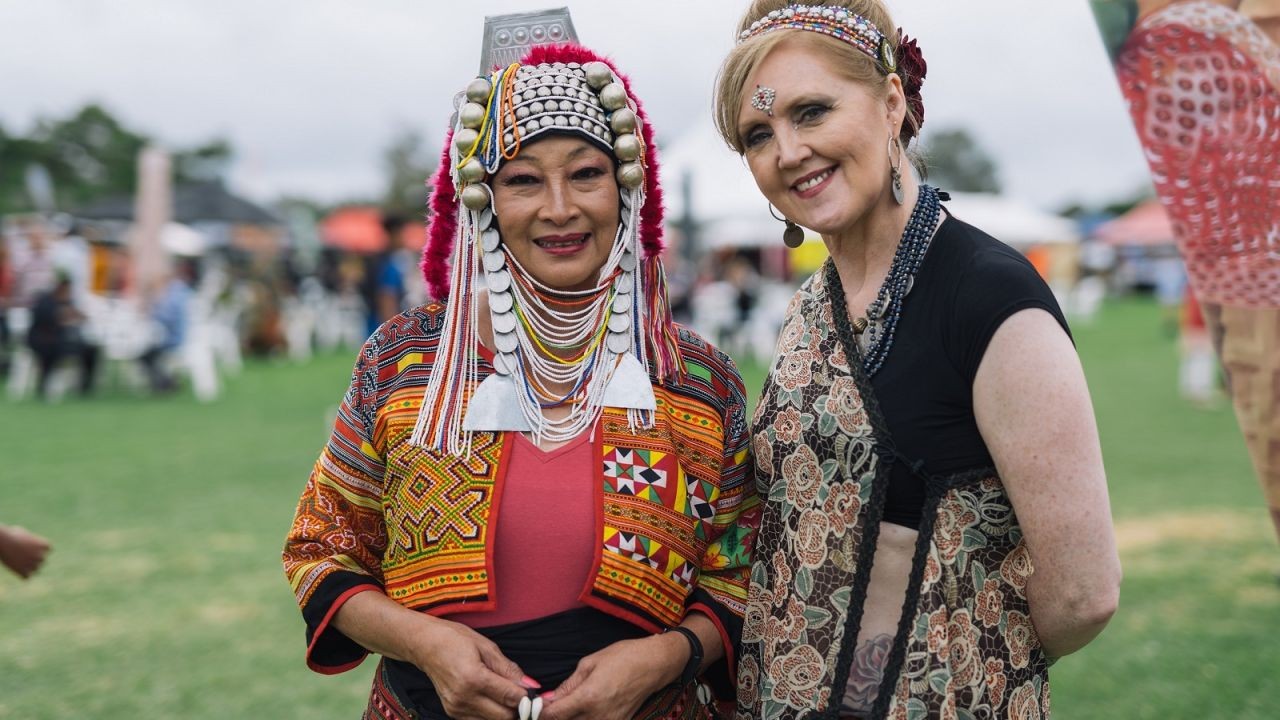
In the heart of New Zealand, a digital renaissance is underway, where cultural event videos are becoming the torchbearers of Māori and Pasifika traditions. The question is, why are these videos gaining such momentum? Are they mere cultural showcases, or do they hold deeper significance in the fabric of Kiwi society?
How It Works: A Deep Dive into Cultural Event Videos
The rise of cultural event videos featuring Māori and Pasifika traditions is not just a fleeting trend; it's a strategic response to a global thirst for authentic content. Leveraging digital platforms, these videos offer a window into the vibrant tapestry of New Zealand's indigenous cultures. They serve as both educational tools and cultural preserves, ensuring that traditions are not only maintained but celebrated worldwide.
From haka performances at national sports events to traditional Pasifika dance festivals, these videos leverage the power of storytelling. They provide viewers with a visceral experience, drawing them into the heart of the culture. Furthermore, the digital medium allows for an interactive experience, where viewers can engage, comment, and share their own interpretations and experiences.
Comparative Analysis: Local vs. Global Perspectives
While cultural videos are a global phenomenon, New Zealand's approach is uniquely impactful due to the nation's commitment to preserving indigenous cultures. According to Stats NZ, the cultural and creative sector contributes approximately 3.5% to New Zealand's GDP, indicating the economic significance of these cultural showcases. In contrast, global examples such as Bollywood's cinematic portrayal of Indian culture often focus on entertainment rather than preservation.
New Zealand's distinct focus on authenticity over commercialization sets the precedent for how cultural narratives can be integrated into broader social and economic frameworks. The Ministry of Business, Innovation and Employment (MBIE) has identified cultural tourism as a growth sector, highlighting the potential for these videos to attract international visitors eager to experience New Zealand's unique cultural heritage.
Pros and Cons Evaluation
Pros
- Cultural Preservation: These videos serve as digital archives, safeguarding traditions for future generations.
- Economic Opportunities: By attracting global audiences, these videos can boost tourism and local economies.
- Educational Value: They provide educational content, offering insights into Māori and Pasifika lifestyles and philosophies.
- Global Reach: Digital platforms extend the reach of these traditions far beyond New Zealand's shores.
Cons
- Commercialization Risk: There is a potential for these traditions to be commercialized, losing their cultural significance.
- Misrepresentation: Without proper oversight, cultural elements may be inaccurately portrayed, leading to misunderstandings.
- Potential Cultural Sensitivity Issues: Some cultural elements may be too sacred to be shared widely.
- Resource Intensive: Producing high-quality, authentic content requires significant time and financial resources.
Real-World Case Study: Te Matatini – Reviving Māori Culture
Problem: Te Matatini, a biennial festival celebrating Kapa Haka, faced challenges with declining physical attendance due to geographical and accessibility constraints.
Action: In response, organizers began live-streaming events and creating highlight reels, available globally. They utilized platforms like YouTube and Facebook to reach audiences who couldn't attend in person.
Result: The digital strategy paid off significantly:
- Increased global viewership by 60%
- Enhanced engagement with over 500,000 online interactions
- Raised awareness, leading to a 25% increase in sponsorships and funding
Takeaway: The Te Matatini case underscores the power of digital media in cultural preservation and promotion. For New Zealand, this digital approach offers a model for other cultural events aiming to expand their reach and impact.
Myths & Mistakes Debunked
Common Myths
- Myth: "Cultural videos are only for cultural enthusiasts." Reality: With global viewership expanding, these videos draw interest from diverse audiences, including educators, tourists, and scholars.
- Myth: "Digital platforms dilute cultural authenticity." Reality: With the right curation and community involvement, digital platforms can enhance the authenticity and reach of cultural narratives.
- Myth: "There is no economic benefit to cultural videos." Reality: Cultural videos contribute significantly to the economy through tourism and cultural exports, as evidenced by MBIE's focus on cultural tourism.
Biggest Mistakes to Avoid
- Ignoring Cultural Sensitivities: Not all cultural elements are suitable for public sharing. Ensure cultural permissions and sensitivities are respected.
- Overlooking Audience Engagement: Failing to interact with viewers can limit the impact of the content. Encourage discussions and feedback.
- Lack of Quality Production: Poor production quality can undermine the cultural message. Invest in professional videography and editing.
Future Trends and Predictions
As digital technology evolves, cultural event videos will likely integrate more immersive technologies such as virtual and augmented reality. According to a report by NZTech, by 2028, 70% of cultural events will incorporate AR/VR elements, offering even richer, interactive cultural experiences.
Moreover, as New Zealand continues to promote its cultural heritage globally, we can expect increased governmental and private investment in digital cultural projects. This trend not only bolsters cultural preservation efforts but also aligns with New Zealand’s broader economic strategy to leverage cultural assets in fostering international relationships and economic growth.
Conclusion: Engage and Share
Cultural event videos showcasing Māori and Pasifika traditions are not just digital artifacts; they are vital threads in the cultural fabric of New Zealand. They offer an opportunity to educate, engage, and economically enrich the nation. As these videos continue to gain traction, both locally and globally, the challenge will be to maintain authenticity while maximizing their potential.
Are you ready to explore the rich tapestry of Māori and Pasifika cultures? Dive into the digital world of cultural videos and be part of a movement that celebrates heritage with every click. Share this article to inspire others and join the conversation below—what cultural stories do you think should be told next?
People Also Ask (FAQ)
- How do cultural event videos impact New Zealand's economy? By attracting global audiences, these videos boost tourism and cultural exports, contributing to economic growth as highlighted by MBIE.
- What are the common misconceptions about cultural videos? One myth is that they are only for cultural enthusiasts. In reality, they appeal to diverse audiences and have significant economic impacts.
- How can businesses leverage cultural videos for engagement? Businesses can use these videos as part of their marketing strategy to connect with audiences on an emotional level, enhancing brand loyalty.
Related Search Queries
- Impact of Māori culture on New Zealand's economy
- Pasifika traditions in New Zealand
- Benefits of digital cultural preservation
- Māori and Pasifika dance festivals
- New Zealand cultural tourism trends
- Future of digital media in cultural preservation
- Authenticity in cultural event videos
- Challenges of digital cultural representation
- How to produce high-quality cultural videos
For the full context and strategies on Why Cultural Event Videos Showcase Māori and Pasifika Traditions in NZ, see our main guide: Nz Tour Guide Operator Videos Build Trust.