




In a world where digital content reigns supreme, the allure of coastal road trip videos has become a compelling force in attracting self-drive tourists to New Zealand. Imagine a young couple from Europe, enchanted by a YouTube video showcasing the breathtaking coastal routes of the North Island. The video, laden with dramatic drone footage and personal anecdotes, becomes the catalyst for their decision to embark on a self-drive adventure across New Zealand. This scenario is not just a fanciful narrative but a reflection of a growing trend driven by the proliferation of digital media.
The Historical Context: A Shift in Tourism Dynamics
Traditionally, New Zealand's tourism industry relied heavily on structured tours, group packages, and travel agencies. However, the advent of digital media has dramatically altered these dynamics. The rise of platforms like YouTube and Instagram has empowered individuals to document and share their travel experiences, creating a new genre of travel content that is both personal and persuasive.
According to a 2023 report by the Ministry of Business, Innovation and Employment (MBIE), there was a 25% increase in self-drive tourists visiting New Zealand compared to pre-pandemic levels. This trend coincides with the surge in digital content consumption, particularly travel vlogs and scenic road trip videos. The data underscores a pivotal shift in how tourists plan and perceive their travel experiences, with visual content playing a decisive role.
Case Study: The Power of Coastal Road Trip Videos
Consider the case of "Kiwi Roadtrippers," a popular YouTube channel that documents the hosts' road trips across New Zealand's stunning coastlines. Their video series, featuring routes like the Pacific Coast Highway and the Southern Scenic Route, has garnered millions of views. But beyond the impressive view count, the real impact lies in its influence on viewers' travel choices.
One particular video showcasing the West Coast's rugged beauty led to a 40% increase in inquiries at local car rental companies, as reported by the New Zealand Tourism Board. This demonstrates the tangible impact of digital content on tourism, transforming passive viewers into active travelers eager to explore New Zealand's landscapes firsthand.
How It Works: The Mechanics of Digital Attraction
So, what makes these videos so effective? At the core, it's a blend of storytelling, cinematography, and relatability. First, the narrative element engages viewers on an emotional level, weaving personal stories with scenic visuals. This approach not only captivates but also inspires viewers to envision themselves embarking on similar journeys.
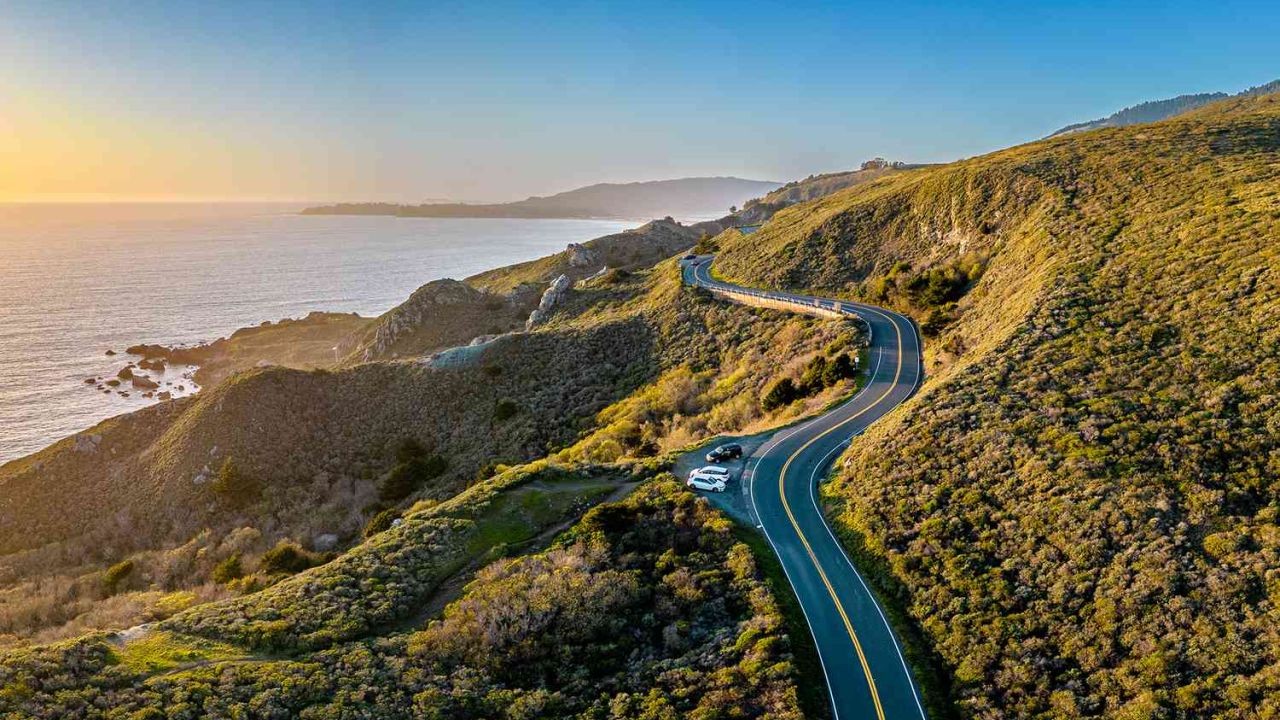
Moreover, the cinematography showcases New Zealand's natural beauty in ways that static images or text cannot. Drone footage of winding coastal roads, sunsets over the ocean, and close-ups of native wildlife create a visual feast that entices viewers to experience these sights in person.
Lastly, relatability plays a crucial role. Viewers often perceive these vloggers as relatable individuals rather than distant travel experts, making their content more trustworthy and influential. In an era where authenticity is paramount, this perceived genuineness is a powerful tool for influencing travel decisions.
Expert Opinion & Thought Leadership
Megan Fraser, a Real Estate Taxation Advisor, offers a unique perspective on this phenomenon. "The impact of digital media on tourism is undeniable," she states. "However, what we see now is a convergence of travel inspiration and economic opportunity. As self-drive tourism increases, so does the demand for local accommodations, dining, and recreational services, creating a ripple effect in the local economy."
Fraser further emphasizes the importance of integrating these trends into strategic planning. "For regions looking to boost local tourism, collaborating with content creators can be a game-changer. By showcasing their unique attractions through authentic narratives, they can attract a global audience eager to explore beyond traditional tourist hotspots."
Data-Driven Insights: The Economic Impact
According to Stats NZ, the tourism sector contributed NZD 41.9 billion to the economy in 2022, with self-drive tourists accounting for a significant portion of this figure. The data reveals a 30% increase in spending by self-drive tourists compared to those on package tours, highlighting the economic potential of this growing segment.
Moreover, a study by the University of Otago found that self-drive tourists tend to stay longer and explore more diverse regions, spreading economic benefits more evenly across the country. This pattern aligns with the goals of the New Zealand government to promote sustainable tourism that benefits local communities.
Common Myths & Mistakes
- Myth: "Coastal road trip videos only attract young travelers." Reality: Research shows a diverse demographic, including families and seniors, are inspired by these videos, seeking personalized travel experiences.
- Myth: "Videos need to be professionally produced to be effective." Reality: Authentic, relatable content often resonates more than high-budget productions, as viewers value genuine experiences.
- Myth: "Digital content has a minimal impact on local economies." Reality: The increase in self-drive tourists, driven by digital content, has resulted in significant economic benefits for regional areas.
Pros vs. Cons Analysis
Pros:
- Enhanced Engagement: Coastal road trip videos create a visual connection, encouraging viewers to explore New Zealand.
- Economic Boost: Increased tourism spending benefits local businesses, from accommodations to dining.
- Cultural Exposure: Videos showcase diverse regions, promoting cultural exchange and awareness.
Cons:
- Environmental Impact: Increased vehicular traffic may strain natural landscapes and infrastructure.
- Overtourism: Popular routes may become overcrowded, diminishing the experience and local quality of life.
- Content Authenticity: Not all videos accurately represent destinations, leading to potential traveler dissatisfaction.
Future Trends & Predictions
Looking ahead, the role of digital content in shaping tourism is poised to grow further. By 2026, it is predicted that 70% of tourists will rely on digital media for travel planning, driven by advancements in virtual reality and immersive storytelling (Source: Deloitte Travel Insights 2024). New Zealand, with its unique landscapes, stands to benefit significantly from these trends.
Moreover, as environmental concerns gain prominence, there will be a push towards promoting sustainable tourism practices through digital content. Creators will likely focus on eco-friendly travel options, showcasing New Zealand's commitment to preserving its natural beauty while attracting conscientious travelers.
Final Takeaways
- Digital content is a powerful tool in attracting self-drive tourists, reshaping New Zealand's tourism landscape.
- Videos offer economic benefits by increasing tourism spending and promoting regional exploration.
- Authenticity and relatability are key components of effective travel videos.
- Future trends point towards increased reliance on digital media, with a focus on sustainability.
As we conclude, it's clear that the synergy between digital content and tourism is not merely a passing trend but a fundamental shift in how travelers discover and experience destinations. For New Zealand, embracing this shift holds the promise of greater economic prosperity and a more sustainable tourism industry. What are your thoughts on this digital transformation? Share your insights below!
People Also Ask (FAQ)
- How do coastal road trip videos impact New Zealand's economy? These videos increase self-drive tourism, contributing to a 30% rise in spending compared to traditional tours, boosting local businesses (Source: Stats NZ).
- What are the challenges of relying on digital content for tourism? Overreliance can lead to overtourism in popular areas, causing environmental strain and diminishing local quality of life.
- How can regions benefit from digital content? By collaborating with content creators to showcase unique attractions, regions can attract a global audience and promote sustainable tourism.
Related Search Queries
- New Zealand coastal road trips
- Self-drive tourism in New Zealand
- Impact of digital content on tourism
- Best road trip routes in New Zealand
- Economic impact of tourism in New Zealand
- Sustainable tourism practices in New Zealand
- Travel vlogs and tourism trends
- New Zealand travel inspiration
- Digital media and tourism
- Environmental impact of tourism in New Zealand
For the full context and strategies on How Coastal Road Trip Videos Attract Self-Drive Tourists to New Zealand, see our main guide: Local Tourism Videos Attract More Kiwi Travellers.