




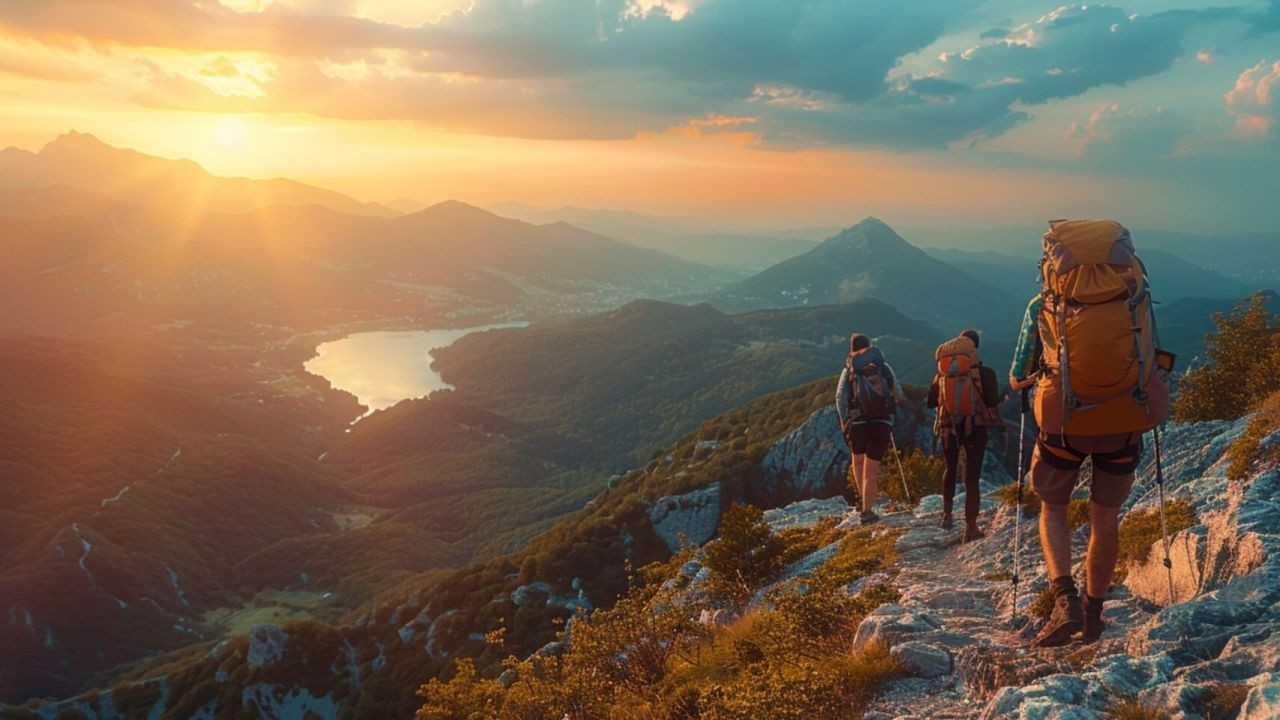
In recent years, New Zealand has emerged as a premier destination for wellness retreats, attracting international visitors through enticing promotional videos. These videos do not merely showcase the scenic beauty of the country; they weave a narrative around rejuvenation and holistic well-being, drawing health-conscious travelers from around the globe. This article delves into the dynamics of why wellness retreat videos are so effective in attracting international visitors to New Zealand, exploring the underlying mechanics, industry insights, and actionable strategies for healthcare consultants.
How It Works: The Mechanics Behind Wellness Retreat Videos
Wellness retreat videos serve as powerful marketing tools by creating an immersive experience that highlights the unique offerings of New Zealand's wellness industry. Here’s a breakdown of how these videos operate:
- Visual Storytelling: Videos capture the lush landscapes and serene environments of New Zealand, appealing to the viewer's senses and emotions. This strategy is supported by the fact that people retain 95% of a message when they watch it in a video compared to only 10% when reading it in text (Source: Forbes).
- Emotional Connection: By showcasing real-life testimonials and personal stories, these videos foster an emotional connection, making potential visitors imagine themselves experiencing the same transformational journey.
- Call to Action: Effective videos conclude with a strong call to action, encouraging viewers to book their retreat, engage with the brand on social media, or visit the website for more information.
Storytelling Approach: Engaging International Audiences
Take the example of a visitor named Emily, a stressed-out executive from New York. She stumbled upon a wellness retreat video featuring New Zealand’s majestic landscapes and personal success stories of rejuvenation. Captivated by the promise of renewal, Emily booked a retreat at a renowned wellness center in Queenstown. Her story illustrates how these videos can transform viewer interest into tangible action.
Pros & Cons Evaluation
Pros:
- Increased Tourism Revenue: The wellness tourism sector in New Zealand contributed approximately NZD 2.6 billion to the economy in 2022, according to the Ministry of Business, Innovation, and Employment (MBIE).
- Brand Differentiation: These videos help New Zealand stand out as a wellness destination, differentiating it from competitors like Bali and Thailand.
- Seasonal Stability: Wellness retreats offer year-round appeal, helping to stabilize tourism in off-peak seasons.
Cons:
- Production Costs: High-quality video production can be expensive, requiring significant investment in professional filming and editing.
- Cultural Sensitivity: There is a risk of misrepresenting local cultures if the content is not carefully curated and respectful.
- Overtourism Concerns: Increased visitor numbers could strain local resources and infrastructure.
Real-World Case Studies
Case Study: Aro Ha Wellness Retreat – Leveraging Video Marketing
Problem: Aro Ha, a wellness retreat in Glenorchy, struggled with low international visibility despite offering world-class services.
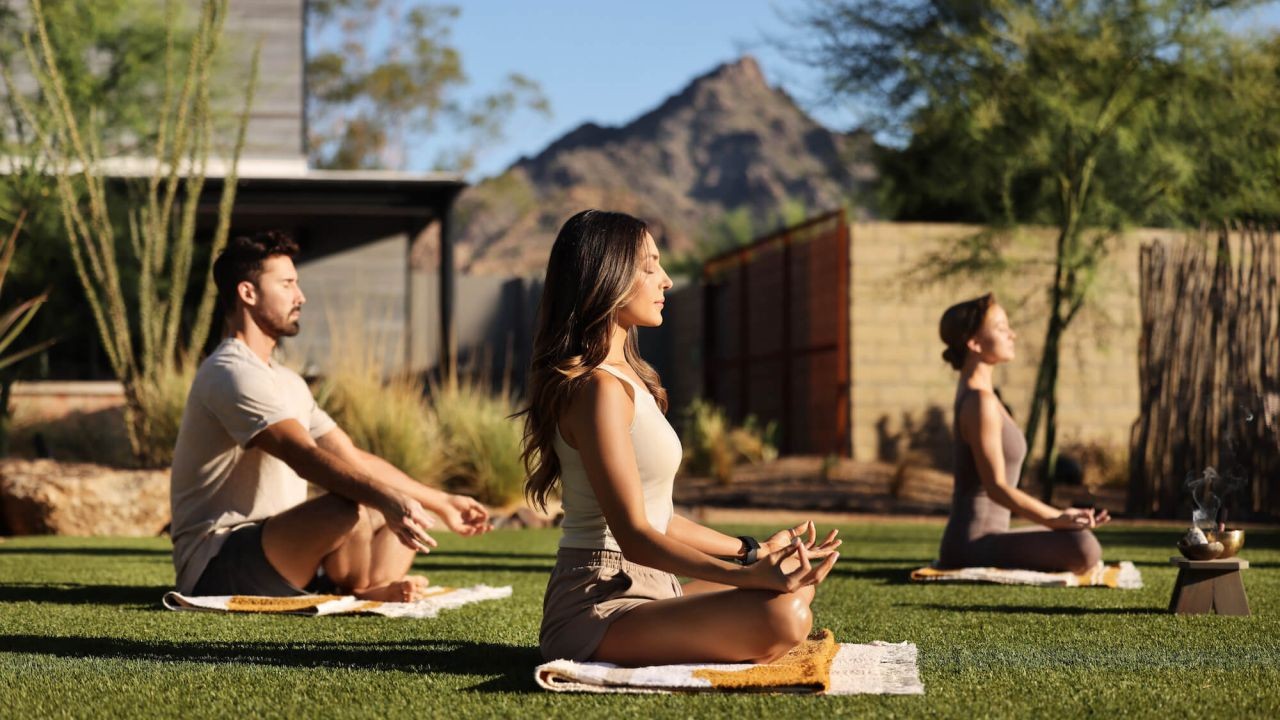
Action: The retreat launched a comprehensive video marketing campaign, highlighting its unique blend of yoga, organic meals, and breathtaking views of the Southern Alps. The videos featured guest testimonials and immersive visuals.
Result: Within a year, Aro Ha's international bookings increased by 35%, contributing an additional NZD 500,000 to its annual revenue. The retreat's social media following grew by 50%, enhancing its global brand presence.
Takeaway: This case underscores the importance of authentic storytelling and visual appeal in attracting global wellness tourists to New Zealand.
Common Myths & Mistakes
Myth vs. Reality
- Myth: "Wellness retreats are only for the wealthy." Reality: While premium options exist, many retreats offer packages for various budgets, expanding accessibility to a broader audience.
- Myth: "Videos don’t influence travel decisions." Reality: According to a 2023 report by Tourism New Zealand, 70% of travelers considered video content a critical factor in their decision-making process.
Biggest Mistakes to Avoid
- Ignoring Mobile Optimization: With 60% of video content being consumed on mobile devices, ensuring that videos are mobile-friendly is crucial.
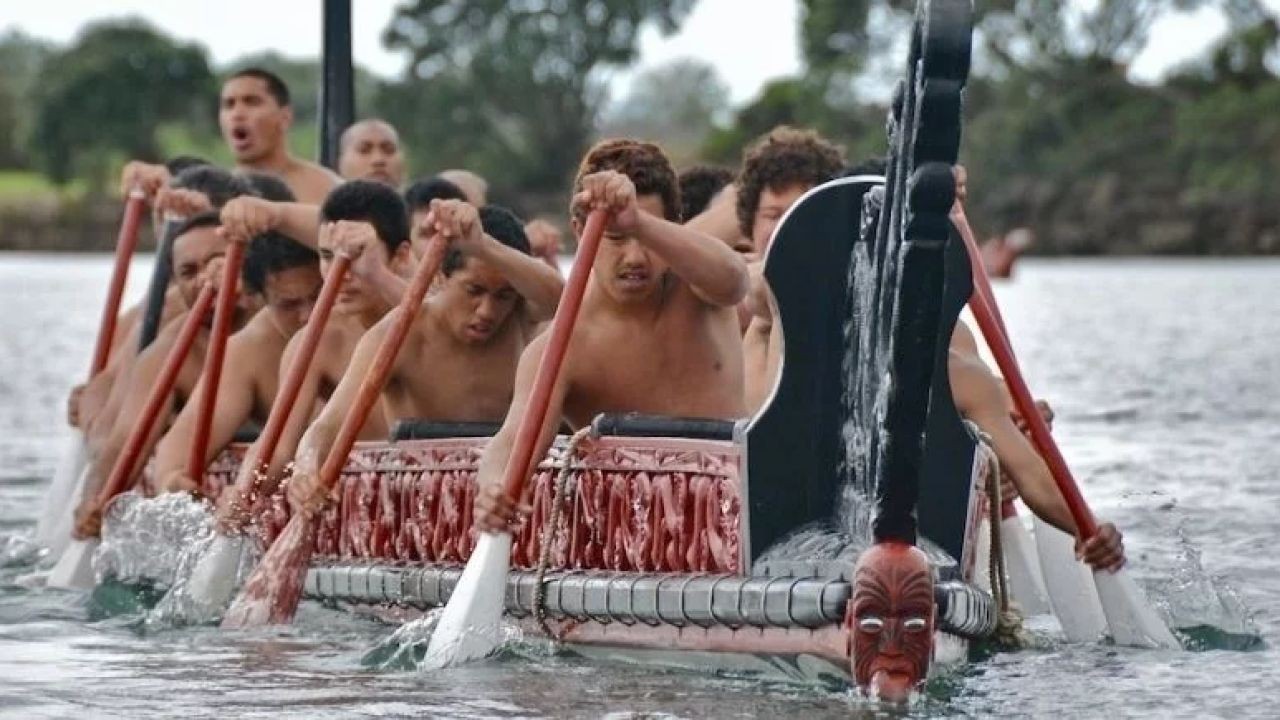
- Overlooking Cultural Nuances: Misrepresenting or underrepresenting the Maori culture can alienate a significant portion of the target audience. Incorporating local cultural elements respectfully can enhance authenticity.
Future Trends & Predictions
New Zealand’s wellness tourism is poised for further growth, with an expected increase of 20% in international wellness travelers by 2025, as per a report by the Reserve Bank of New Zealand. The integration of virtual reality (VR) and augmented reality (AR) in promotional videos is predicted to offer even more immersive experiences, further enticing global audiences.
Conclusion
New Zealand’s wellness retreat videos are a potent tool in the nation’s tourism arsenal, drawing international visitors through compelling storytelling and strategic marketing. As the wellness tourism industry continues to evolve, adopting innovative video strategies will be key to maintaining and enhancing New Zealand’s position as a leading global wellness destination. For healthcare consultants and industry stakeholders, leveraging these insights to craft compelling narratives can unlock new opportunities and drive significant growth.
Are you ready to capitalize on the wellness tourism trend? Share your thoughts and strategies in the comments below!
People Also Ask (FAQ)
- How does wellness tourism impact New Zealand's economy?Wellness tourism significantly boosts New Zealand's economy, contributing NZD 2.6 billion in 2022 (MBIE). This sector enhances job creation and supports local businesses.
- What are the biggest misconceptions about wellness tourism?A common myth is that wellness retreats are exclusive to the affluent. However, many retreats offer affordable packages, making them accessible to a wider audience.
Related Search Queries
- New Zealand wellness retreats
- Benefits of wellness tourism
- Wellness travel trends 2024
- How to market wellness retreats
- Impact of tourism on New Zealand
For the full context and strategies on Why Wellness Retreat Videos Attract International Visitors to NZ, see our main guide: Eco Tourism Videos Promote Sustainable Nz Travel.





















Hotel Rivel
17 days ago