



Introduction
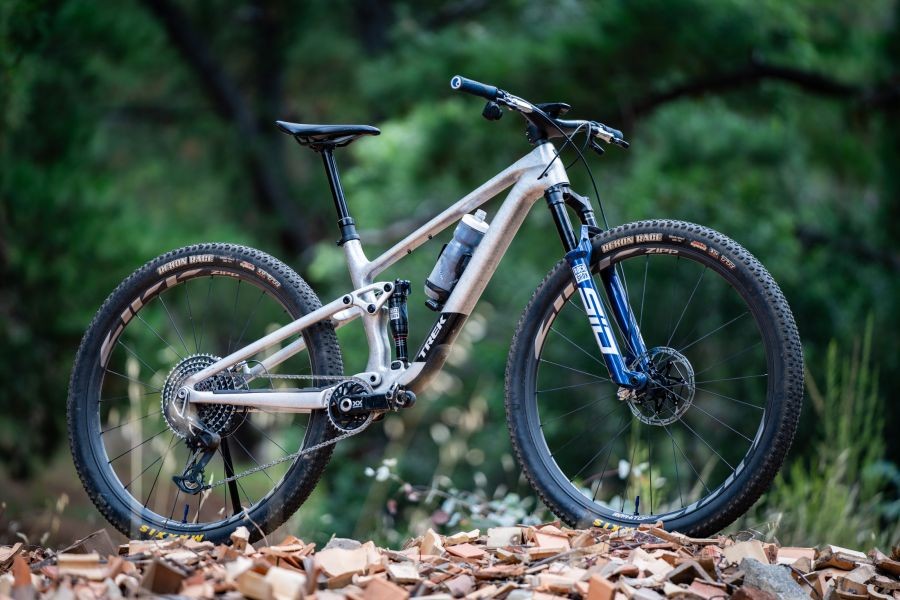
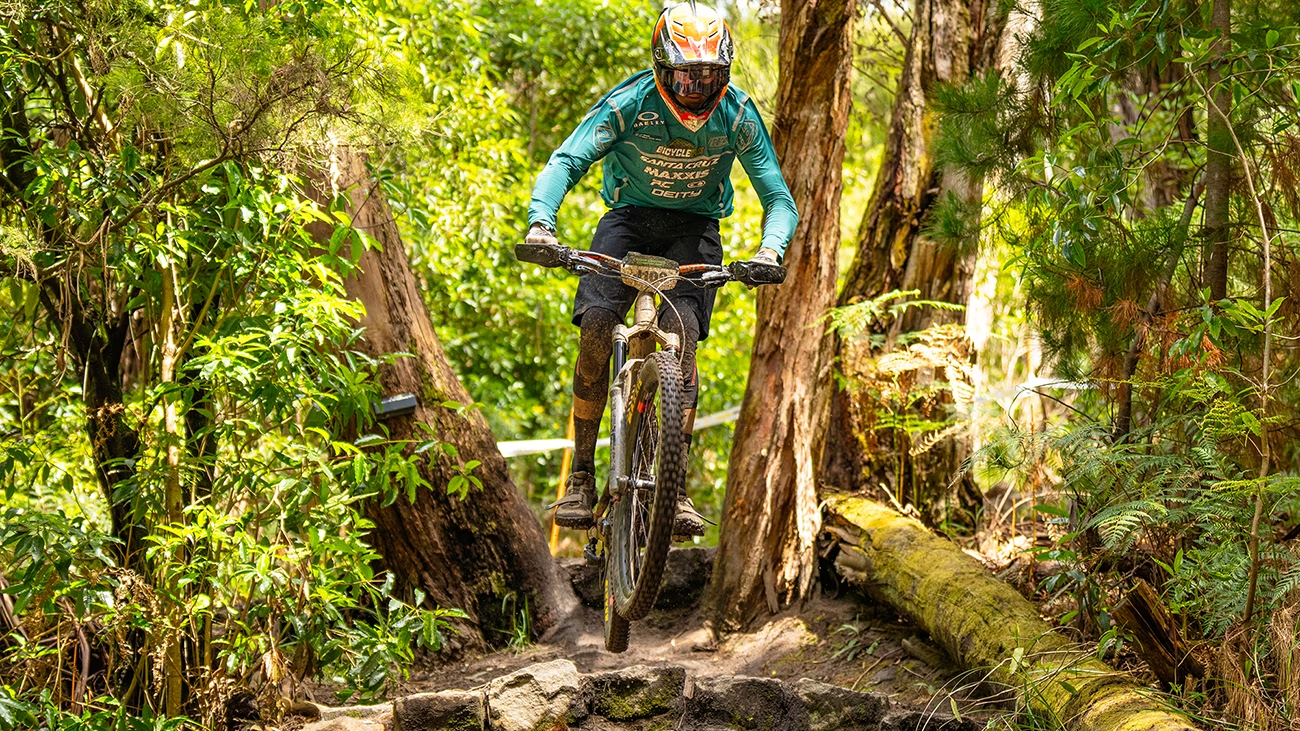
In the lush, verdant landscapes of Rotorua and Taupō, New Zealand, a unique blend of adventure and nature is capturing the attention of the global tourism industry. This isn't the typical story of picturesque landscapes or cultural attractions. Instead, it's about how mountain biking videos are becoming the unsung heroes in boosting local tourism. These videos are not just showcasing the beauty of these regions but are also driving a significant economic impact. As we delve deeper into this narrative, we'll explore how technology is intersecting with tourism to create a dynamic, engaging experience for both local and international audiences.
According to the Ministry of Business, Innovation and Employment (MBIE), tourism contributed NZD 41.9 billion to New Zealand’s economy in 2019, highlighting its crucial role in the country's financial landscape. However, the pandemic has shifted how tourism operates, with digital content playing a pivotal role in attracting visitors. Mountain biking videos are becoming a powerful tool in this digital strategy, offering immersive experiences that entice tourists to explore Rotorua and Taupō.
Join us as we navigate through the future trends, contrasting views, and expert insights surrounding this fascinating intersection of technology and tourism. What does this mean for New Zealand's economy and its local businesses? And how can Kiwi enterprises leverage this trend for sustained growth? Let's find out.
Future Forecast & Trends
As we look to the future, the integration of digital media in tourism marketing is only set to increase. The Global adventure tourism Market Report predicts a growth rate of 17.4% annually, with digital content playing a significant role in this expansion. For Rotorua and Taupō, this means mountain biking videos will not only enhance visibility but also influence travel decisions globally.
In New Zealand, the government has been actively supporting digital strategies in tourism through initiatives like the Tourism Digital Capability Programme, which aids businesses in adopting digital tools. This governmental backing, combined with the increasing accessibility of high-quality video production technology, positions mountain biking videos as a key driver in tourism growth.
Moreover, the trend of experiential travel is on the rise, with tourists seeking more engaging and authentic experiences. Mountain biking videos cater to this demand by providing a virtual taste of the adventure and excitement that awaits in Rotorua and Taupō. As more travelers seek these experiences, the regions stand to benefit significantly from increased visitor numbers and spending.
Debate & Contrasting Views
While the potential of mountain biking videos in promoting tourism is undeniable, there are contrasting views on its long-term efficacy. Proponents argue that these videos provide a cost-effective way to reach a global audience, offering a more engaging alternative to traditional advertising. By showcasing real-life experiences, they create a connection with potential visitors that static images or brochures simply cannot match.
Critics, however, caution against over-reliance on digital content. They argue that while videos can pique interest, they may not always translate into actual visits. Factors such as travel restrictions, economic conditions, and personal preferences still play a crucial role in travel decisions. Additionally, there is a concern that the focus on digital content might overshadow the need for maintaining and enhancing the physical experience in these regions.
Finding a middle ground involves balancing digital marketing efforts with on-the-ground improvements. Ensuring that the actual experience matches the digital portrayal is essential to converting virtual interest into real-world visits.
Expert Opinion & Thought Leadership
Eleanor Stewart, a sustainable tourism advocate, highlights the importance of integrating technology with sustainability. "Mountain biking videos offer a sustainable way to market Rotorua and Taupō, minimizing environmental impact while maximizing reach. However, it's crucial to ensure that the influx of tourists does not compromise the ecological integrity of these regions."
Industry experts also emphasize the role of partnerships in enhancing the effectiveness of these videos. Collaborations between local businesses, tourism boards, and digital content creators can lead to more cohesive and impactful marketing strategies. By leveraging the expertise of each stakeholder, Rotorua and Taupō can position themselves as leading adventure tourism destinations.
Real-World Case Studies
Case Study: Skyline Rotorua – Boosting Tourism with Digital Content
Problem: Skyline Rotorua, a popular adventure destination, faced declining visitor numbers due to the pandemic. Traditional marketing methods were proving insufficient in reaching a global audience.
Action: Skyline Rotorua partnered with local videographers to create high-quality mountain biking videos showcasing their trails and attractions. These videos were distributed across social media platforms, targeting adventure enthusiasts worldwide.
Result: Within six months, Skyline Rotorua experienced a 25% increase in international bookings, with a significant portion attributed to the reach and engagement generated by the videos.
Takeaway: This case study highlights the power of digital content in revitalizing tourism. By leveraging technology, businesses in Rotorua and Taupō can enhance their visibility and attract a broader audience.
Data-Driven Analysis
According to Stats NZ, domestic tourism spending in New Zealand increased by 12% in 2022, driven by a surge in adventure tourism activities. This aligns with the global trend of experiential travel, where tourists are seeking more immersive and authentic experiences.
Furthermore, a report from the Reserve Bank of NZ indicates that regions with diversified tourism offerings, such as Rotorua and Taupō, tend to recover more quickly from economic downturns. This resilience underscores the importance of innovative marketing strategies, such as mountain biking videos, in sustaining tourism growth.
Common Myths & Mistakes
- Myth: "Digital content alone can drive tourism growth." Reality: While impactful, digital content must be complemented by on-the-ground improvements to ensure visitor satisfaction and repeat visits.
- Myth: "All tourists prefer traditional sightseeing." Reality: The rise of adventure tourism highlights a growing demand for experiential travel, with mountain biking being a popular choice.
- Myth: "High-quality video production is too costly for small businesses." Reality: Advances in technology have made video production more accessible, with many affordable options available for businesses of all sizes.
Biggest Mistakes to Avoid
- Ignoring the importance of video quality. Low-quality videos can negatively impact brand perception and fail to engage the target audience.
- Overlooking the need for strategic distribution. Simply creating content is not enough; businesses must strategically distribute it across platforms to maximize reach.
- Neglecting the physical experience. Focusing solely on digital marketing can lead to a disconnect if the actual experience does not match the portrayal in videos.
Future Trends & Predictions
Looking ahead, the role of digital content in tourism is set to expand. By 2028, it's anticipated that over 70% of adventure tourism marketing will be conducted through digital platforms, with video content leading the charge. New Zealand businesses that adapt to this trend will likely see substantial growth in visitor numbers and economic contributions.
Additionally, the integration of immersive technologies such as virtual reality (VR) and augmented reality (AR) in tourism marketing is expected to enhance the appeal of Rotorua and Taupō, providing potential visitors with a taste of the adventure that awaits.
Conclusion
As mountain biking videos continue to transform the tourism landscape in Rotorua and Taupō, businesses and stakeholders have a unique opportunity to harness this trend for sustained growth. By balancing digital marketing with on-the-ground improvements, these regions can position themselves as premier adventure tourism destinations.
What's your take on the role of digital content in tourism? Share your insights below and join the conversation!
People Also Ask (FAQ)
- How do mountain biking videos impact New Zealand tourism?Mountain biking videos enhance visibility and engagement, driving visitor interest and economic contributions to regions like Rotorua and Taupō.
- What are the best strategies for implementing digital tourism content?Experts recommend collaborating with local videographers, leveraging social media platforms, and ensuring high-quality production for maximum impact.
- What upcoming changes in New Zealand could affect tourism marketing?By 2026, policy updates in digital advertising and sustainable tourism practices could reshape how businesses attract visitors, emphasizing the importance of innovative strategies like video marketing.
Related Search Queries
- Rotorua mountain biking
- Taupō tourism strategies
- adventure tourism trends New Zealand
- Digital marketing in tourism
- New Zealand tourism statistics 2024
- VR and AR in tourism
- Economic impact of tourism in NZ
- Future of adventure tourism
- Digital content creation for tourism
- Tourism growth strategies NZ
For the full context and strategies on How Mountain Biking Videos Showcase Rotorua and Taupō Tourism, see our main guide: How Tourism Videos Boost Bookings Nz Operators.