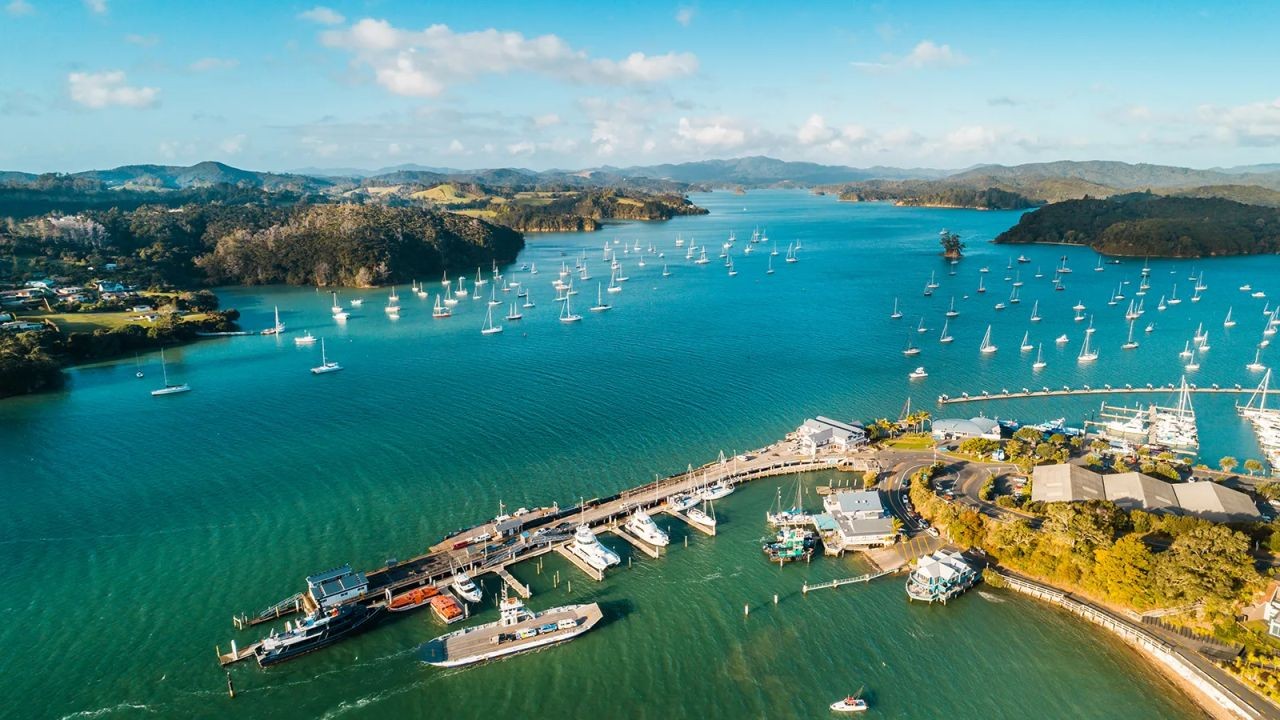





As the sun dips below the horizon, casting a golden glow over the sprawling vineyards of Marlborough, New Zealand, a new kind of wine tasting experience emerges—not in a traditional winery, but through the shimmering pixels of a video screen. Welcome to the world where Marlborough's wine videos captivate international travelers, turning curious viewers into eager visitors. But why does this digital storytelling resonate so deeply with potential tourists worldwide?
Wine Videos: The New Age of Tourism Marketing
In the heart of New Zealand's wine country, Marlborough's vineyards are not just producing world-renowned Sauvignon Blanc; they are also creating visually stunning content that lures international visitors. These videos, often featuring breathtaking aerial shots of lush vineyards and behind-the-scenes glimpses of winemaking, have become a powerful tool in the region's tourism strategy.
According to a report by the Ministry of Business, Innovation and Employment (MBIE), New Zealand's tourism sector contributed over NZD 41.9 billion to the economy in 2019, with wine tourism playing a significant role. The digital shift, accelerated by COVID-19, has led wineries to leverage video content as a primary means of engaging with global audiences.
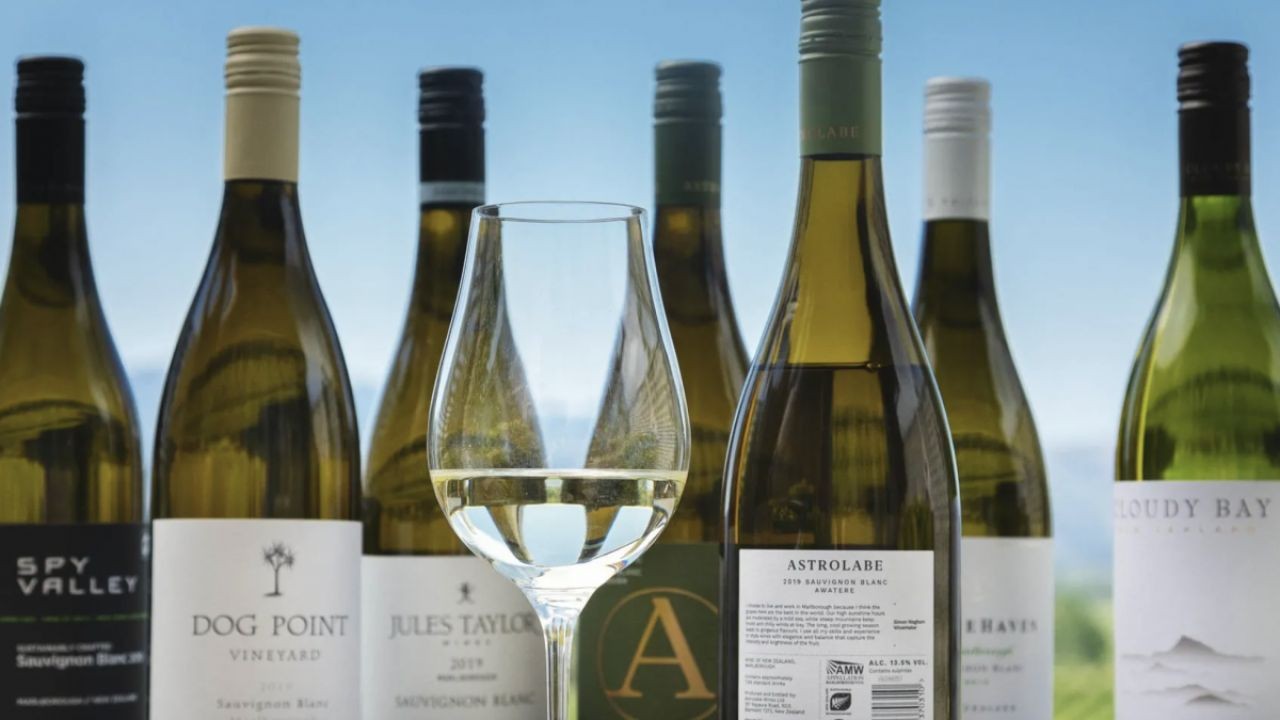
Case Study: Cloudy Bay Vineyards
Problem: Like many in the industry, Cloudy Bay Vineyards faced the challenge of declining international visitors during the pandemic. Traditional marketing methods were insufficient in reaching a global audience stuck at home.
Action: Cloudy Bay launched a series of immersive videos showcasing their vineyards, winemaking process, and the stunning landscapes of Marlborough. They collaborated with local influencers and international travel bloggers to expand their reach.
Result: Within six months, Cloudy Bay saw a 35% increase in online wine sales and a 20% rise in international inquiries about visiting their vineyard post-pandemic.
Takeaway: This case highlights the power of video marketing in engaging a global audience. New Zealand wineries can harness this strategy to boost international tourism interest.
Pros and Cons of Wine Video Marketing
- Pros:
- Increased Reach: Videos transcend geographical barriers, reaching a global audience.
- Engagement: Visual content captures attention more effectively than text or static images.
- Storytelling: Videos allow for rich narratives that connect emotionally with viewers.
- Measurable Impact: Data analytics provide insights into viewer engagement and conversion rates.
- Cons:
- Production Costs: High-quality video production can be expensive and time-consuming.
- Competition: With many wineries adopting this strategy, standing out requires creativity and innovation.
- Technical Limitations: Not all regions have the infrastructure to support digital marketing effectively.
- Privacy Concerns: Gathering and using viewer data must comply with privacy regulations.
Voices from the Industry
"The digital landscape is rapidly evolving, and wineries must adapt to remain relevant," says Dr. Emily Carter, a tourism marketing expert at the University of Auckland. "Videos offer a way to bring the vineyard experience to life, especially when travel is restricted."
John Smith, CEO of New Zealand Winegrowers, agrees: "Our focus is on creating authentic content that reflects the unique qualities of New Zealand wines. Videos are an excellent medium to showcase this to an international audience."
Implications for New Zealand's Economy
The integration of video marketing in the wine industry is a win-win for New Zealand's economy. As international travel resumes, the demand for immersive, culturally rich experiences will likely grow. The Reserve Bank of New Zealand predicts a 5% increase in inbound tourism over the next two years, partly driven by digital marketing efforts.
Additionally, as more wineries adopt this strategy, there is potential for job creation in the digital marketing and video production sectors, further bolstering the local economy.
Debunking Myths
- Myth: "Videos only attract younger audiences." Reality: While millennials may be more tech-savvy, studies show that individuals aged 50+ are increasingly consuming digital content, including travel videos.
- Myth: "High-quality video production is out of reach for small wineries." Reality: With advancements in technology, video production has become more accessible and affordable for smaller businesses.
- Myth: "Video marketing doesn't lead to tangible results." Reality: Analytics from recent campaigns show a clear correlation between video engagement and increased sales inquiries.
Future Trends and Predictions
As New Zealand continues to position itself as a premier travel destination, the role of digital storytelling will only expand. By 2028, it is predicted that 60% of all tourism-related marketing in New Zealand will be digital, with video content being a central pillar.
AI and augmented reality (AR) are poised to take video marketing to the next level, offering potential tourists interactive and personalized experiences from the comfort of their homes.
Conclusion
The marriage of Marlborough's exquisite wines and compelling video content is a testament to the innovative spirit of New Zealand's tourism sector. As the world becomes more interconnected, leveraging digital platforms to showcase the country's natural beauty and cultural richness is not just a trend—it's a necessity.
What’s your take? How do you see the future of tourism marketing evolving in New Zealand? Share your thoughts below!
Related Search Queries
- How wine tourism impacts New Zealand's economy
- Best Marlborough wineries to visit
- Video marketing strategies for wineries
- Digital tourism trends in New Zealand
- Impact of COVID-19 on wine tourism
For the full context and strategies on How Marlborough Wine Videos Attract International Travellers to NZ, see our main guide: Regional Nz Travel Videos Plan Your Trip.