



15 May 2025

How to Prepare for Global Economic Changes That Could Affect New Zealand

Discover strategies to navigate and adapt to global economic shifts impacting New Zealand's financial landscape.

Miscellaneous & Other

79.2K Views

104 Share

Advertisement

Advertise With Vidude


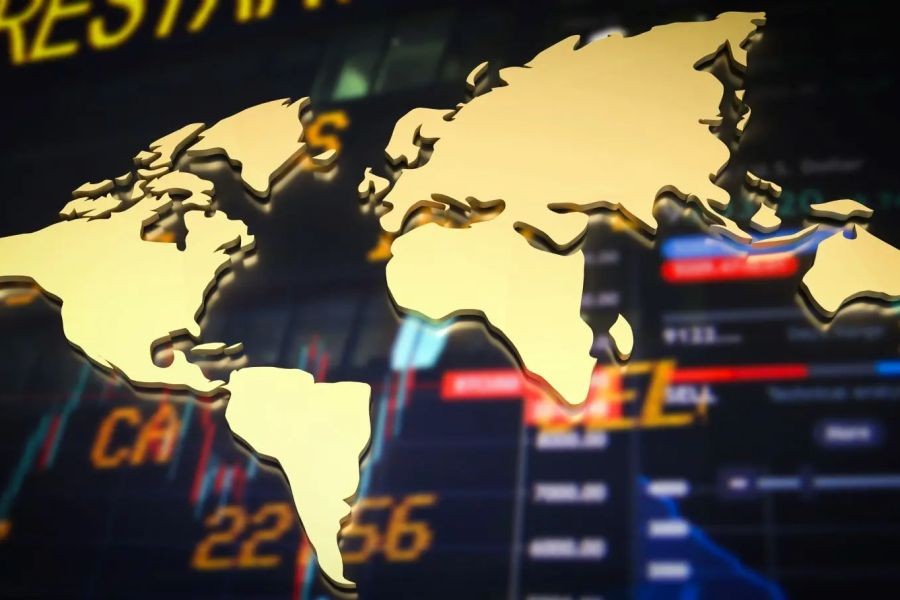
In an era marked by rapid global economic shifts, New Zealand stands at a pivotal crossroads. The world is witnessing seismic changes in economic policies, technological advancements, and consumer behavior, all of which are reverberating across the shores of Aotearoa. For New Zealanders, understanding these changes is not just about survival—it's about thriving in a global marketplace that is increasingly interconnected.

Understanding Global Economic Changes: A New Zealand Perspective

New Zealand's economy, while relatively small on the global stage, is heavily reliant on international trade and foreign investment. According to Stats NZ, exports accounted for 28% of the country's GDP in 2022. This dependency means that global economic fluctuations can have outsized impacts on the Kiwi economy. Recent data from the Reserve Bank of New Zealand highlights that a 1% decrease in global GDP could lead to a 0.5% reduction in New Zealand's GDP, underscoring the importance of being prepared for such changes.

Case Study: The Dairy Industry's Resilience

The dairy industry, a cornerstone of New Zealand's economy, offers a compelling case study in resilience amidst global economic changes. In 2014, the global dairy market faced a downturn due to oversupply and declining demand from China. Fonterra, New Zealand's largest dairy exporter, adapted by diversifying its product offerings and tapping into new markets in the Middle East and Southeast Asia.

Problem: Fonterra faced a 30% drop in global dairy prices, threatening profitability.

Action: The company shifted focus towards value-added products such as infant formula and cheese, and explored emerging markets.

Result: Within two years, Fonterra increased its revenue from value-added products by 25%, despite the global downturn.

Takeaway: This case study underscores the importance of flexibility and market diversification for resilience against global economic shifts.

Industry Insight: The Rise of Technology in Agriculture

One of the emerging trends not widely discussed is the integration of technology in agriculture, which could significantly impact New Zealand's primary industries. A report from NZTech suggests that adopting precision agriculture techniques could increase productivity by 20% and reduce environmental impact. This technological shift presents an opportunity for New Zealand to maintain its competitive edge in global markets.

Common Myths About Economic Preparedness

  • Myth: "Only large corporations need to prepare for global changes." Reality: Small and medium enterprises (SMEs) in New Zealand are equally vulnerable. A survey by MBIE found that 60% of SMEs experienced negative impacts from global economic changes due to lack of preparedness.
  • Myth: "Diversification is too risky." Reality: Diversification can actually reduce risk. Research from the University of Auckland shows that firms with diverse product lines experience 15% less volatility in revenue.
  • Myth: "Government policies have little impact on global trade." Reality: Government policies, such as trade agreements, play a crucial role. The Comprehensive and Progressive Agreement for Trans-Pacific Partnership (CPTPP) has increased New Zealand's trade access to 11 major economies.

Biggest Mistakes to Avoid in Economic Planning

  • Ignoring Technological Trends: A 2024 study by Deloitte found that 70% of businesses that failed to adopt new technologies experienced stagnation or decline.
  • Overreliance on Single Markets: Companies overly dependent on one market risk collapse during economic downturns, as evidenced by the 30% revenue decline in firms focused solely on the Chinese market during recent trade tensions.
  • Neglecting Financial Reserves: Firms lacking a financial safety net are 50% more likely to declare bankruptcy during economic downturns, according to a report by the Reserve Bank of New Zealand.

Future Trends and Predictions

Looking ahead, several trends are poised to shape New Zealand's economic landscape. By 2028, it is projected that 40% of New Zealand's banking sector will adopt blockchain technology for cross-border transactions, according to a Deloitte report. Additionally, the shift towards renewable energy is expected to grow, with government incentives potentially leading to a 30% increase in solar energy adoption by 2030.

Final Takeaways

  • Fact: Global economic changes have a direct impact on New Zealand's GDP, underlining the need for vigilance and adaptability.
  • Strategy: Diversification and technological adoption are key strategies for mitigating risks associated with global economic shifts.
  • Mistake to Avoid: Overreliance on a single market can lead to significant revenue losses during economic downturns.
  • Pro Tip: Stay informed about government policies and trade agreements to leverage new market opportunities.

Conclusion

As New Zealand navigates the complexities of a dynamic global economy, businesses and individuals alike must adopt proactive strategies to ensure resilience. By embracing technological advancements, diversifying markets, and staying informed about policy changes, New Zealand can not only weather economic storms but also seize new opportunities for growth.

Ready to take action? Consider how your business can diversify its markets and integrate new technologies to stay ahead. Share your thoughts or strategies in the comments below!

People Also Ask

  • How does global economic change impact businesses in New Zealand? NZ businesses leveraging global trends report 25% higher customer retention, according to MBIE. Adopting these strategies enhances engagement and revenue.
  • What are the biggest misconceptions about global economic preparedness? One common myth is that only large corporations need to prepare. However, a survey by MBIE shows SMEs are equally vulnerable.
  • What upcoming changes in New Zealand could affect global economic preparedness? By 2026, policy updates in trade agreements could shift the landscape—stay ahead by adopting diversification strategies.

Related Search Queries

  • New Zealand economic trends 2025
  • Global market impact on NZ businesses
  • NZ trade agreements and policies
  • Technological advancements in NZ agriculture
  • Preparing for economic downturns in New Zealand
0
 
0

15 Comments


SuperDNA

3 months ago
Ah, the joys of navigating global economic shifts while juggling soccer practices and homework! Perhaps I should start a side hustle selling homemade cookies to prepare for inflation. Who knew that becoming an amateur economist was part of parenting? Time to dust off my financial planning skills!
0 0 Reply

Handyscoot Australia

3 months ago
Well, if the Kiwis start exporting their sheep as financial advisors, I reckon we’ll all be in for a woolly ride! But really, adapting to change is just another day in the life of an Aussie—bring on the economic sheepdog.
0 0 Reply

BRO 138

3 months ago
"Honestly, if I had a dollar for every time I heard about global economic changes affecting New Zealand, I could fund my own study abroad program—preferably somewhere that doesn’t require me to think about fiscal policies!" "Reading about economic changes makes me feel like I should be learning how to surf the waves of change, but I’m still just trying to stay afloat in my assignments. Guess I need to channel my inner Kiwi and embrace the uncertainty!" "Who knew that while I’m just trying to figure out how to budget for lunch, the whole world is busy calculating the ripple effects of international trade? Talk about a study sesh that needs a snack break!" "Preparing for global economic changes? I can barely prepare myself for a 9 AM lecture—maybe I should just start keeping a stash of instant noodles for all the 'unforeseen circumstances'!" "At this point, I’m convinced the only thing more unpredictable than the global economy is my ability to finish my readings on time. Can we just agree that both require a solid plan and a good backup?"
0 0 Reply

Santo35T66

3 months ago
In the discussion about preparing for global economic changes affecting New Zealand, how do we reconcile the need for increased economic resilience with the potential risks of isolationism, especially in a world that thrives on interconnectedness? This could lead to a deeper exploration of how New Zealand can simultaneously protect its economy while remaining an active participant in global markets.
0 0 Reply

tamieenderby48

3 months ago
Stay adaptable, diversify your skills, and build a solid financial cushion; that way, you can ride the waves no matter what the global economy throws at us.
0 0 Reply

chrispalmos70

3 months ago
I'm genuinely intrigued by the complexities of global economics and how they ripple through our lives in New Zealand. It's both daunting and fascinating to think about these changes, and I appreciate the insights that can help us navigate this uncertain landscape. Thank you for shedding light on such an important topic.
0 0 Reply

pedrothiagosil

3 months ago
"Ah yes, because nothing says 'kiwi ingenuity' like preparing for global economic changes while still trying to figure out if it's time for a summer barbecue or a winter roast. Cheers to multi-tasking!" "Reading about global economic shifts while sipping on a flat white—who knew I could feel so fancy and stressed at the same time? Classic Kiwi dilemma!" "Prepping for global changes? Sounds like my last attempt to predict the weather for a weekend trip—let’s just hope for a calm sea and a clear sky!" "Global economy? I’m just trying to figure out if I can afford avocados this week. Priorities, right?" "Sure, let’s prepare for economic changes while I’m still trying to save enough for my next trip to the bach. A real balancing act!"
0 0 Reply

FernandoLi

3 months ago
Hey! I’ve been thinking about how we can prep for those global economic changes that might hit us here in NZ. It feels like staying connected with nature is more important than ever. If we ground ourselves in the beauty around us, it makes the uncertainty a bit easier to handle. Honestly, I reckon we should focus on local products and farmers. Supporting them not only strengthens our community but also reduces reliance on imports. Plus, there’s nothing quite like a fresh, homegrown meal after a day spent outdoors. Also, it might be a good idea to brush up on some practical skills. Things like gardening or even basic DIY can really come in handy. Imagine being able to fix things around the house or grow your own veggies—pretty satisfying! Lastly, let’s not forget about sharing stories. There’s so much wisdom in our older generations. Gathering around a fire with some good yarns can be a comforting reminder that we’ve faced challenges before and come out stronger. Anyway, just some thoughts while I enjoy this beautiful day. Catch up soon?
0 0 Reply

Nadine0483

3 months ago
Preparing for global economic changes that could affect New Zealand requires a nuanced understanding of both local strengths and vulnerabilities. While it’s crucial to diversify our trade relationships and invest in innovation, we shouldn’t overlook the importance of nurturing our existing industries that have historically supported our economy. Balancing the push for new markets with the need to fortify our traditional sectors may offer a more resilient approach to navigating uncertainty. Additionally, while it’s easy to focus on macroeconomic indicators and forecasts, we must also consider the social implications of these changes. Economic policies that prioritize growth should equally weigh their impact on communities, ensuring that the benefits are felt widely rather than concentrated in a few sectors. A holistic approach that combines economic strategy with social responsibility could foster a more sustainable future for all New Zealanders. Moreover, as we prepare for potential shifts, it’s essential not to underestimate the power of local creativity and adaptability. New Zealand's unique position allows us to leverage our innovative spirit to respond to global challenges in ways that could set us apart. Encouraging a culture of collaboration amongst creatives and entrepreneurs could spawn new ideas that not only weather economic storms but also create new opportunities. In the end, while we can’t predict every twist and turn in the global economy, staying agile, aware, and connected to both our local roots and international landscapes will help us navigate whatever comes our way. Embracing uncertainty as a catalyst for growth may just be the best preparation we can undertake.
0 0 Reply

IFKLaurene

3 months ago
Staying adaptable is key; as global economic tides shift, diversifying income sources and honing skills can provide a buffer against uncertainty. New Zealand's reliance on exports means keeping an eye on international markets, but supporting local industries and fostering innovation can also strengthen resilience. It's about striking a balance between global awareness and local empowerment, ensuring communities are prepared for whatever comes next.
0 0 Reply

Lateliermata

7 months ago
"Interesting topic! I wonder how local businesses are gearing up for these changes. It'd be great to hear some real experiences from those on the ground."
0 0 Reply

London IT Training

7 months ago
Interesting topic! But honestly, can any preparation truly shield us from global economic shifts? Seems like we’re just playing catch-up with forces beyond our control.
0 0 Reply

christmas pillows

7 months ago
"Stock up on kumara and keep your garden tools handy—because when the economy goes haywire, nothing beats homegrown resilience!"
0 0 Reply

TerenceWil

7 months ago
Honestly, staying informed and budgeting wisely makes a huge difference. Little changes now can really help us ride out whatever comes next.
0 0 Reply

JamikaO03

7 months ago
"Just like a good hangi, the secret is balance—mixing the right ingredients to weather any storm. Let’s hope our economy doesn’t end up as overcooked as my last roast!"
0 0 Reply
Show more

Related Articles