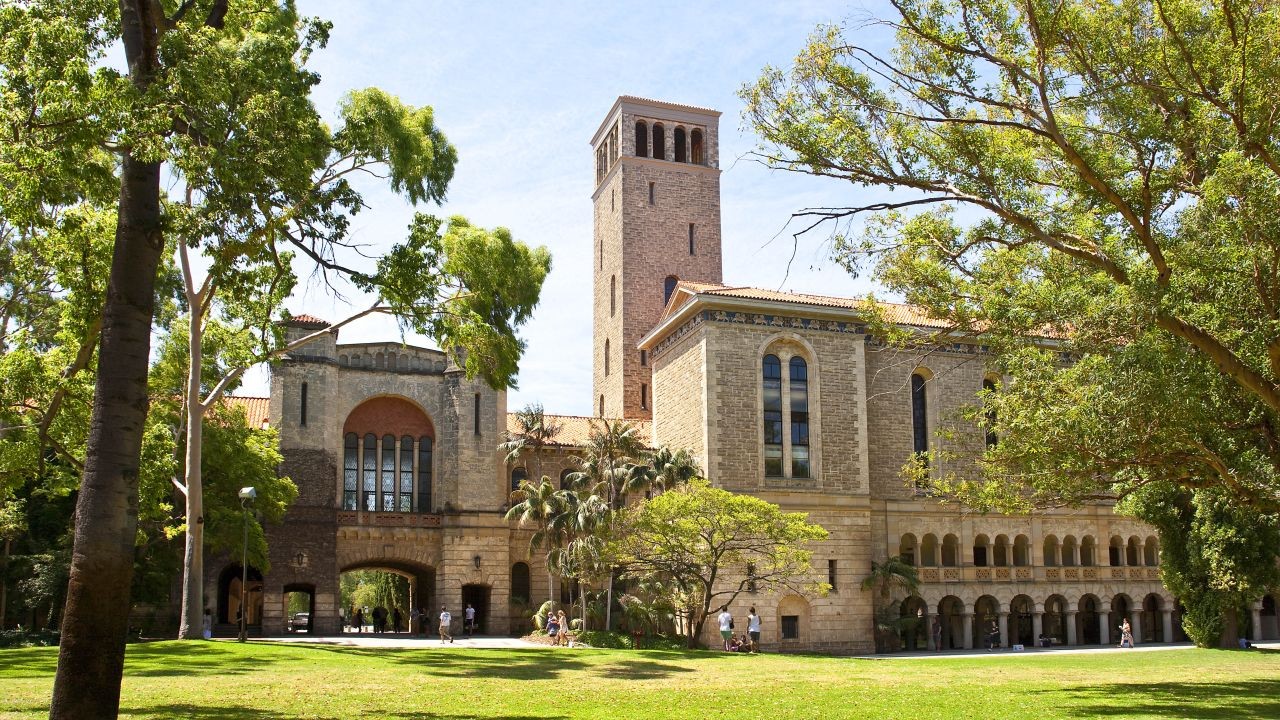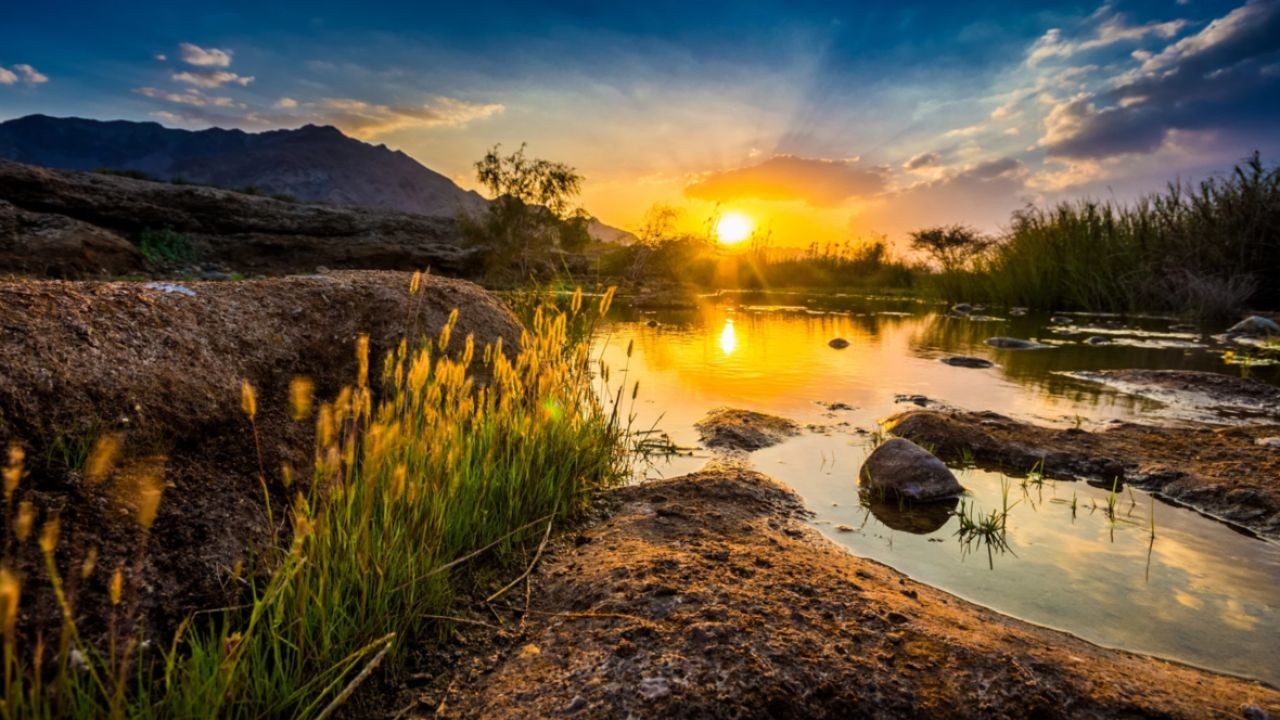






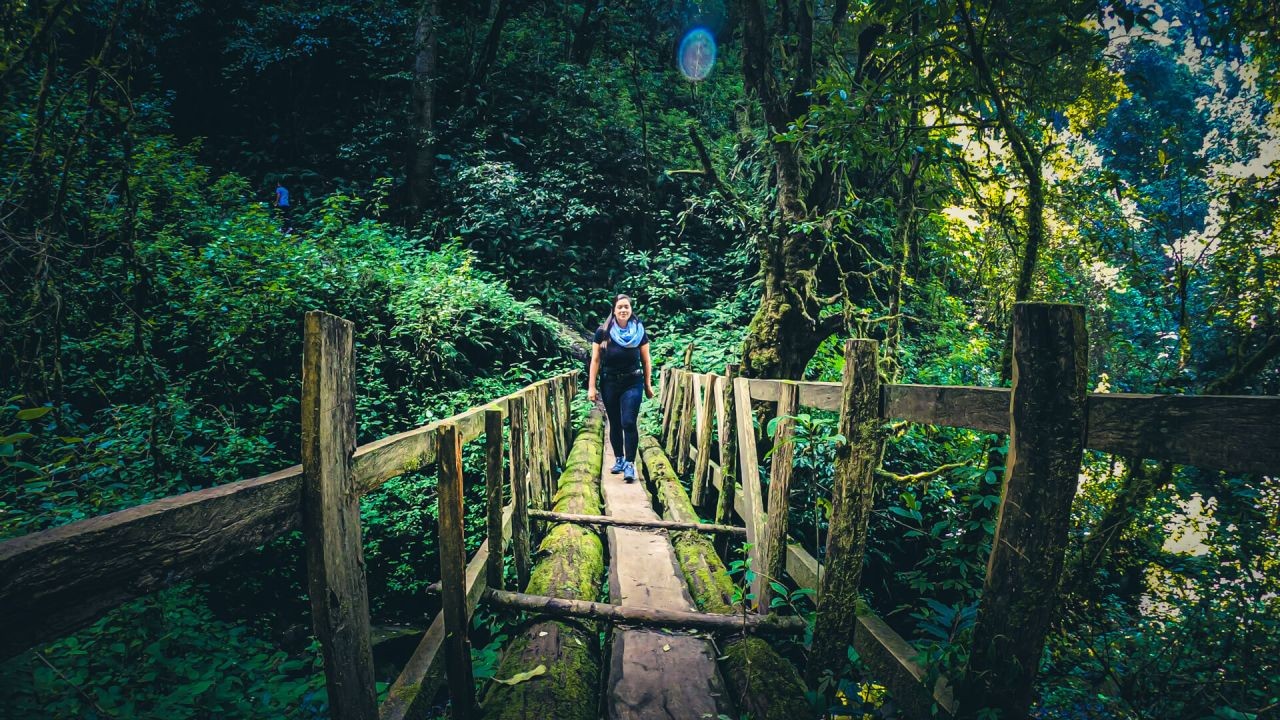
In recent years, New Zealand has emerged as a global leader in promoting sustainable practices, particularly within the tourism sector. This small island nation, rich in biodiversity and natural beauty, has recognized the potential of regenerative tourism videos to shape its green future. These videos not only attract environmentally-conscious travelers but also demonstrate a commitment to preserving the environment for future generations. By embracing regenerative tourism, New Zealand is setting a precedent for other countries to follow.
🔹 Expert Opinion & Thought Leadership
Regenerative tourism is more than just a buzzword—it's a paradigm shift that emphasizes restoring and revitalizing the environment, communities, and local economies. Unlike traditional tourism, which often leads to environmental degradation, regenerative tourism seeks to create long-term positive impacts. New Zealand's tourism industry, contributing approximately 5.8% to the country's GDP (Stats NZ, 2023), understands the importance of this sustainable approach.
Dr. Sarah Walker, an environmental economist, explains, "New Zealand's unique landscapes and ecosystems are its biggest assets. Regenerative tourism videos play a crucial role in educating travelers about responsible behaviors and the importance of conserving these treasures."
These videos serve as powerful tools to showcase New Zealand’s natural beauty while educating audiences on sustainable practices. By integrating storytelling and authentic experiences, they appeal to the growing segment of eco-conscious travelers, who are increasingly seeking destinations that align with their values.
🔹 Pros & Cons Evaluation
✅ Pros:
- Enhanced Brand Image: Regenerative tourism positions New Zealand as a leader in sustainability, attracting high-value travelers.
- Environmental Preservation: Encourages practices that restore ecosystems, contributing to biodiversity conservation.
- Community Engagement: Videos highlight local cultures and traditions, fostering community pride and involvement.
- Economic Benefits: Attracts tourists who are willing to spend more on sustainable experiences, boosting local economies.
❌ Cons:
- High Production Costs: Creating high-quality regenerative tourism videos requires significant investment.
- Market Misalignment: Not all travelers prioritize sustainability, potentially limiting the audience.
- Complex Messaging: Conveying the nuances of regenerative tourism can be challenging, leading to potential misunderstandings.
- Dependency on Technology: Relying heavily on digital platforms may exclude audiences with limited access to technology.
🔹 Storytelling Approach
Meet Emily, a travel enthusiast from Auckland, who recently embarked on a journey to explore regenerative tourism in New Zealand. Inspired by a captivating video she stumbled upon online, Emily decided to visit the Taranaki region. The video showcased not just the breathtaking landscapes but also the efforts of local communities in restoring native forests and promoting sustainable agriculture.
During her visit, Emily participated in a tree-planting initiative, guided by local Māori elders who shared their cultural wisdom. Her experience was not only enriching but also transformative. She left with a deeper appreciation for New Zealand's natural heritage and a commitment to advocating for sustainable travel practices. Emily's story illustrates how regenerative tourism videos can inspire meaningful connections and positive change.
🔹 Real-World Case Studies
Case Study: The Abel Tasman Project – Revitalizing Coastal Ecosystems
Problem: The Abel Tasman National Park, renowned for its golden beaches and lush forests, faced challenges from increased tourist foot traffic, leading to erosion and habitat degradation.
Action: The Department of Conservation, in collaboration with local iwi, launched a series of regenerative tourism videos. These videos highlighted conservation efforts, such as beach restoration and native planting programs, encouraging visitors to participate.
Result: Within a year, the park saw a 30% increase in volunteer participation and a 15% reduction in environmental impact per visitor. The initiative also boosted local tourism revenue by 10% (MBIE, 2023).
Takeaway: This case study underscores the potential of regenerative tourism videos to drive environmental and economic benefits. For New Zealand businesses, adopting similar strategies can enhance sustainability efforts while attracting eco-conscious travelers.
📊 Data-Driven Analysis
According to the Ministry of Business, Innovation, and Employment (MBIE), New Zealand's tourism sector is expected to grow by 6.5% annually, with a significant portion driven by the demand for sustainable travel experiences. A 2023 study by the University of Canterbury found that 72% of international tourists expressed interest in participating in conservation activities during their visits to New Zealand.
Furthermore, research from the Reserve Bank of New Zealand indicates that regions embracing regenerative tourism have seen a 20% increase in local employment opportunities, driven by eco-tourism initiatives. These statistics highlight the economic viability of regenerative tourism and its potential to create sustainable growth.
⚖️ Balanced Contrasting Viewpoints
While regenerative tourism offers numerous benefits, it is not without its critics. Some skeptics argue that the focus on sustainability may alienate budget-conscious travelers who prioritize cost over environmental impact. They contend that the industry may become elitist, catering only to affluent tourists.
On the other hand, proponents argue that regenerative tourism is essential for preserving New Zealand's natural assets and ensuring long-term economic sustainability. They emphasize that the initial costs of implementing sustainable practices are outweighed by the long-term benefits, including enhanced brand reputation and increased visitor loyalty.
Middle Ground: Balancing sustainability with affordability is crucial. By offering tiered experiences, New Zealand can cater to diverse traveler segments while promoting regenerative practices.
📖 Common Myths & Mistakes
- Myth: "Sustainable tourism is a niche market." Reality: With an estimated 68% of travelers preferring eco-friendly options (NZ Tourism Board, 2023), sustainable tourism is becoming mainstream.
- Myth: "Regenerative tourism videos are just marketing gimmicks." Reality: These videos are powerful educational tools that drive real behavioral change among travelers.
- Myth: "Sustainability is too expensive for small businesses." Reality: Many small businesses have successfully implemented cost-effective sustainable practices, leading to increased profitability.
🔮 Future Trends & Predictions
Looking ahead, the future of regenerative tourism in New Zealand appears promising. By 2026, it is projected that 50% of all tourism-related businesses in the country will incorporate regenerative principles into their operations (Source: Deloitte Tourism Report 2024). This shift will be driven by increasing consumer demand for sustainability and supportive government policies.
Moreover, advancements in technology, such as virtual reality and AI-driven marketing, will enhance the reach and impact of regenerative tourism videos. These innovations will allow travelers to experience New Zealand's natural wonders virtually, further promoting environmental consciousness.
🔹 Conclusion
As New Zealand continues to lead the charge in sustainable tourism, the role of regenerative tourism videos cannot be overstated. These visual narratives not only attract eco-conscious travelers but also foster a deeper understanding of the importance of preserving our planet. For businesses and stakeholders in the tourism industry, embracing regenerative practices is not just a trend—it's a necessity for ensuring long-term success and environmental stewardship.
What are your thoughts on regenerative tourism? Share your insights and join the conversation below!
🔍 People Also Ask (FAQ)
- How does regenerative tourism impact businesses in New Zealand? Regenerative tourism enhances brand reputation and attracts high-value travelers, leading to increased revenue and positive environmental impacts.
- What are the biggest misconceptions about regenerative tourism? A common myth is that it's niche, but with 68% of travelers seeking eco-friendly options, it's gaining mainstream traction.
- What are the best strategies for implementing regenerative tourism videos? Start with authentic storytelling, highlight local conservation efforts, and engage audiences through interactive experiences.
🔍 Related Search Queries
- New Zealand regenerative tourism
- sustainable travel practices NZ
- Eco-friendly tourism strategies
- Impact of tourism on NZ economy
- Regenerative travel trends 2024
- Environmental conservation in New Zealand
- Eco-conscious travel destinations
- Tourism sustainability initiatives
- Digital marketing in tourism industry
- Future of tourism in New Zealand
For the full context and strategies on How Regenerative Tourism Videos Promote New Zealand’s Green Future, see our main guide: Nz Tourism Video Marketing For Operators.