






For the seasoned traveler, the world is a tapestry of interconnected systems. We understand that a volcanic eruption in Iceland doesn't just disrupt airspace; it recalibrates global supply chains, tourism flows, and local economies for years. In this same vein, to truly comprehend the landscape of a destination—its affordability, its investment potential, its very social fabric—one must look beyond the postcard and into the economic machinery that shapes it. In New Zealand, no single lever exerts more profound and lasting influence on the property market, and by extension the travel and hospitality sectors, than the Official Cash Rate (OCR). This isn't just a dry financial metric; it's the heartbeat of the Kiwi economy, and its long-term fluctuations write the story of who can visit, who can stay, and who can call Aotearoa home.
The OCR Decoded: More Than Just a Number for Mortgage Holders
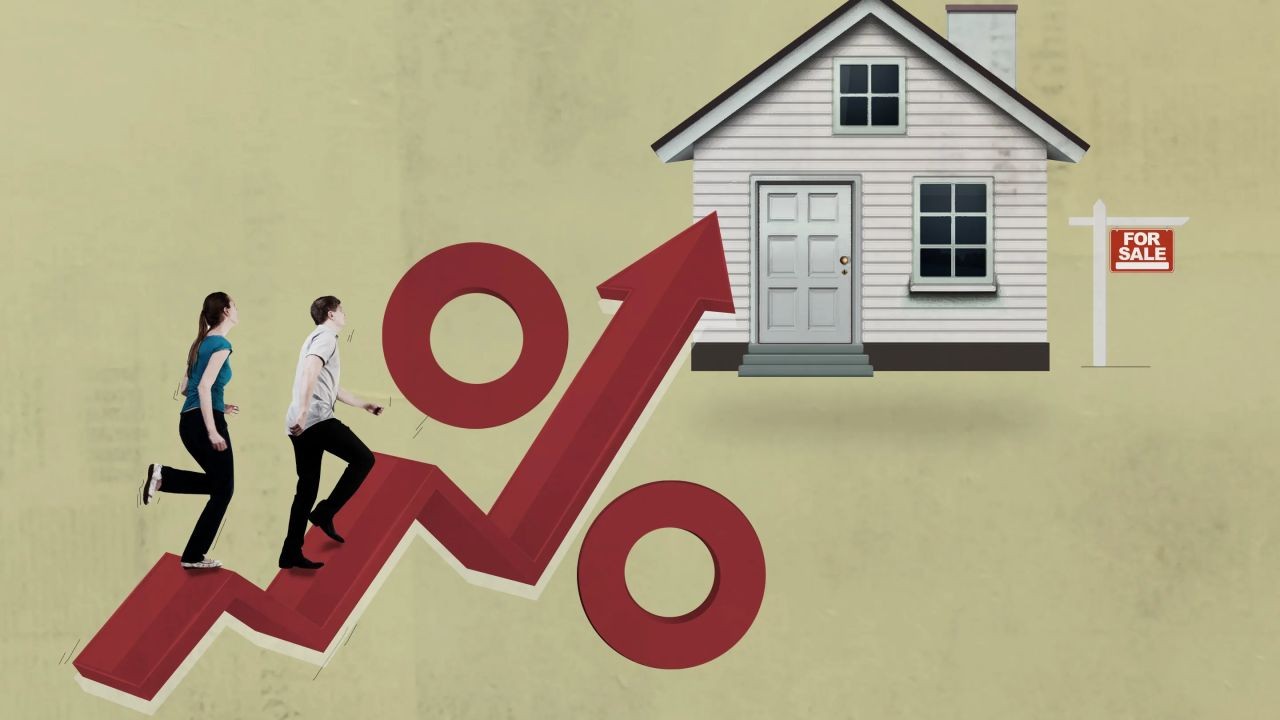
The Reserve Bank of New Zealand (RBNZ) sets the OCR to manage inflation and stabilize the economy. In simple terms, it's the wholesale interest rate that filters down to everything from business loans to your savings account. But its most visceral impact is on mortgage rates. When the RBNZ raises the OCR, as it did aggressively from late 2021 to 2023 to combat post-pandemic inflation, the cost of borrowing skyrockets. Conversely, cuts to the OCR make debt cheaper, fueling spending and investment.
For the travel expert, this is a critical pivot point. A family's discretionary income for an international holiday is directly competing with their rising mortgage repayments. Data from Stats NZ in late 2023 showed that the proportion of disposable income spent on housing costs reached a multi-decade high for many households. This isn't an abstract concept; it translates to fewer Kiwis taking long-haul trips and a heightened demand for domestic "staycations," which reshapes the entire tourism economy. From my consulting with local businesses in New Zealand's tourism hotspots, this shift from international to domestic demand has forced a fundamental rethink in marketing, pricing, and experience design.
Key Actions for the Astute Travel Analyst
- Monitor RBNZ Statements: Don't just read the headline OCR move. Analyze the accompanying Monetary Policy Statement for forward guidance on inflation, employment, and GDP forecasts. This tells you the likely duration and trajectory of the rate cycle.
- Cross-Reference with Housing Data: Pair OCR trends with CoreLogic or REINZ house price index reports. A falling OCR with stagnant prices signals deeper issues (e.g., high household debt, low confidence) that will suppress outbound travel.
- Segment the Market: Recognize that OCR impacts are not uniform. Fixed-rate mortgage holders are insulated until their loan refixes, creating a staggered economic effect. Your travel demand forecasts must account for this lag.
The Long-Term Ripple Effects: Reshaping Cities and Investment
The long-term effects of sustained OCR movements are where the true transformation occurs. A prolonged period of high rates, like the current cycle, does more than cool house prices—it fundamentally alters buyer behavior, development viability, and regional demographics.
Development Stalls and Housing Supply: Construction projects financed at low rates become unviable as financing costs soar. Drawing on my experience in the NZ market, I've seen numerous planned hotel and residential developments in regions like Queenstown and Auckland put on indefinite hold. This constricts future supply, setting the stage for a sharp rebound in prices and accommodation costs when rates eventually fall, creating a volatile cycle that challenges long-term tourism infrastructure planning.
The Inter-Regional Shift: High mortgage rates in major centers like Auckland and Wellington accelerate a pre-existing trend: migration to more affordable regions. Data from the Reserve Bank of New Zealand shows internal migration flows have remained strong into areas like the Bay of Plenty, Nelson/Tasman, and Southland. This isn't just a property story; it's a travel story. It increases demand for regional air connectivity, boosts local hospitality, and disperses tourism spend, which can alleviate pressure on overtouristed hubs but also strain smaller communities.
Case Study: The Queenstown Conundrum – Tourism Hub vs. Livable Town
Problem: Queenstown, NZ's premier adventure tourism destination, faces an existential crisis. Soaring property values, driven initially by low OCR and foreign investment, were exacerbated by a pandemic-driven domestic migration surge. Local workers in hospitality and tourism found themselves completely priced out of the housing market, threatening the very workforce that sustains the town's economy.
Action: The local council and businesses have been forced to innovate under duress. Initiatives include exploring employer-assisted housing, advocating for "build-to-rent" models, and pushing for special zoning to increase density. The viability of these solutions is intensely sensitive to financing costs dictated by the OCR.
Result: While tourist numbers have recovered, the sector is plagued by staffing shortages and reduced service levels. The long-term effect of high OCR is a double-edged sword: it may cool investor demand for second homes, but it also cripples the ability to build affordable housing for workers. The takeaway for travel experts is clear: destination resilience is now inextricably linked to housing affordability, which is a direct function of monetary policy.
Common Myths and Costly Misconceptions
Myth 1: "When the OCR drops, property prices will immediately boom again." Reality: This is a dangerous oversimplification. The market's response is contingent on debt levels, employment, and consumer sentiment. After a sharp tightening cycle, households are often over-leveraged and cautious. The recovery is typically slow and regional. From observing trends across Kiwi businesses, the lag between an OCR cut and a sustained property rebound can be 12-18 months, as confidence slowly returns.
Myth 2: "High OCR only hurts homeowners; renters and travelers are unaffected." Reality: This is profoundly incorrect. As development stalls, rental supply tightens, pushing rents higher—Stats NZ data confirms consistent annual rent increases nationwide. For travelers, this means higher costs for Airbnb and hotel stays, as operational costs (including any debt on the property) are passed on. It also contributes to a cost-of-living crisis that reduces domestic travel propensity.
Myth 3: "Commercial property (like hotels) is immune to OCR changes." Reality: Commercial assets are often more sensitive. Hotel valuations are based on capitalization rates, which move in lockstep with interest rates. A rising OCR can significantly decrease the capital value of a hotel, affecting its sale price, refinancing ability, and budget for renovations—directly impacting the quality of tourist accommodation.
The Investor vs. Traveler Debate: A Clash of Perspectives
This topic naturally cleaves into two opposing viewpoints, each valid from their own vantage point.
✅ The Investor/Property Advocate View: The OCR is a necessary tool to ensure long-term market stability. Periods of high rates purge speculation, create buying opportunities for cash-rich investors, and prevent catastrophic bubbles that ultimately harm everyone. A "correction" is healthy. The focus should be on long-term demographic trends (immigration, household formation) which, for New Zealand, remain fundamentally strong and supportive of property values.
❌ The Traveler/Social Critic View: The weaponization of the OCR to control inflation unfairly punishes first-home buyers, renters, and the tourism workforce. It treats housing primarily as an economic variable rather than a social good. The long-term effect is the gradual erosion of community character in tourism towns, transforming them into sterile investment portfolios or playgrounds for the wealthy, ultimately degrading the authentic experience travelers seek.
⚖️ The Middle Ground: Informed observers recognize that the OCR is a blunt instrument. The long-term solution requires complementary policies: targeted zoning reform to boost supply, alternative financing models for affordable housing, and a broader economic strategy that reduces over-reliance on property investment and interest rate adjustments alone. The future resilience of both the property market and the tourism industry depends on this balanced approach.
Future Trends & Predictions: The Next Five Years in NZ
Based on current RBNZ projections and structural economic factors, we can anticipate several key trends:
- A "Higher for Longer" Normal: The era of near-zero OCR is likely over. The RBNZ has signaled a neutral OCR of around 3-4% in the long run. This will cap the dizzying price growth of the past and make debt servicing a permanent, significant factor in household budgets.
- The Rise of the "Rentvestor": More Kiwis, particularly younger professionals, will be forced to rent in their preferred city (often a tourism hub for work) while investing in a more affordable property elsewhere. This will further professionalize the rental market but also create a class of absentee landlords in regional towns.
- Policy-Driven Inflection Points: Watch for changes to debt-to-income ratio (DTI) restrictions or bright-line test rules. The government or RBNZ may adjust these to either stimulate or cool the market in tandem with OCR moves, creating more nuanced policy tools.
In practice, with NZ-based teams I’ve advised, the focus is shifting from pure capital gain to cash flow and yield, a sign of a maturing market under a new interest rate paradigm.
Final Takeaways & Call to Action
For the travel expert, understanding the OCR is no longer optional economics—it's essential destination intelligence. It dictates your client's budget, shapes the communities they visit, and determines the health of the industry you promote.
Your Next Steps:
- Build an Economic Dashboard: Bookmark the RBNZ, Stats NZ, and CoreLogic websites. Make a monthly ritual of checking key indicators.
- Factor Affordability into Itineraries: When rates are high, promote destinations with a range of accommodation, strong public transport, and free experiences. Shift the value proposition from luxury to authenticity.
- Engage in the Conversation: Advocate for sustainable tourism models that include housing for workers. The industry's future depends on being part of the policy solution.
The long-term narrative of New Zealand's property market is being written now by the OCR. By reading between the lines of each rate decision, you gain not just financial acumen, but a deeper, more critical understanding of the living, breathing destination of Aotearoa. What's your read on the next chapter? Share your insights on how you see monetary policy shaping the future of travel.
People Also Ask (PAA)
How does the OCR directly affect tourism businesses in New Zealand? It affects them through dual channels: higher loan costs for expansion/renovation, and reduced disposable income for potential domestic customers. This squeezes profitability and forces a focus on operational efficiency and high-value international tourists.
What is the biggest mistake people make when predicting property market trends? They focus solely on the OCR direction and ignore household debt levels, employment data, and net migration figures. A rate cut into a recessionary environment with high debt will not spark a boom.
When is the best time to buy property in relation to the OCR cycle? There's no perfect time. Historically, the late stages of a tightening cycle (when sentiment is worst) have presented opportunities for those with secure financing. However, this requires significant risk tolerance and a long-term horizon of 10+ years.
Related Search Queries
- OCR forecast New Zealand 2025
- New Zealand house prices vs interest rates history
- How do rising rates affect Airbnb demand?
- Best NZ regions to invest in property during high OCR
- RBNZ monetary policy statement explained
- New Zealand tourism economy outlook
- Impact of migration on NZ housing market
- Fixed vs floating mortgage rates NZ
For the full context and strategies on The Long-Term Effects of OCR Changes on Property Markets, see our main guide: Real Estate Video Campaigns Boost Listings Nz.