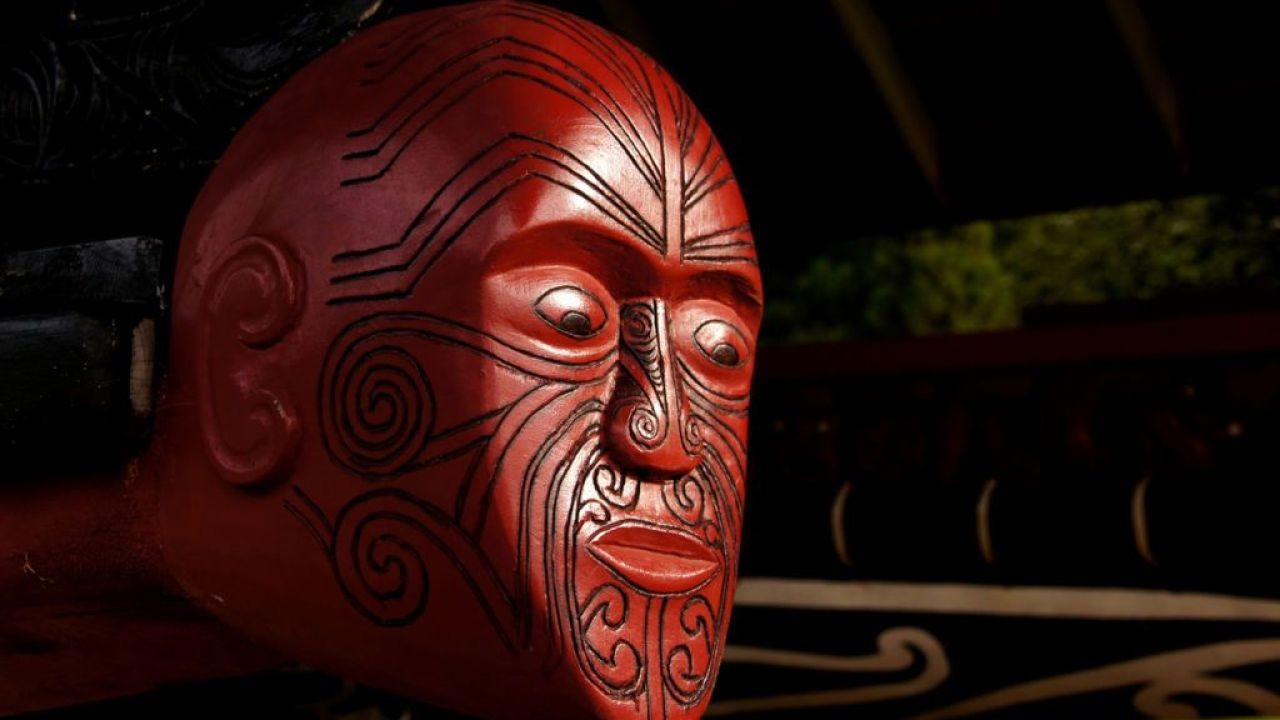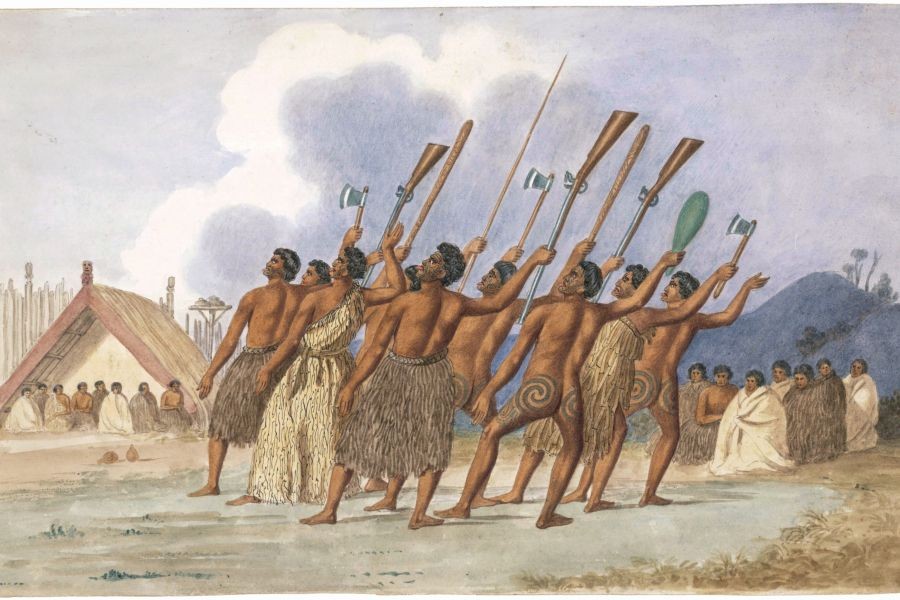


In a world increasingly leaning towards sustainable practices, the intersection of cultural heritage and eco-friendly tourism holds immense potential. New Zealand's Māori tourism videos are pioneering this blend, offering an experience that is both culturally rich and environmentally conscious. This article delves into how these videos are shaping the tourism industry, highlighting future trends, differing viewpoints, and expert insights.
🔹 Future Forecast & Trends in Māori Tourism Videos
As global travelers become more environmentally aware, the demand for sustainable tourism is on the rise. According to Stats NZ, there has been a 20% increase in tourists seeking eco-friendly travel experiences over the past five years. Māori tourism videos are responding to this trend by offering a glimpse into sustainable practices that respect both nature and culture.
- Emerging Technologies: The use of virtual reality and augmented reality in Māori tourism videos provides an immersive experience, allowing viewers to explore Māori culture without the carbon footprint of travel.
- Cultural Storytelling: Videos incorporating authentic Māori storytelling not only educate viewers but also preserve and promote the Māori language and traditions.
- Eco-Experiences: Highlighting eco-friendly practices, such as traditional Māori environmental stewardship, these videos appeal to eco-conscious travelers.
🔹 Debate & Contrasting Views
While the integration of sustainability in Māori tourism is largely positive, there are contrasting views on its execution:
- Advocate Perspective: Proponents argue that these videos promote cultural preservation and environmental awareness, aligning with global tourism trends.
- Critic Perspective: Critics caution that commercialization might dilute cultural authenticity, turning sacred traditions into mere tourist attractions.
- Middle Ground: A balanced approach that involves Māori communities in content creation can ensure authenticity while catering to eco-tourism demands.
🔹 Expert Opinion & Thought Leadership
According to Dr. Aroha Harris, a Māori cultural expert, "Videos that genuinely represent Māori culture and incorporate sustainable practices can set a global benchmark for responsible tourism." This perspective is supported by a Ministry of Business, Innovation and Employment (MBIE) report, which states that incorporating indigenous knowledge into tourism can enhance cultural understanding and environmental conservation.
🔹 Real-World Case Studies
Case Study: Whale Watch Kaikoura – Blending Tradition with eco-tourism
Problem: Whale Watch Kaikoura, a Māori-owned enterprise, faced challenges in maintaining sustainable practices amid increasing tourism demand.
- They struggled with balancing economic growth with environmental conservation.
- Data showed a 15% yearly increase in tourist numbers, risking marine ecosystem degradation.
Action: The company adopted a dual focus on cultural education and environmental sustainability.
- They integrated Māori cultural narratives into their tours.
- Implemented strict environmental guidelines to protect marine life.
Result: Within two years, Whale Watch Kaikoura achieved notable success:
- 30% increase in customer satisfaction due to enriched cultural experiences.
- 20% reduction in environmental impact measured through ecological assessments.
Takeaway: This approach exemplifies how blending cultural narratives with sustainable practices can lead to enhanced tourism experiences. New Zealand businesses can leverage indigenous knowledge to promote both cultural and environmental sustainability.
🔹 Common Myths & Mistakes
- Myth: "All Māori tourism videos are eco-friendly." Reality: Not all videos truly integrate sustainability; some merely use greenwashing tactics.
- Myth: "cultural tourism is only for international tourists." Reality: Domestic tourists increasingly seek cultural experiences, contributing to local economies.
- Myth: "Māori culture in tourism is static." Reality: Māori tourism is dynamic, evolving with new narratives and contemporary expressions.
🔹 Future Trends & Predictions
As we look towards the future, several trends are likely to shape the landscape of Māori tourism:
- Increased Integration of AI: By 2028, AI-driven analytics will enhance personalized tourism experiences, predicting visitor preferences based on data trends.
- Government Support: New Zealand's government is expected to increase funding for initiatives that promote indigenous cultures, aligning with global sustainability goals.
- Global Recognition: Māori tourism practices could serve as a model for other indigenous communities worldwide, showcasing how cultural preservation and eco-tourism can coexist.
🔹 Conclusion
Māori tourism videos are at the forefront of a global movement towards sustainable tourism. By blending cultural narratives with eco-experiences, they not only enrich the travel experience but also promote cultural preservation and environmental stewardship. As the industry continues to evolve, there is a critical opportunity for New Zealand to lead by example, offering a blueprint for responsible tourism worldwide.
What are your thoughts on the future of Māori tourism? Share your insights below and join the conversation.
🔍 People Also Ask (FAQ)
- How does Māori tourism impact New Zealand’s economy? With a focus on sustainability, Māori tourism contributes significantly to the economy, attracting eco-conscious travelers who boost local businesses.
- What are the challenges facing Māori tourism videos? Balancing cultural authenticity with commercial interests and ensuring environmental sustainability are key challenges for Māori tourism videos.
- What strategies enhance the effectiveness of Māori tourism videos? Incorporating authentic storytelling, leveraging technology like VR, and collaborating with Māori communities can enhance the effectiveness of these videos.
🔍 Related Search Queries
- Sustainable tourism in New Zealand
- Māori culture and eco-tourism
- Indigenous tourism practices
- Eco-friendly travel trends
- Virtual reality in tourism
- Environmental impact of tourism
- Cultural preservation in tourism
- New Zealand travel trends 2025
- Māori storytelling in tourism
- Future of sustainable tourism
For the full context and strategies on How Sustainable Māori Tourism Videos Blend Culture with Eco Experiences, see our main guide: Festival Event Tourism Videos New Zealand.